If your ideal Chicago routine starts with coffee in hand and ends without a car commute, West Loop deserves a close look. For many buyers, the appeal is simple: live near work, keep daily logistics easy, and enjoy one of the city’s most active mixed-use neighborhoods right outside your door. If you are weighing whether this lifestyle fits your priorities, this guide will help you understand how West Loop works day to day. Let’s dive in.
Why West Loop Fits Walk-To-Work Living
West Loop sits just west of downtown Chicago and has built its identity around a strong mix of residential, office, dining, and hospitality uses. The neighborhood grew out of former industrial, wholesale, and meatpacking areas that were later repurposed into the mixed-use district you see today.
That evolution matters if you want a walk-to-work lifestyle. Instead of separating where you live, commute, and spend your time, West Loop brings many of those pieces closer together. You can often move through your day on foot, with transit as a useful backup rather than a daily necessity.
Transit Makes Daily Life Easier
A big reason West Loop works so well for car-light living is its transit access. CTA Morgan serves the Green and Pink Lines, while UIC-Halsted serves the Blue Line. Loop Link also connects West Loop transportation hubs to Michigan Avenue through dedicated bus lanes on Washington, Madison, Clinton, and Canal.
For regional commuters, West Loop also benefits from nearby downtown rail access. CTA lists Union Station and Ogilvie Transportation Center among the downtown Metra terminals, and Metra notes that Ogilvie is accessed through Accenture Tower at 500 W Madison and serves the Union Pacific West, Northwest, and North lines.
In practical terms, that gives you options. If your office is in West Loop, you may be able to walk the entire trip. If your destination is a little farther away, CTA, Loop Link, and nearby commuter rail help extend the reach of a walk-first lifestyle.
What a Typical Day Can Look Like
One of the most appealing parts of West Loop is how naturally the neighborhood supports a simple weekday rhythm. You can start the morning at a neighborhood coffee spot, head to the office without getting in a car, and return home with dinner, drinks, or a park visit still within easy reach.
Choose Chicago describes Beatrix in Fulton Market as a coffeehouse, restaurant, and meeting place, which gives a good sense of the area’s all-day convenience. This is the kind of neighborhood where your morning stop, workday commute, and evening plans can all happen within a compact area.
That convenience is often what buyers are really after. It is not only about shaving time off the commute. It is also about creating a more flexible, less fragmented routine.
West Loop Housing Has Real Character
If you are considering a move here, the housing stock is part of the draw. The Chicago Architecture Center describes West Loop as a place shaped by industrial spaces and wholesale food markets that evolved into modern high-rises, new residential and office buildings, and many adaptive-reuse projects.
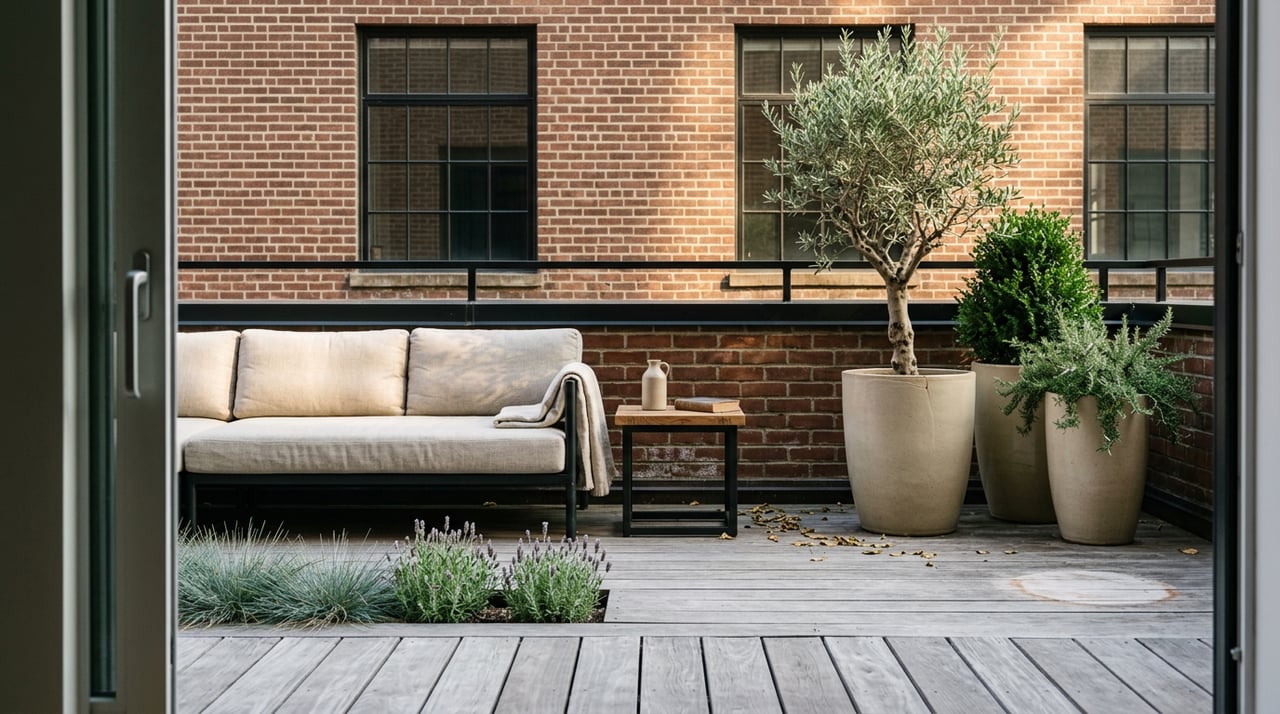
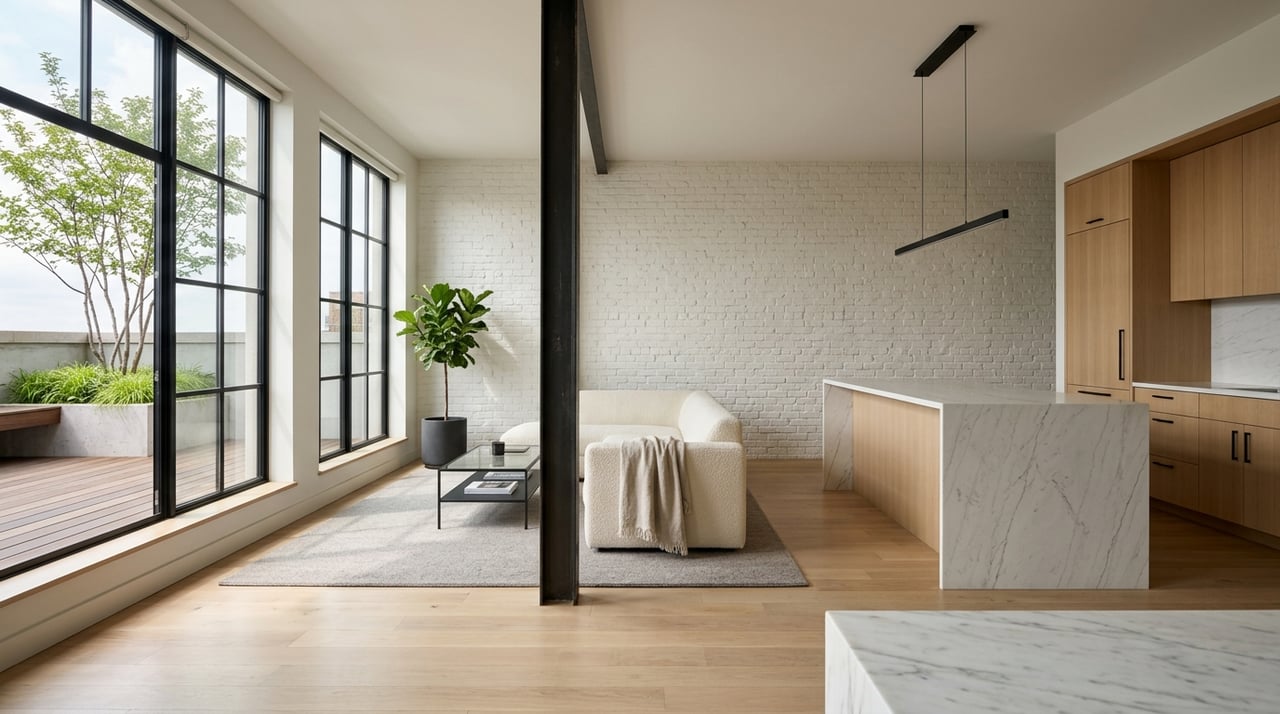
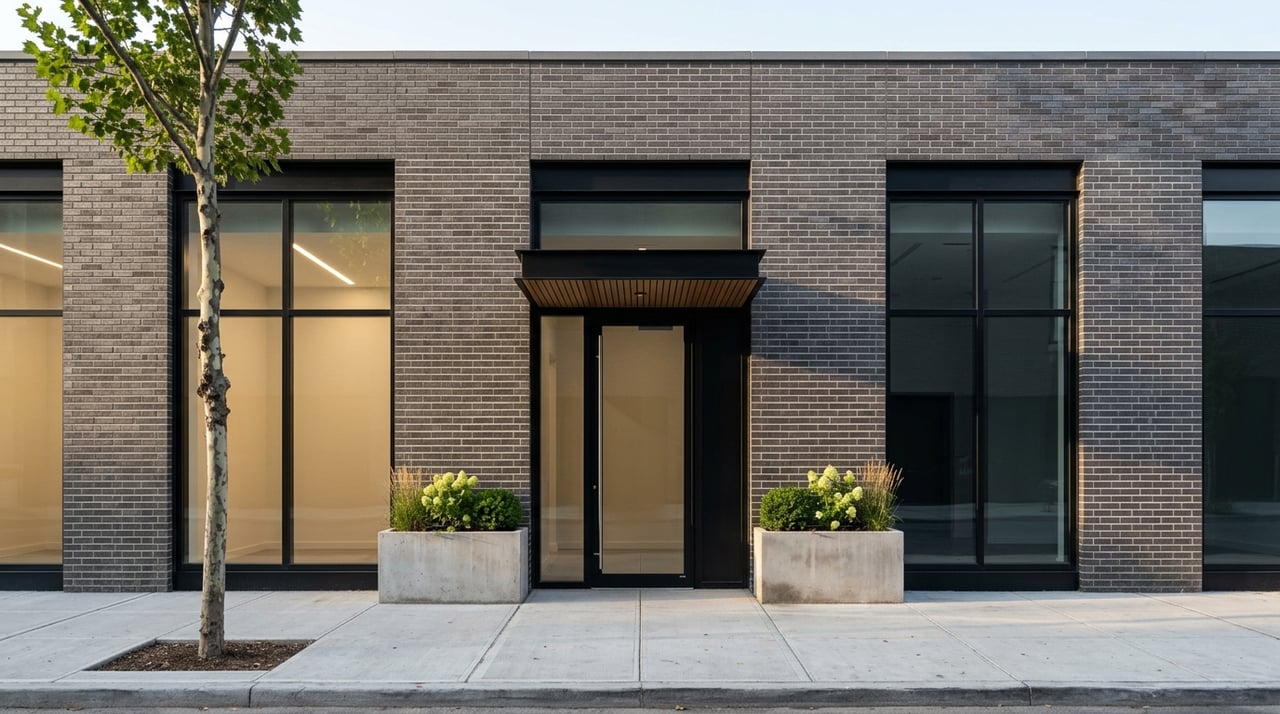
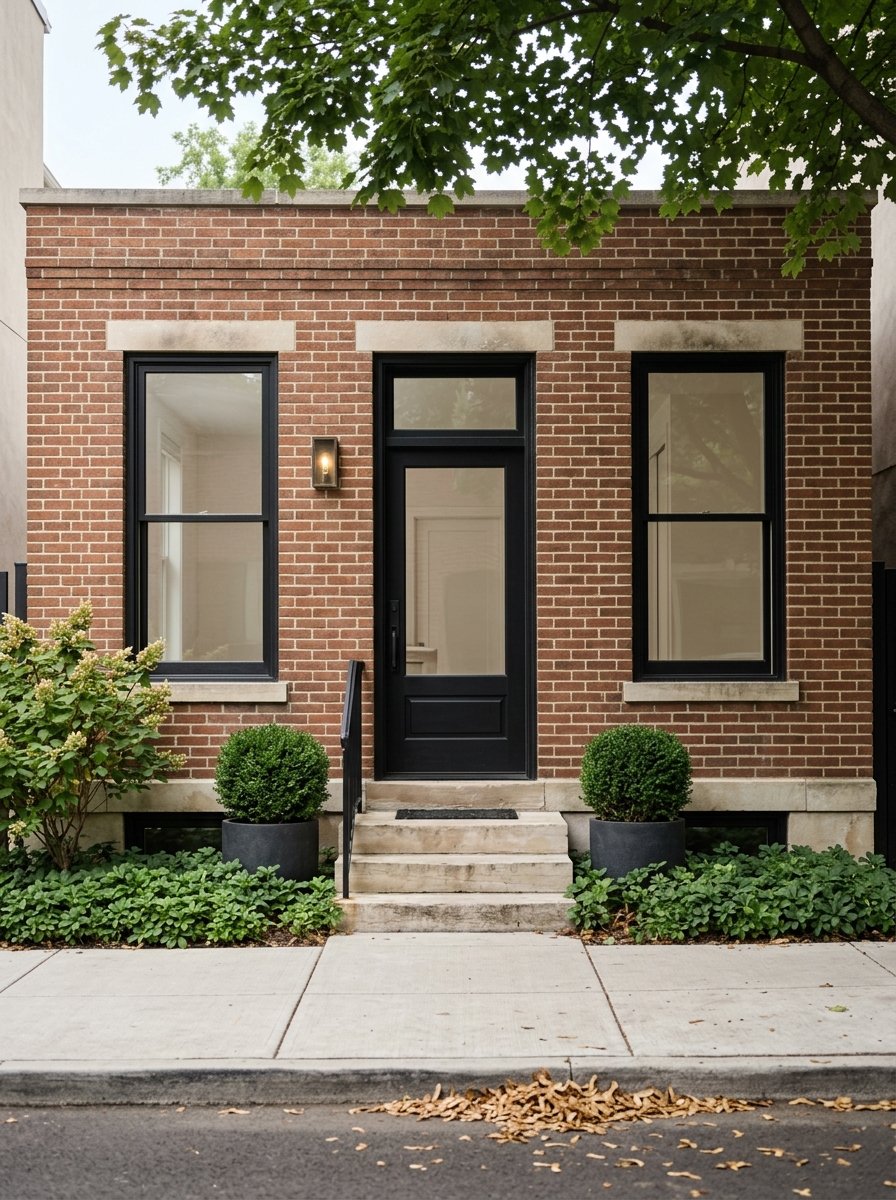
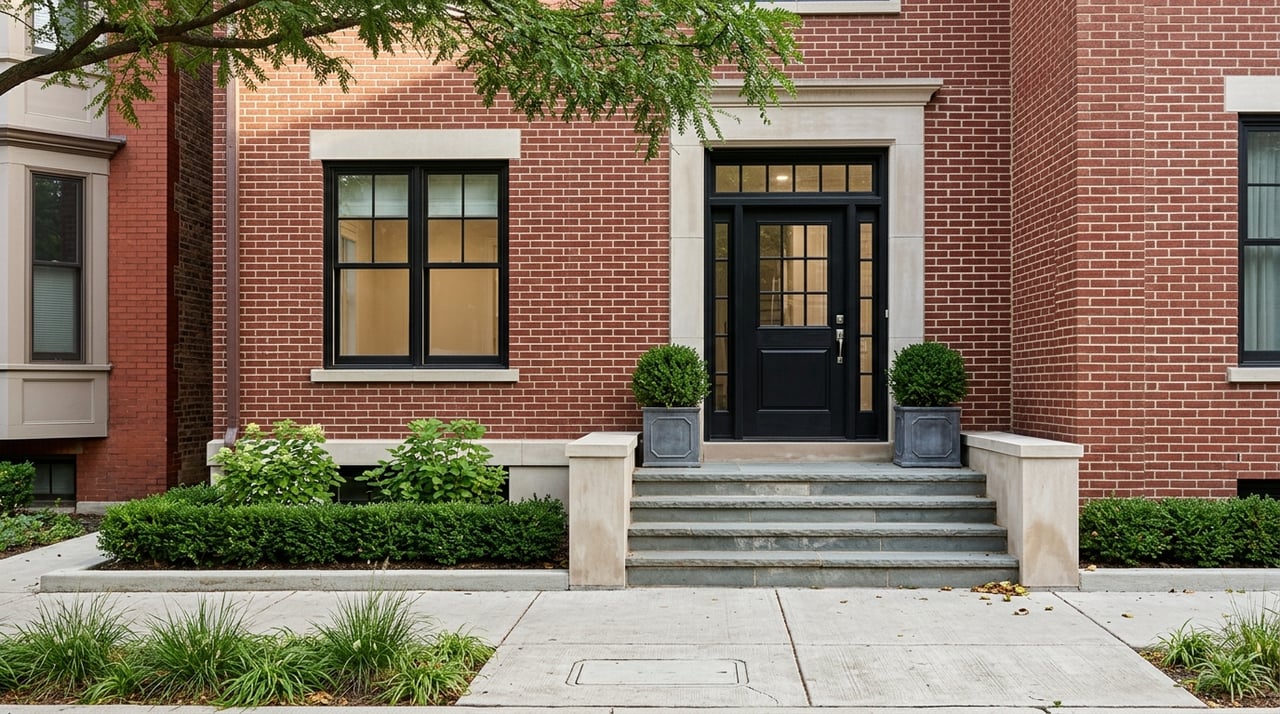
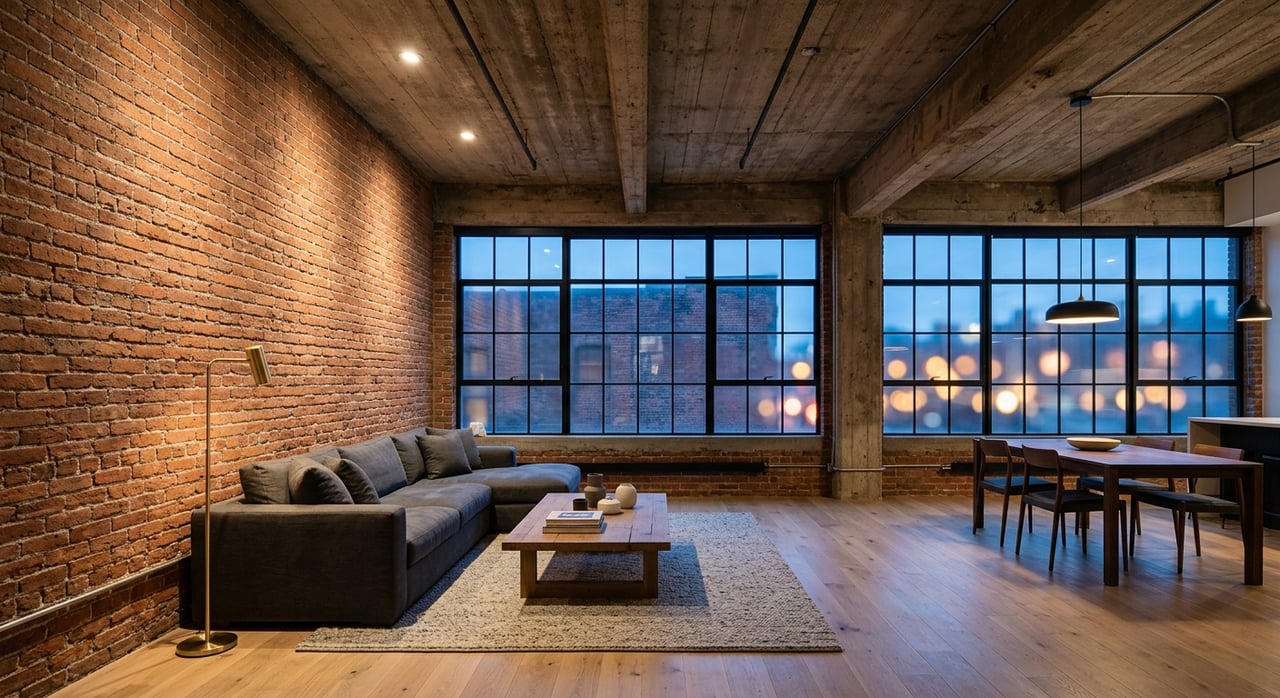
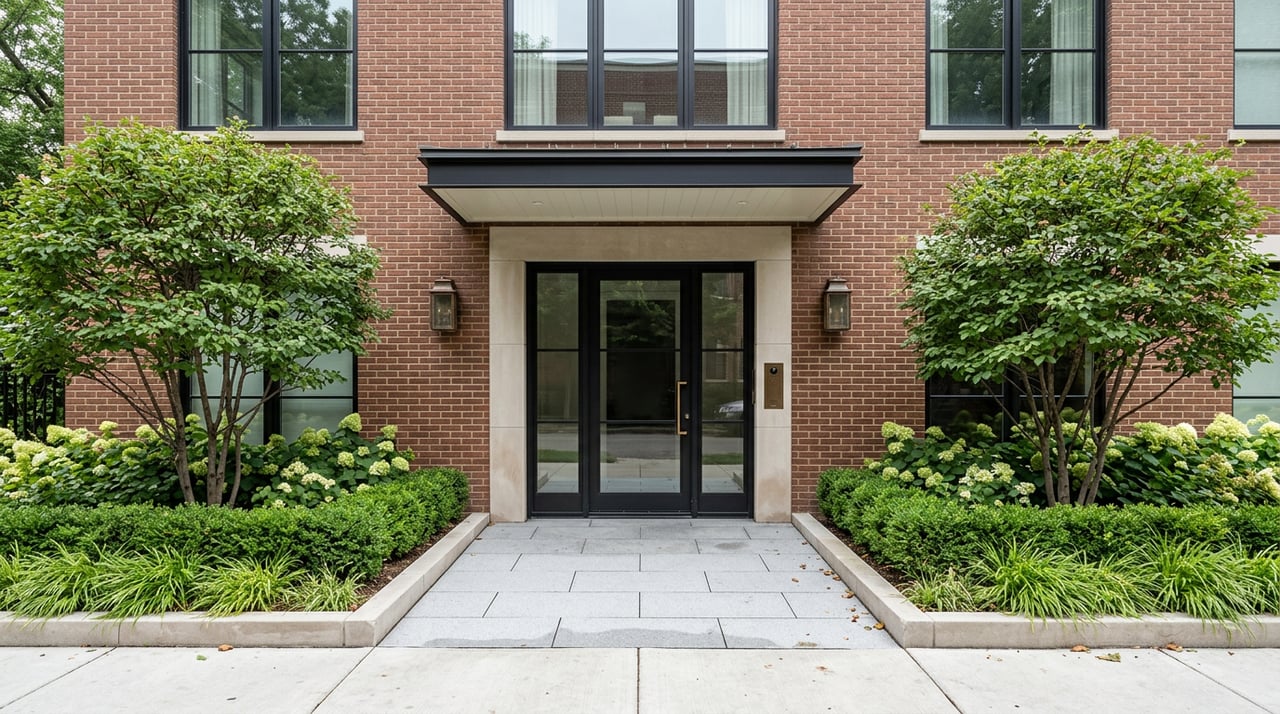
For you as a buyer, that usually means more variety than in a neighborhood with one dominant building type. West Loop is known for a mix that can include loft conversions, converted warehouse buildings, brick mid-rises, and newer condo towers.
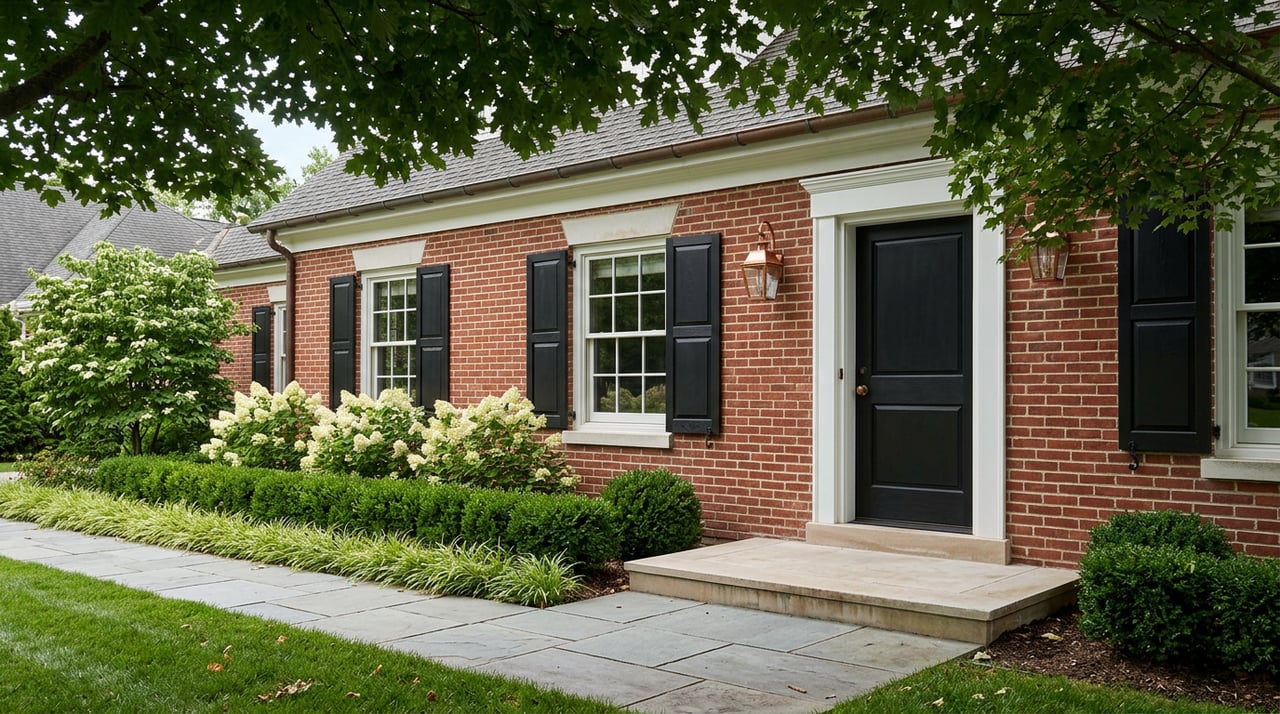
This architectural mix gives the neighborhood much of its visual identity. You will find homes with industrial details, historic brick exteriors, and more contemporary interiors, along with newer buildings that emphasize modern finishes and amenity-driven living.
The Historic Layer Still Shapes the Area
West Loop is not just new development. It also has a strong preservation story that gives the neighborhood depth and texture.
A major example is the Fulton-Randolph Market Landmark District. The City of Chicago says the district was designated in 2015 to preserve and revitalize the area’s oldest and last remaining public market, and that it spans 74 acres, 142 properties, and 86 contributing buildings.
That historic framework helps explain why West Loop feels different from many newer urban districts. Even as residential and office development has expanded, parts of the neighborhood still reflect the scale and structure of its market and warehouse past.
A useful example is 300 West Adams Street. Chicago’s landmark description says the building reflects the outward expansion of the office district into former warehouse areas along the Chicago River, reinforcing the neighborhood’s blend of industrial roots and modern use.
Dining and Energy Are Part of the Lifestyle
West Loop is widely recognized as one of Chicago’s most active dining destinations. Choose Chicago highlights Randolph Street’s Restaurant Row, Fulton Market’s bars and restaurants in former warehouse spaces, and Greektown as a lively dining enclave within the neighborhood.
For many buyers, this is a major advantage. When you live in West Loop, after-work plans can be easy and spontaneous. Dinner, coffee, and social options are woven into the neighborhood rather than requiring a separate trip.
The tradeoff is just as important to understand. The areas with the strongest concentration of restaurants and nightlife also tend to have more foot traffic and evening activity, especially near Randolph Street and Fulton Market.
If your goal is to be in the center of the action, that energy may feel like a benefit. If you prefer a quieter home environment, it is worth thinking carefully about where in West Loop you want to be and how close you want to live to the busiest corridors.
Parks Add Balance to Urban Living
Even in a dense, active neighborhood, green space still plays an important role. In West Loop, parks help balance the pace of daily life and give residents easy ways to get outside.
Mary Bartelme Park is a 2.71-acre Chicago Park District park with an open lawn, children’s play area, and sunken dog park. Union Park is larger at 13.77 acres and includes a gymnasium, fitness center, locker rooms, tennis courts, fields, and a swimming pool.
For buyers who want walkability without giving up access to outdoor space, these parks are meaningful assets. They can serve as a morning reset, an after-work break, or a weekend routine close to home.
Is Car-Light Living Realistic Here?
For many residents, yes. West Loop’s mix of walkability, CTA access, Loop Link, and proximity to downtown rail terminals makes it plausible to live with less dependence on a car, especially if you work nearby.
That does not mean every daily need will happen on foot for every household. But if your priorities include shorter commutes, more neighborhood convenience, and easier access to transit, West Loop supports that lifestyle better than many areas.
This is especially relevant for buyers who split time between city and suburban living or want an in-town home that simplifies the workweek. In that sense, West Loop can be a strong fit for professionals seeking efficiency without giving up design, dining, or neighborhood character.
What Buyers Should Think About First
Before choosing a home in West Loop, focus on how you want your days to function. The right fit often comes down to your preferred balance of commute ease, building style, and street activity.
A few questions can help clarify your search:
- Do you want to walk to a West Loop office, or do you need quick CTA or Metra access?
- Are you drawn to loft-style character, or do you prefer a newer condo tower?
- Do you want to be near Randolph Street or Fulton Market, or would you rather be a little farther from the busiest restaurant zones?
- How important is park access for your daily routine?
When you answer those questions early, your home search becomes more focused. In a neighborhood with real variety, that clarity can make a big difference.
Why West Loop Appeals to Many Luxury Buyers
For buyers considering a high-end downtown condominium, West Loop offers a distinct combination of convenience and character. You get proximity to the downtown core, a strong transit network, and a housing mix that includes both adaptive-reuse buildings and newer residential towers.
That combination is part of what makes the neighborhood so compelling. It can support a polished, efficient city lifestyle while still feeling rooted in Chicago’s architectural and commercial history.
If you want a home that helps your week run more smoothly, West Loop is worth serious consideration. The neighborhood offers a practical path to walk-to-work living, along with the dining, transit, and building variety that make urban life feel rewarding rather than complicated.
If you are considering a move to West Loop or looking for a premium downtown condominium that matches your routine and priorities, Jody Dickstein can help you evaluate the right fit with the personalized, high-touch guidance The Dickstein Group is known for.
FAQs
Is West Loop a good neighborhood for walk-to-work living in Chicago?
- Yes. West Loop’s location just west of downtown, along with access to CTA lines, Loop Link, and nearby Metra terminals, makes it one of Chicago’s more practical neighborhoods for walk-to-work or walk-plus-transit living.
What types of homes are common in West Loop Chicago?
- West Loop is known for a mix of loft conversions, converted warehouse buildings, brick mid-rises, newer condo towers, and other adaptive-reuse or modern residential buildings.
Where are the busiest parts of West Loop for dining and nightlife?
- Randolph Street and Fulton Market are the neighborhood’s main hubs for restaurants, bars, and evening activity, according to Choose Chicago.
Are there parks in West Loop Chicago?
- Yes. Mary Bartelme Park and Union Park provide green space and recreation options within the neighborhood, helping balance West Loop’s dense urban setting.
Can you live without a car in West Loop Chicago?
- For many residents, yes. The neighborhood’s walkability and transit access make car-light living realistic, especially if you work in West Loop or nearby downtown areas.