If you want city living without giving up green space, Lincoln Park has a strong case to make. For many upscale buyers, the challenge is finding a neighborhood that feels polished and practical at the same time, with everyday convenience, outdoor access, and housing that fits a long-term lifestyle. Lincoln Park stands out because it brings those pieces together in a way few Chicago neighborhoods can. Let’s dive in.
Why Lincoln Park Feels Different
Lincoln Park is shaped by one of Chicago’s biggest everyday advantages: access to the park itself. The Chicago Park District describes Lincoln Park as roughly 1,200 acres along the lakefront, and that scale changes how the neighborhood lives day to day.
Instead of feeling like a dense urban pocket with scattered green space, Lincoln Park feels organized around a major public landscape. The zoo, conservatory, beaches, Lakefront Trail, nature areas, and playgrounds are not special-occasion destinations here. They are part of the regular rhythm of the neighborhood.
That park-centered identity also gives Lincoln Park a different tone from some nearby areas. It feels established, walkable, and active, with a blend of residential blocks, institutions, and commercial corridors that reflect its long history within Chicago.
Lincoln Park Lifestyle for Families
For families who want an urban address, Lincoln Park offers something especially appealing: you can build routines around both convenience and outdoor access. School drop-offs, playground time, weekend bike rides, casual dinners, and trips to the lakefront can all happen within the same neighborhood.
The Chicago Park District highlights a long list of family-friendly assets within Lincoln Park, including the zoo, conservatory, Theatre on the Lake, North Pond Nature Sanctuary, North Avenue Beach, the Alfred Caldwell Lily Pool, and five playgrounds. That means your options extend well beyond one park or one play space.
In practical terms, this can make family life feel easier. You have room for morning walks, after-school outings, jogging routes, beach days, and car-free biking without needing to plan around a long drive.
Housing Options in Lincoln Park
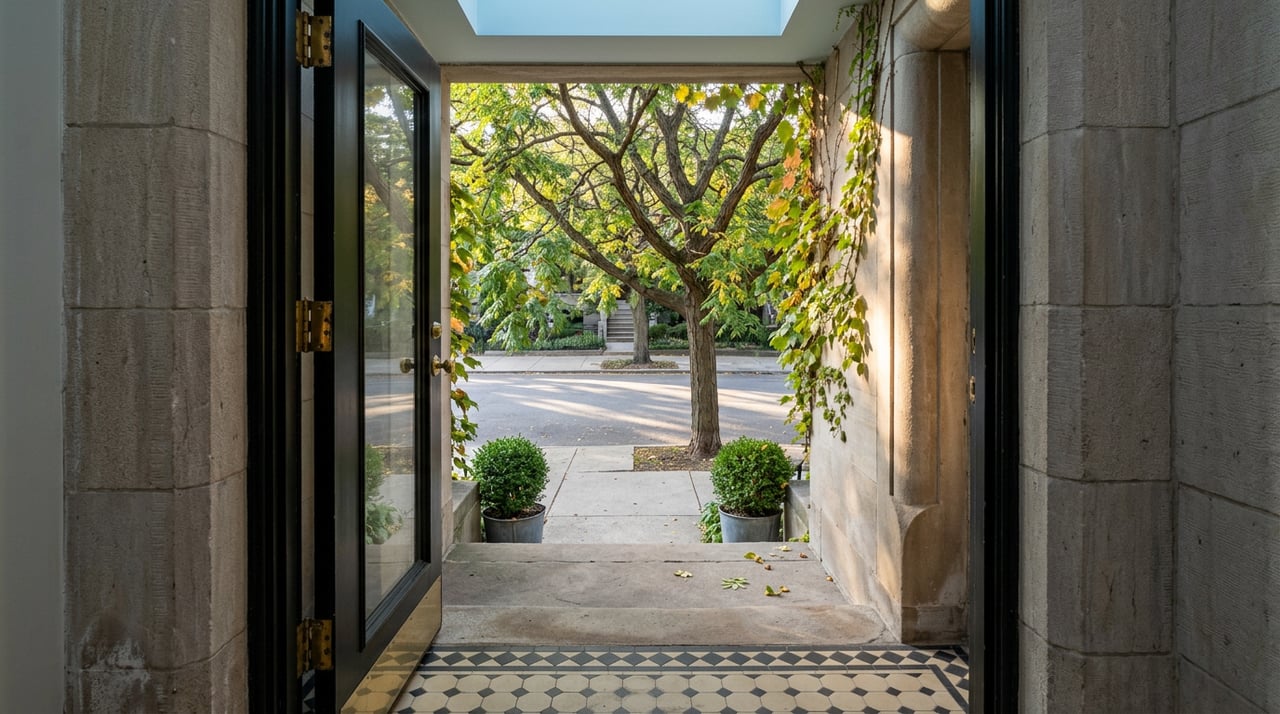
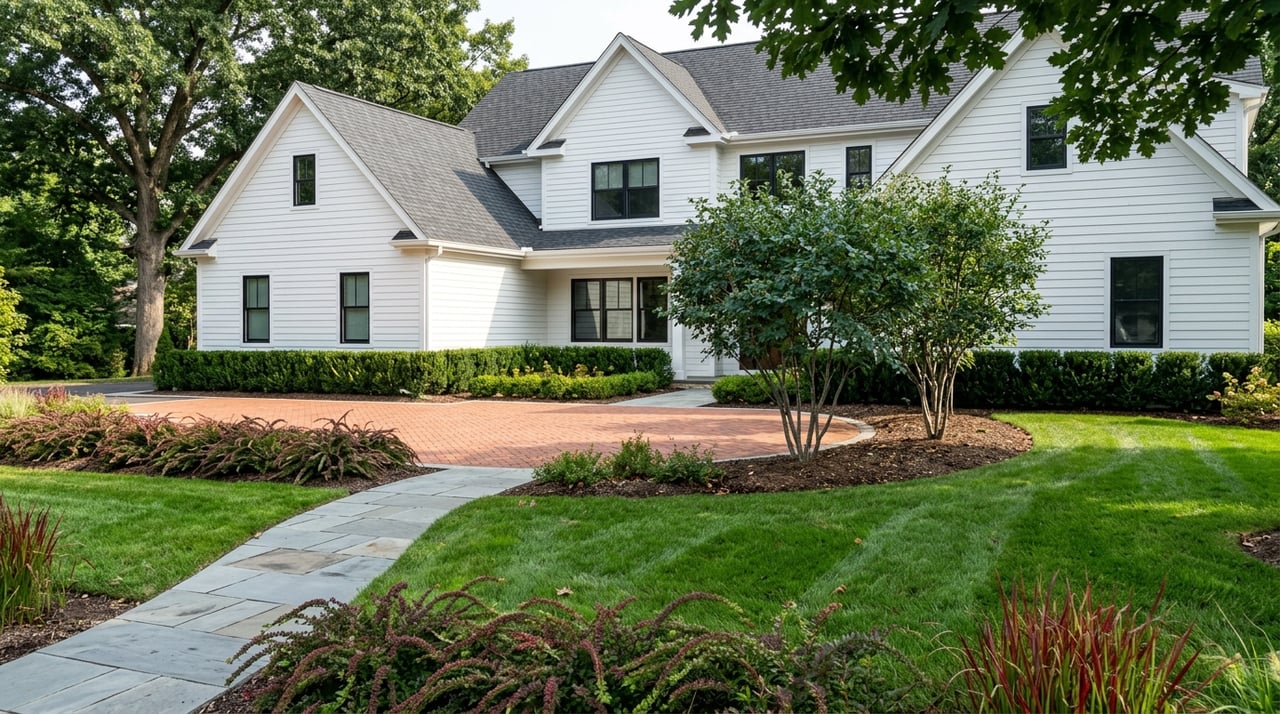
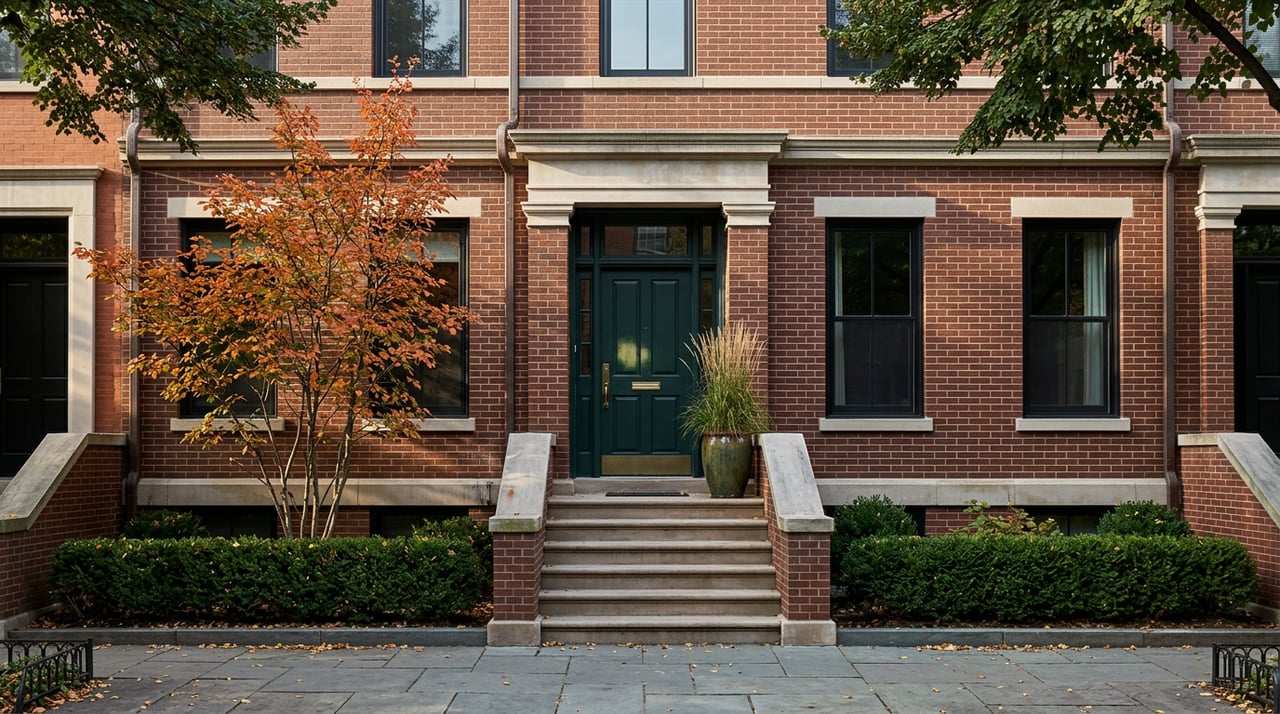
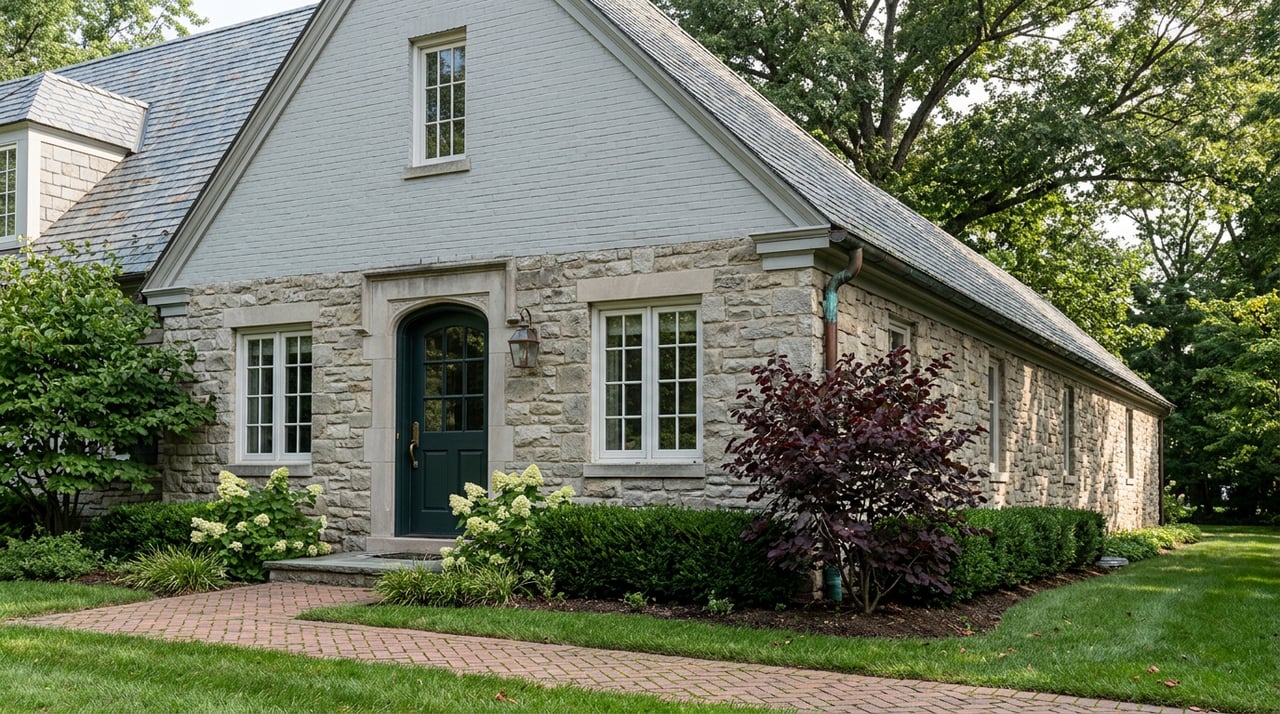
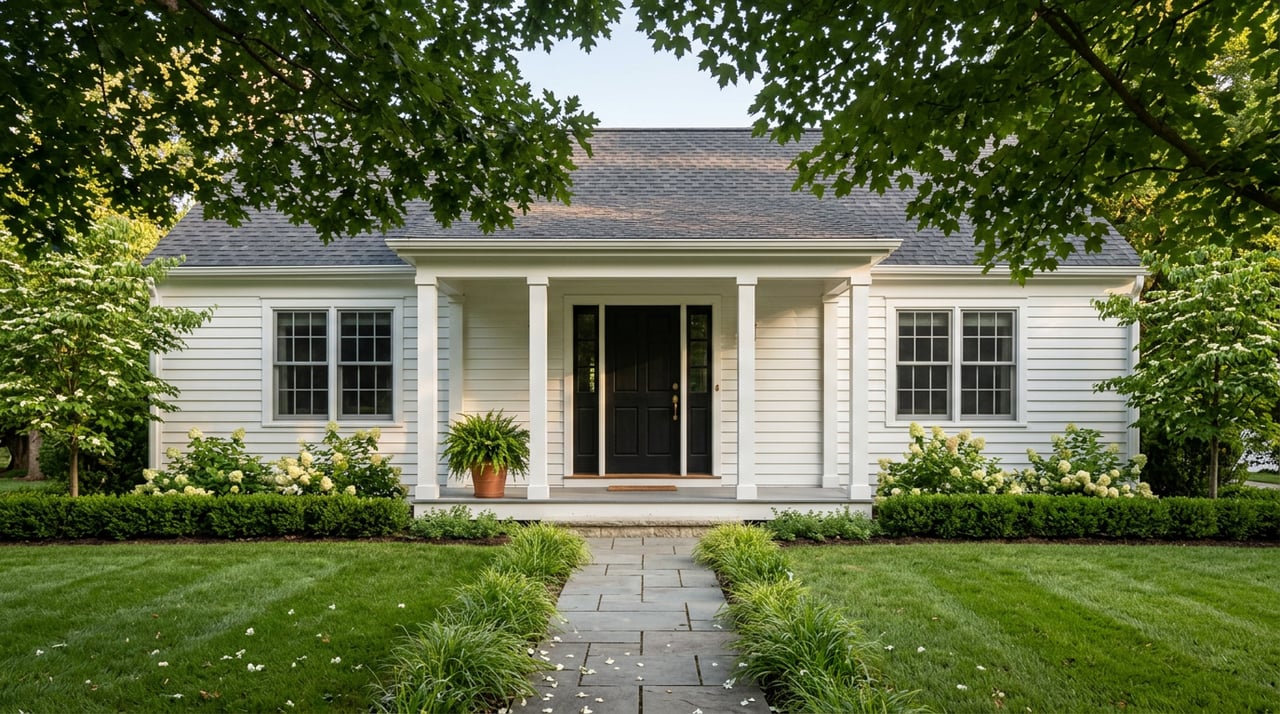
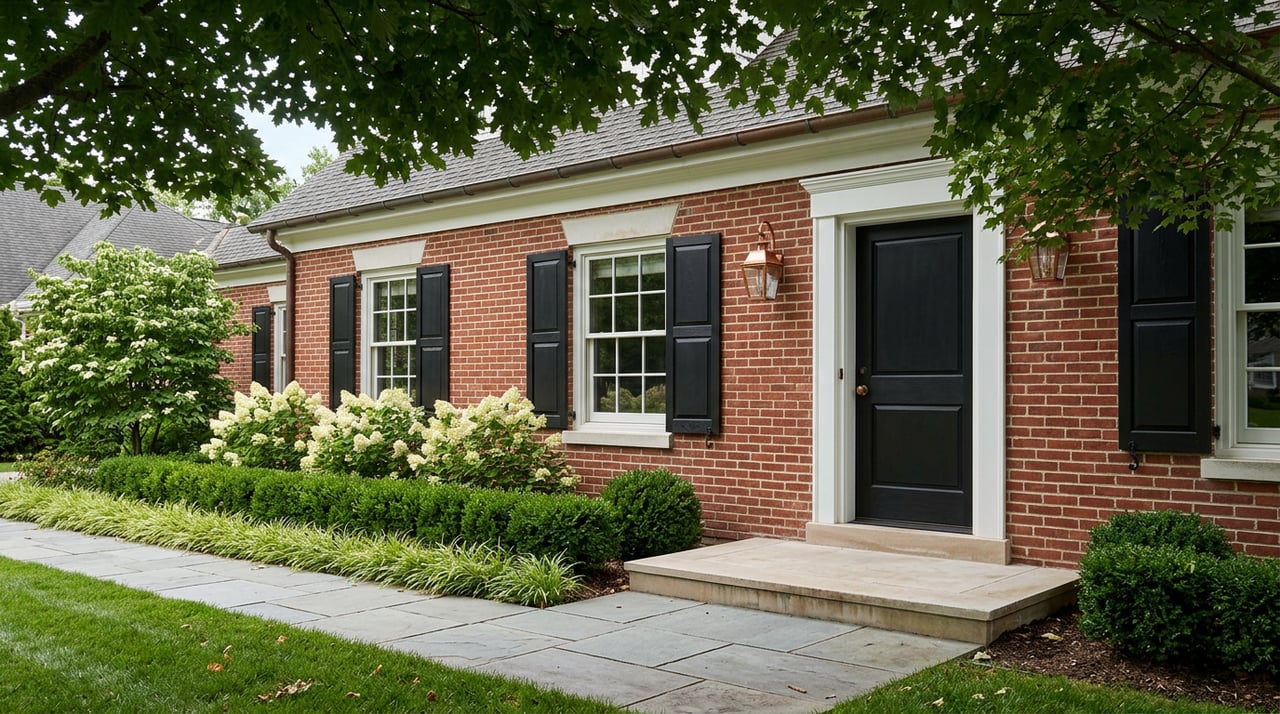
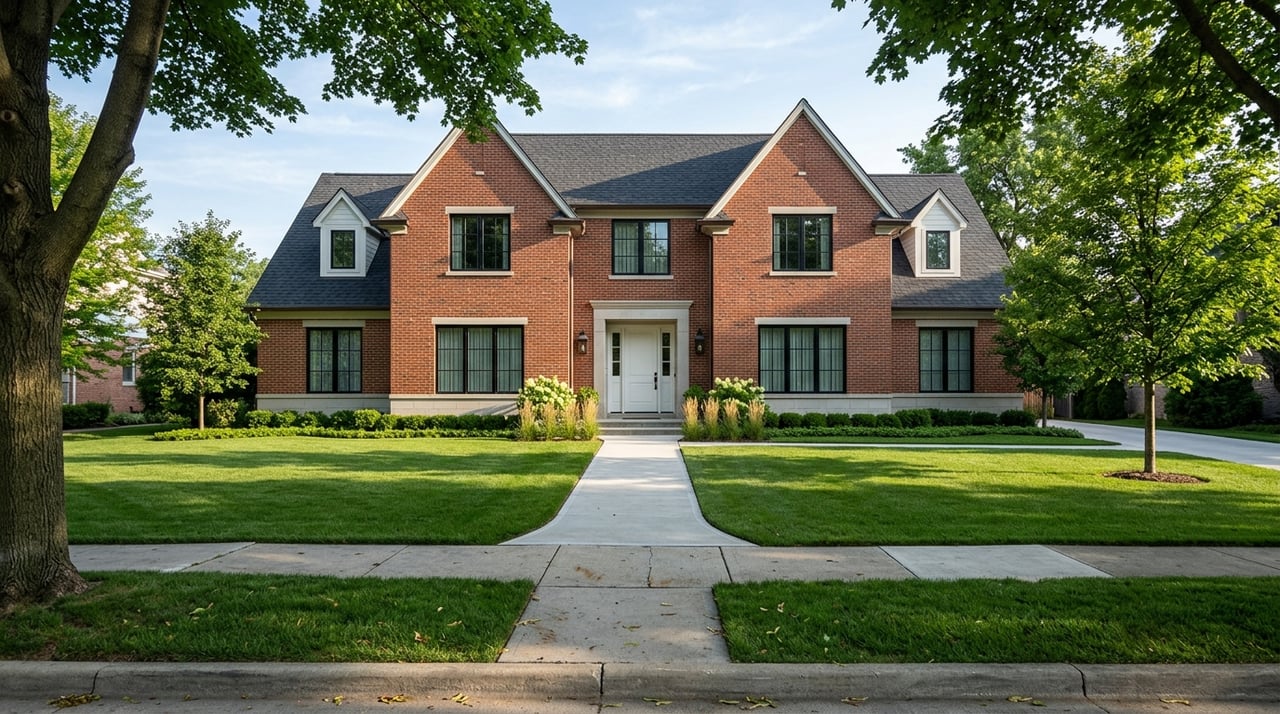
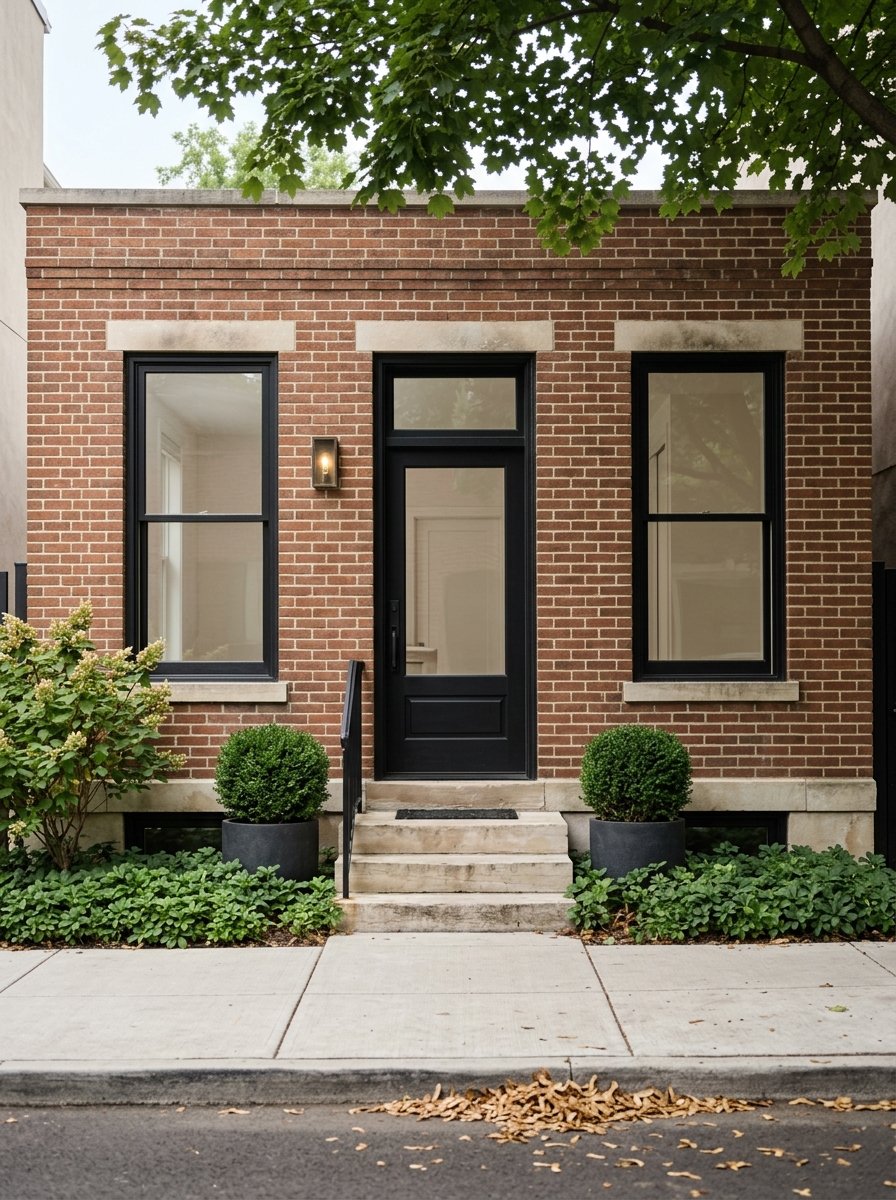
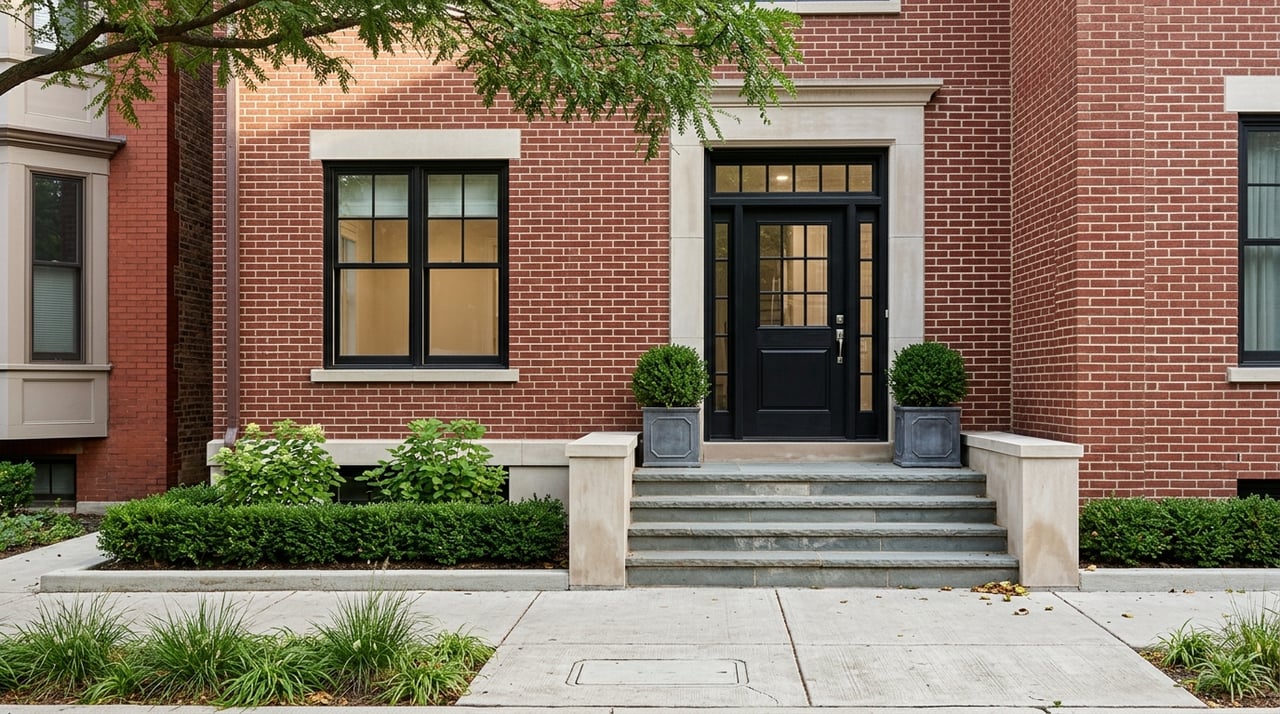
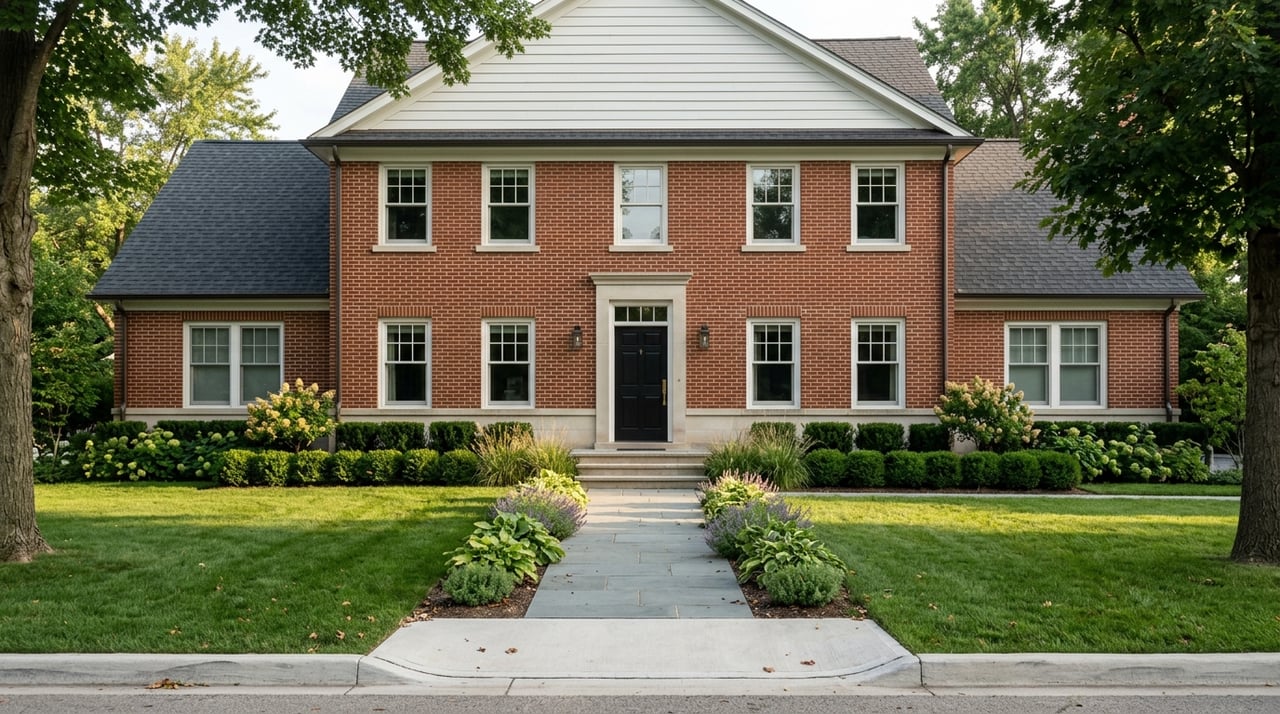
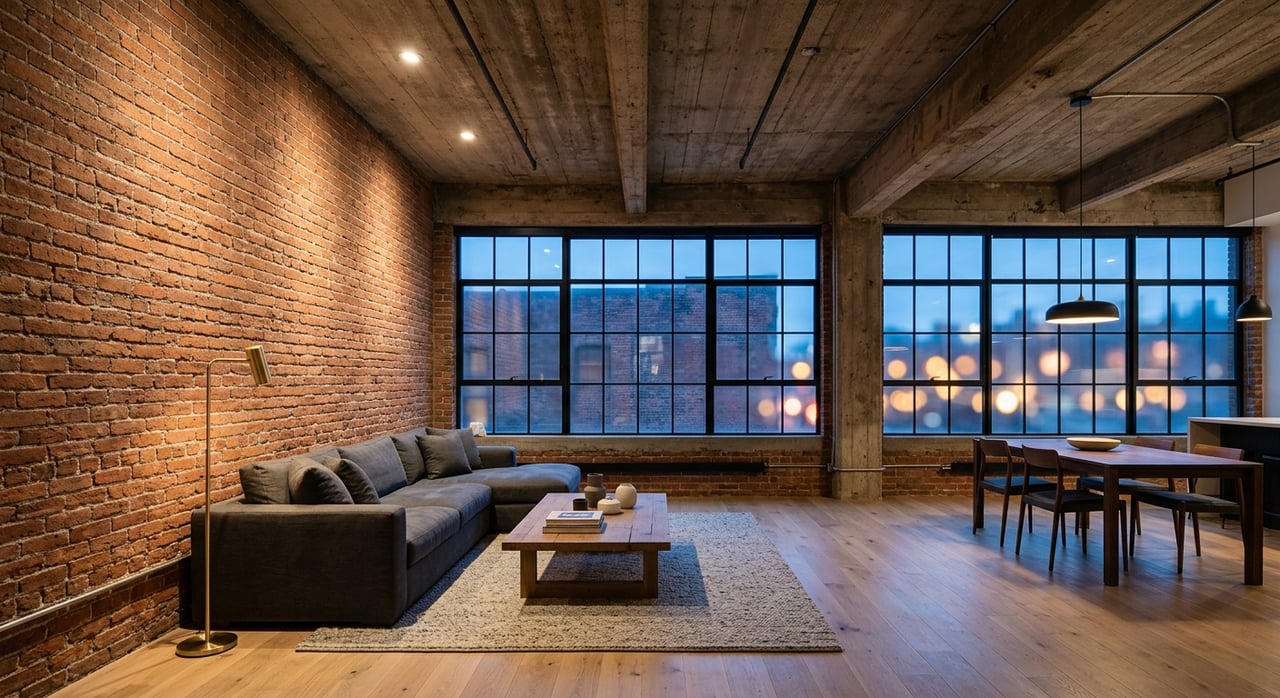
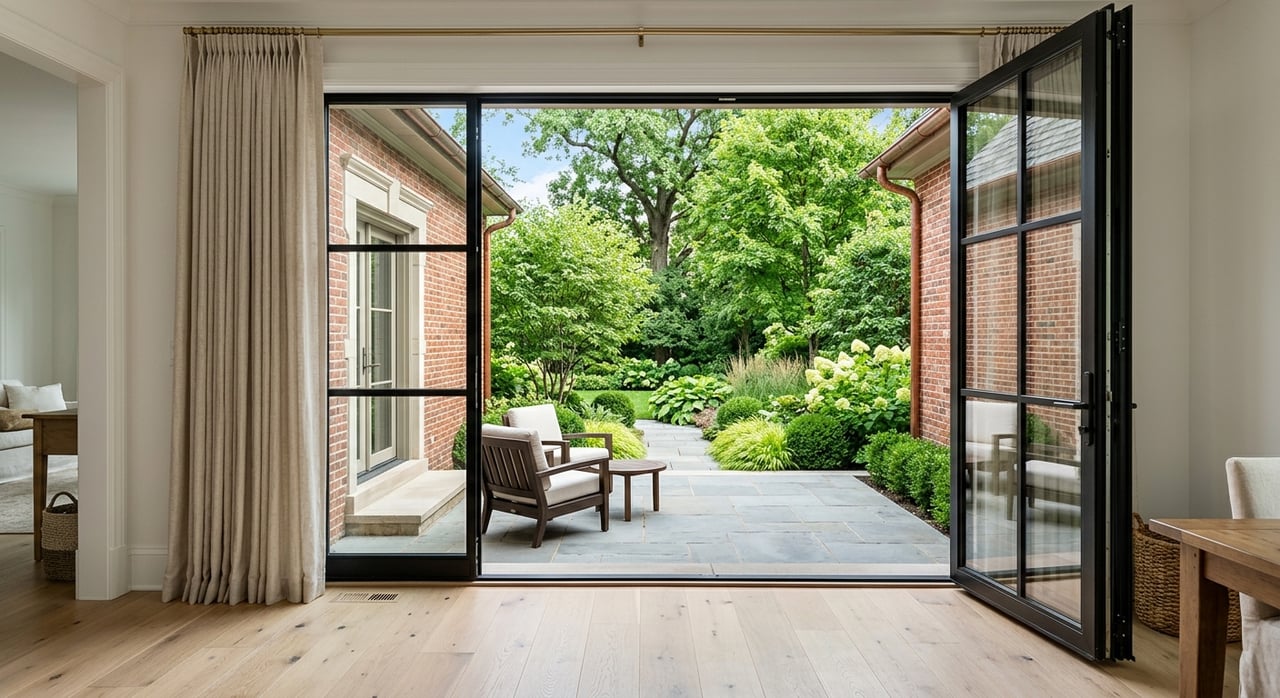
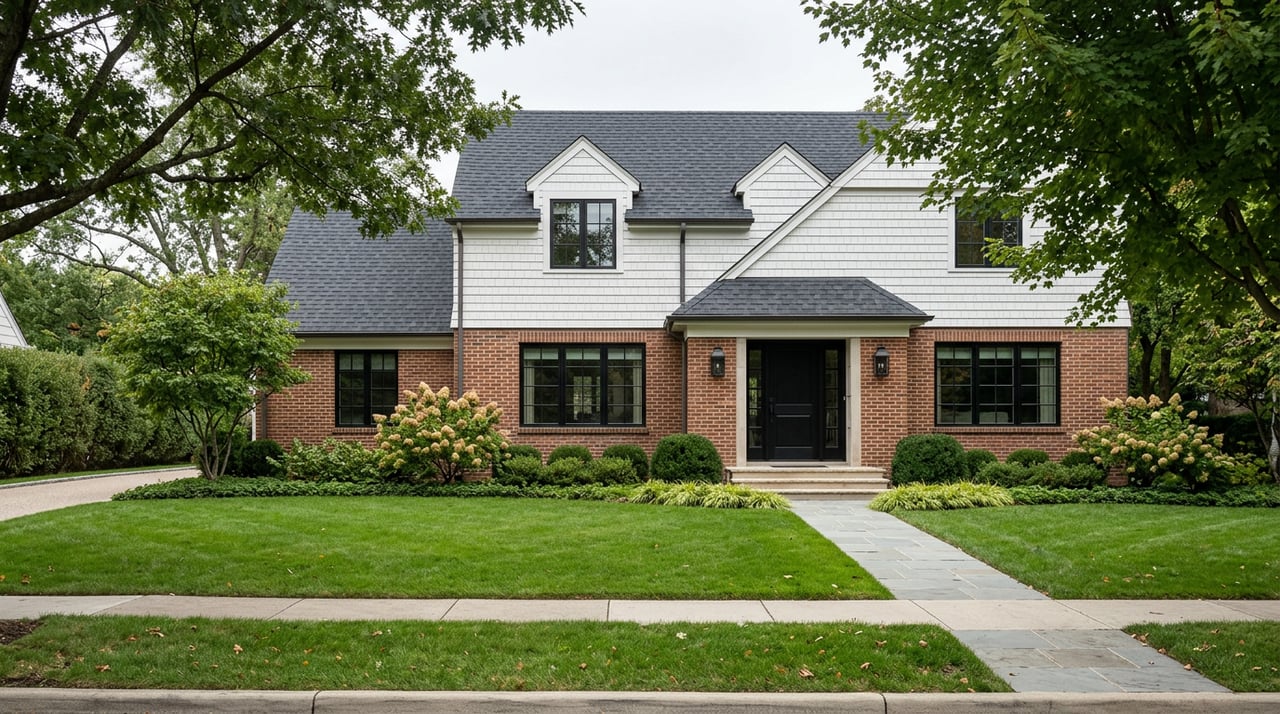
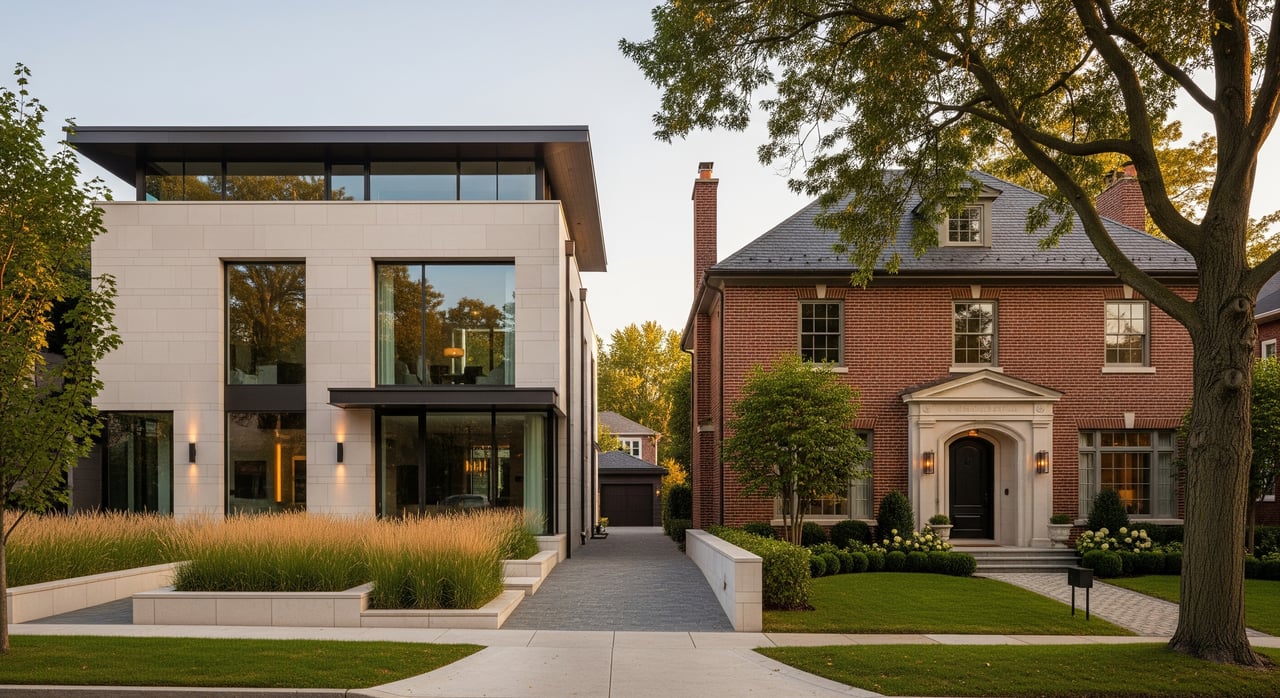
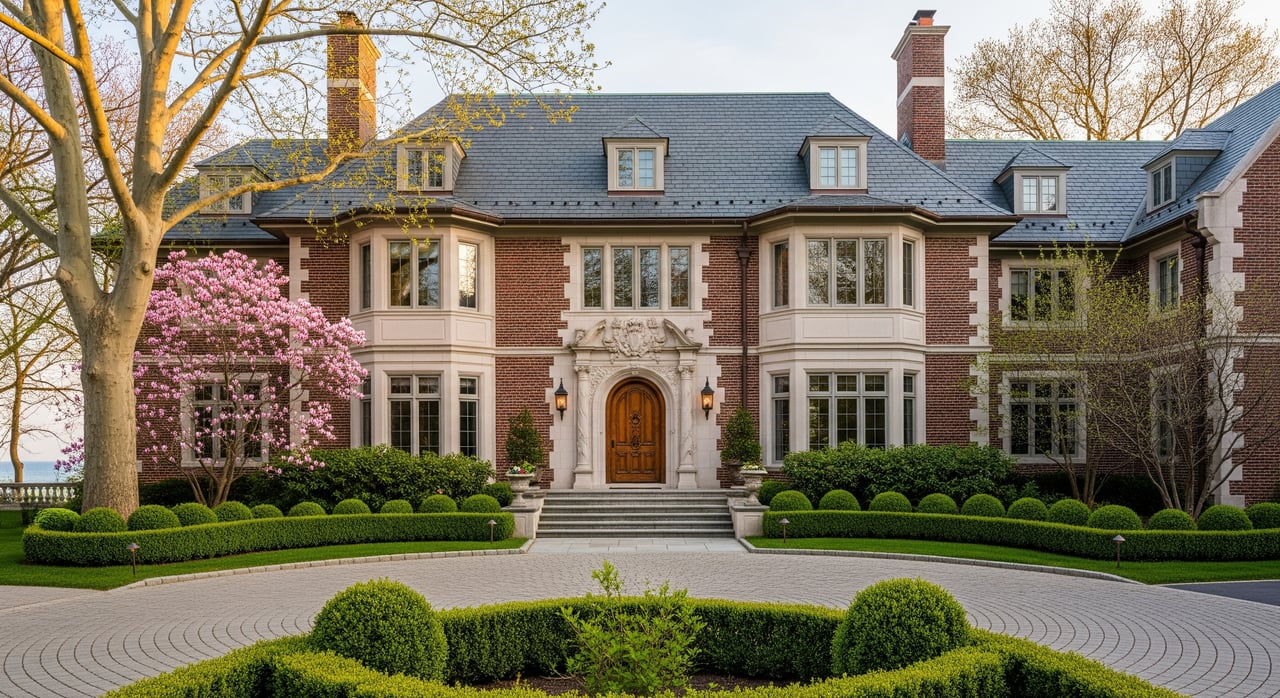
One of Lincoln Park’s strengths is that it does not force you into a single housing type. The neighborhood includes historic row houses, vintage multi-flats, and newer condominium options, which gives buyers more flexibility depending on how they want to live.
Chicago landmark district descriptions help illustrate that range. In Lincoln Park, you see Italianate row-house groups on streets like Fremont, Burling, and Lincoln Avenue, along with areas such as the Bissell Street district that feature three-flat, six-flat, and nine-flat buildings.
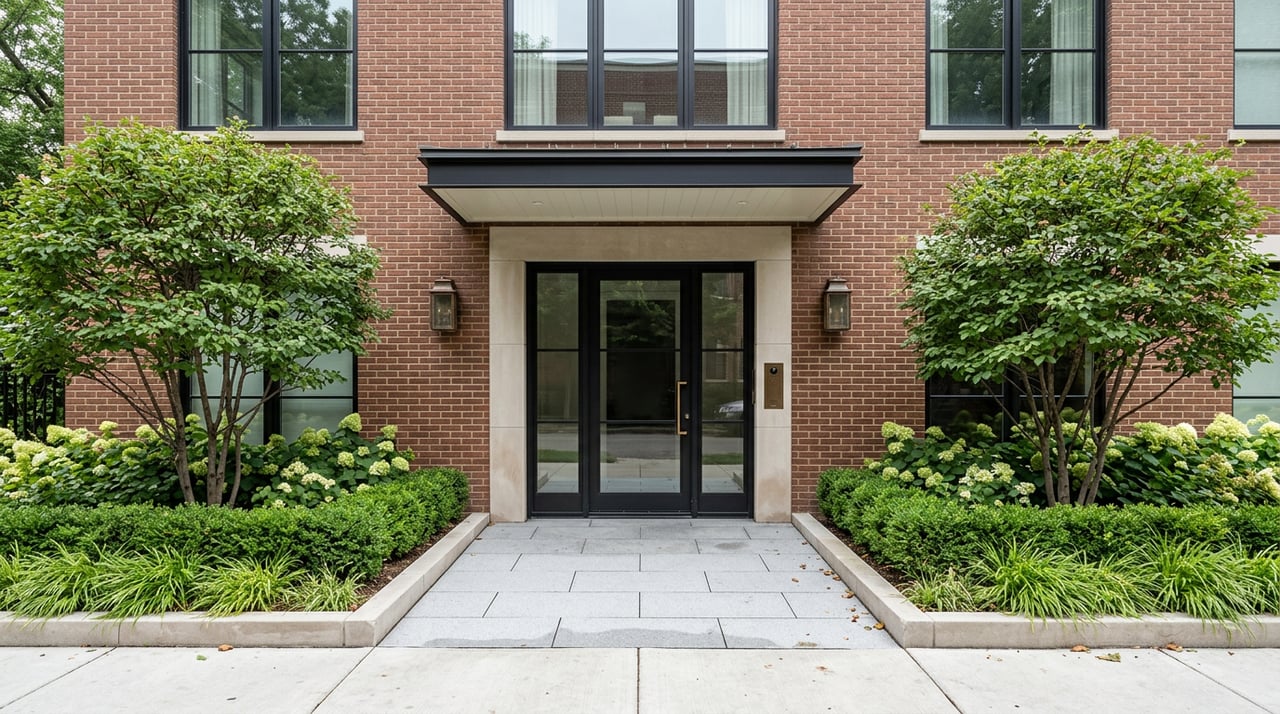
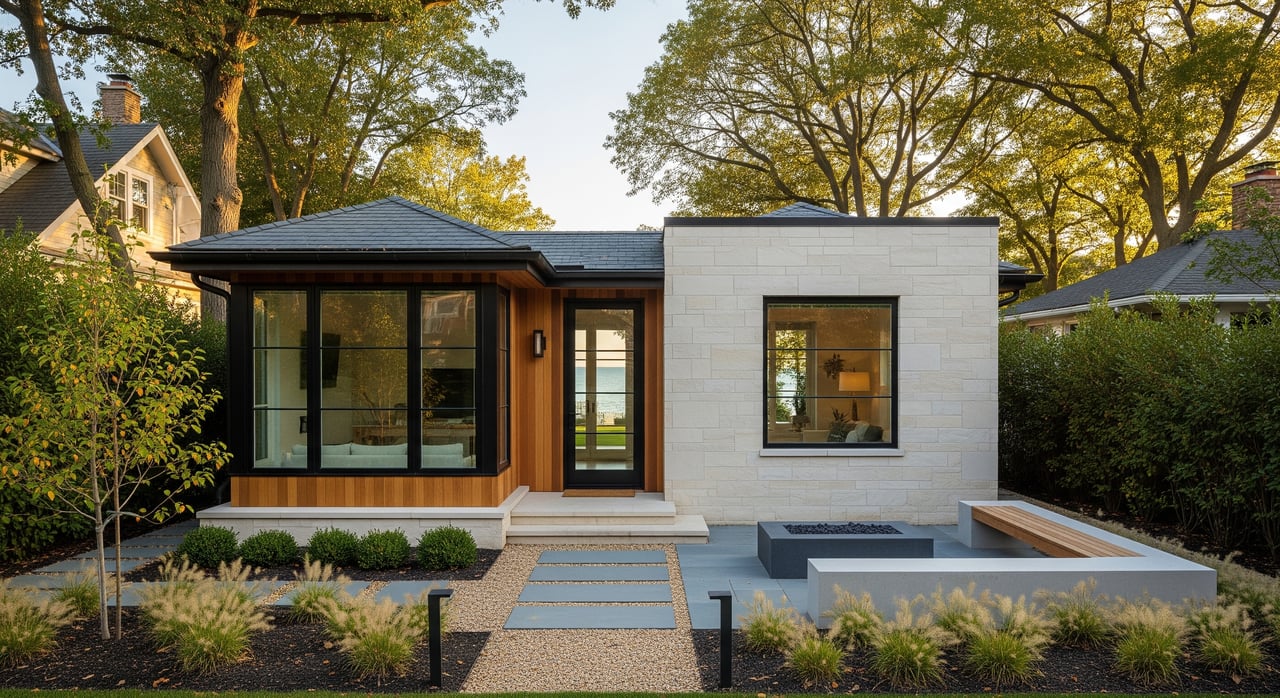
For buyers, that often translates into a choice between classic architectural character and more contemporary convenience. Some blocks offer a townhouse-style feel within the city, while newer developments can provide a more lock-and-leave lifestyle.
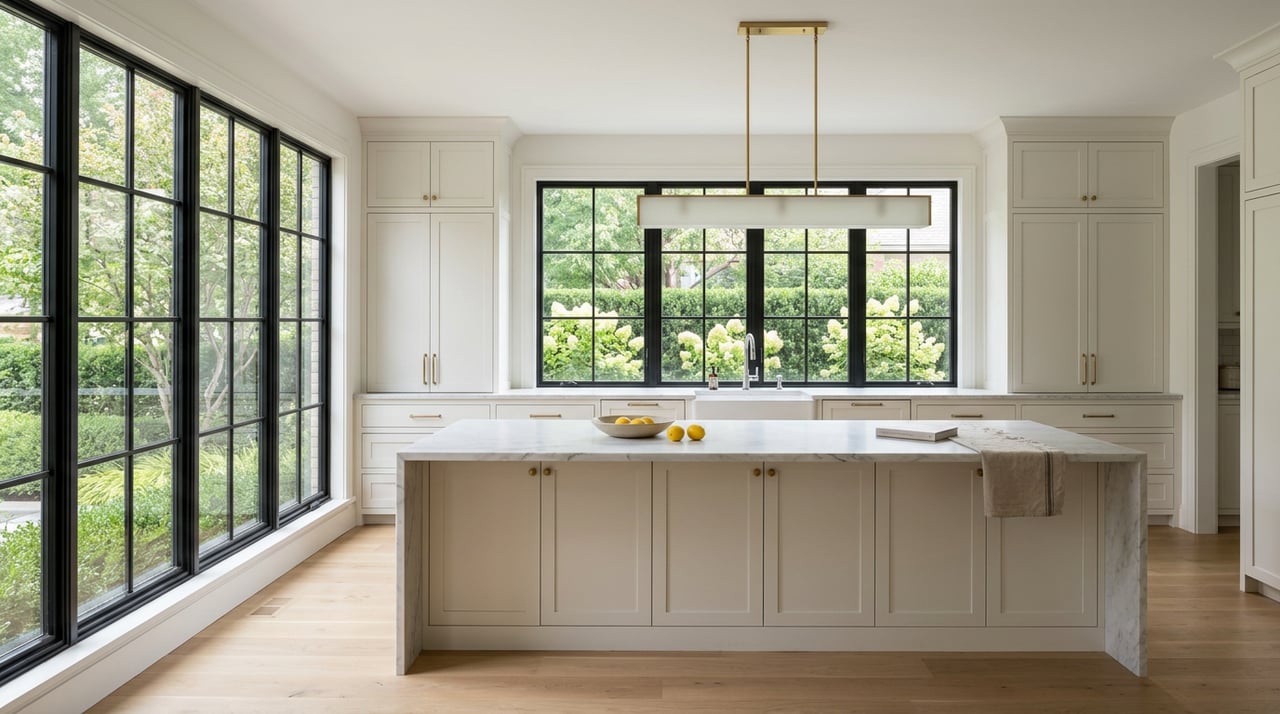
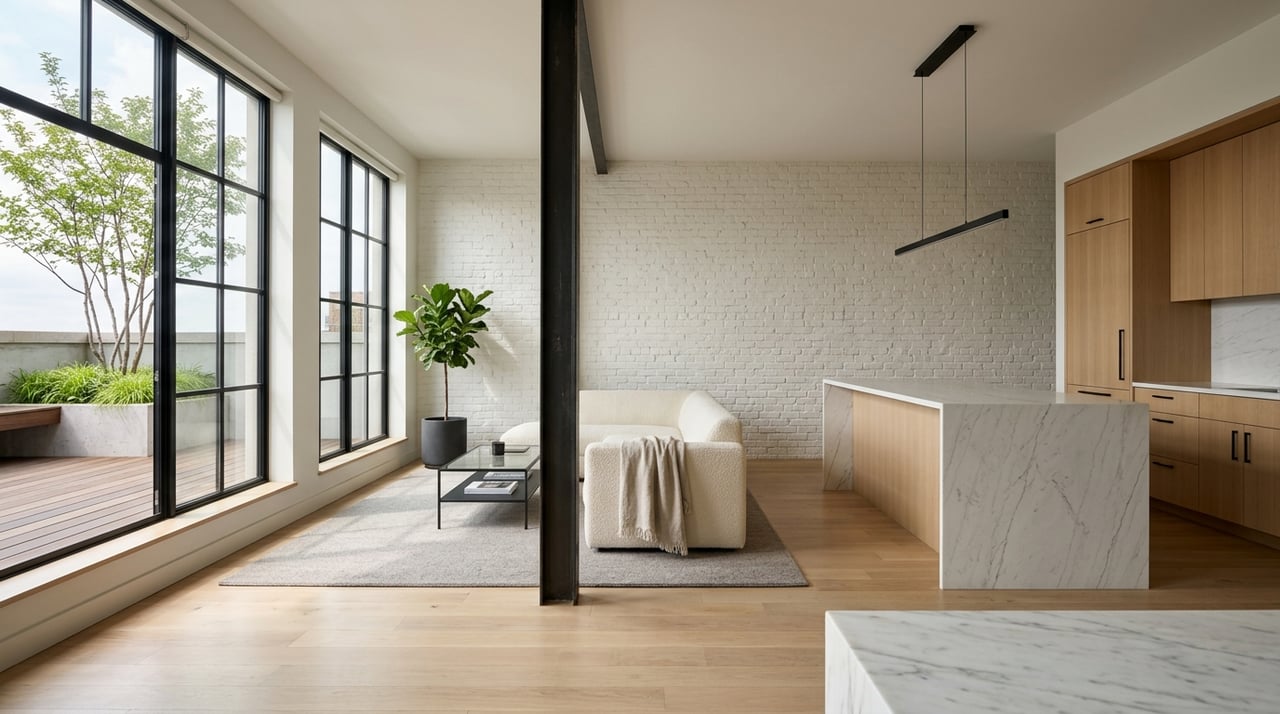
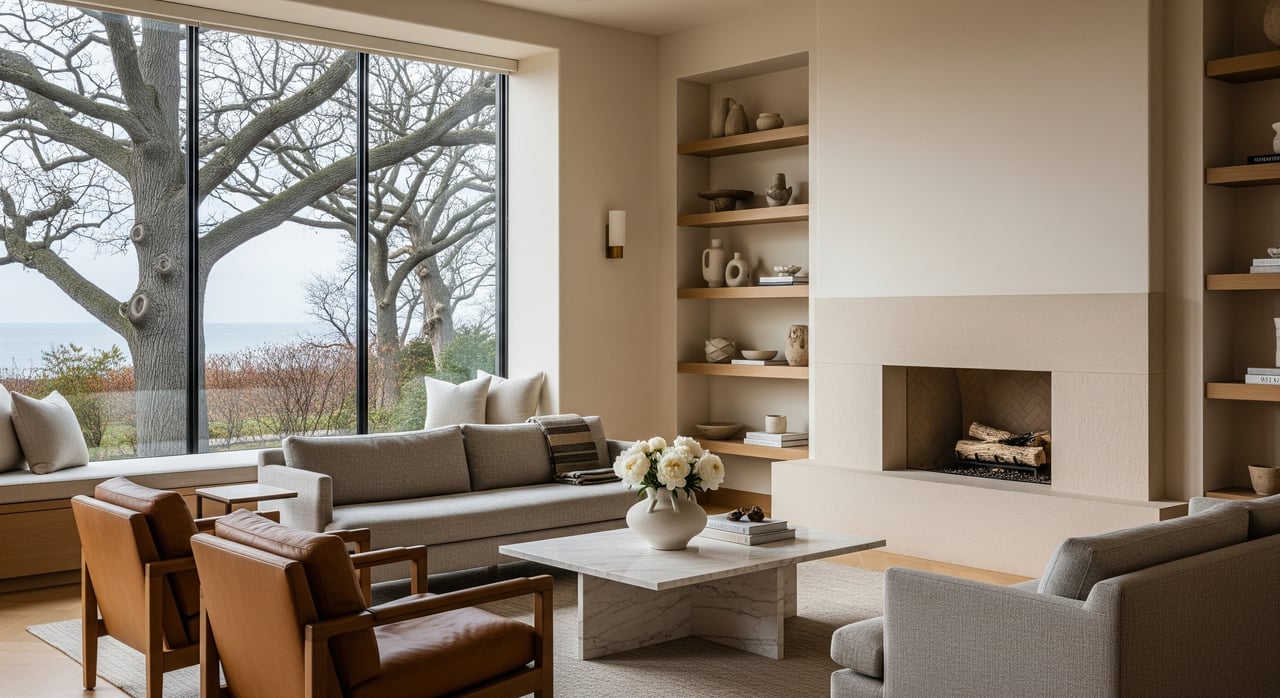
A current example of the neighborhood’s newer luxury housing is Lincoln Common, which the Lincoln Park Chamber describes as a mixed-use development with 538 luxury apartment units, 32 luxury condominiums, retail, dining, fitness, parking, and open space. Developments like this show how Lincoln Park continues to add upscale housing while maintaining a layered neighborhood feel.
What Daily Living Looks Like
Lincoln Park works well for buyers who care about day-to-day ease, not just prestige. The neighborhood supports routines that feel efficient, whether you are commuting downtown, meeting friends for dinner, or spending a Saturday close to home.
Dining is one reason the neighborhood remains so livable. Official neighborhood sources and the local chamber point to active restaurant clusters around Armitage-Halsted, Lincoln-Halsted, Clark Street, and the lakefront, with a mix of casual spots and destination dining.
That variety matters when you live somewhere full time. You are not relying on one main strip or one type of restaurant. Lincoln Park supports weeknight simplicity, coffee meetings, family meals, and more polished evenings out within the same neighborhood.
Transit and Commuting in Lincoln Park
Lincoln Park is about two miles north of downtown, according to Choose Chicago, and that proximity is a major draw for professionals who want easier access to the Loop and other business districts. You can stay closely connected to central Chicago without living in the middle of it.
The neighborhood is accessible by the Kennedy Expressway and Lake Shore Drive, and public transit is a clear strength. Choose Chicago notes Brown, Red, and Purple Line service, along with several CTA bus routes.
CTA station access at Armitage, Fullerton, Sedgwick, and North/Clybourn gives residents multiple entry points depending on where they are headed. If you prefer biking, the Lakefront Trail access points at Diversey Harbor, Fullerton, and LaSalle support car-free movement along the lakefront.
For many buyers, this combination is the sweet spot. You get strong transportation options, but your home life can still revolve around tree-lined streets, park access, and neighborhood-scale routines.
School Options in Lincoln Park
For families planning a move, school access is often part of the early conversation. In Chicago Public Schools, Lincoln Park families are part of a school-choice district, which means you may consider neighborhood schools or apply to other eligible CPS schools across the city.
Official CPS pages highlight several schools in and around Lincoln Park, including Lincoln School, Alcott Elementary School, LaSalle Language Academy, and Lincoln Park High School. CPS describes Lincoln Park High School as an IB-for-All school with IB Diploma, Middle Years, and Career programs, plus magnet pathways in Visual Arts, Performing Arts, and Advanced College Prep.
For younger children, CPS opened the Lincoln Park Early Learning Center in 2023 with capacity for up to 200 children. The neighborhood also includes private-school options, including Francis W. Parker School, a JK-12 independent school located at Clark and Webster.
Because school decisions are personal and often layered, many buyers benefit from understanding how location, commute, housing type, and school planning connect. In Lincoln Park, that conversation tends to be part of the larger lifestyle picture rather than a standalone factor.
How Lincoln Park Compares Nearby
If you are weighing several North Side neighborhoods, Lincoln Park often appeals to buyers who want a blend of greenery, city access, and upscale housing. It has a distinct identity, even when compared with other well-known nearby areas.
Compared with Lakeview, Lincoln Park tends to feel more centered on park space and major institutions. Compared with Lincoln Square, it generally feels less heritage-commercial and more tied to lakefront access and classic urban residential living.
Compared with Old Town, there is some overlap in historic architecture and upscale city appeal. Still, Lincoln Park often reads as broader in its mix of park life, housing choices, and family-oriented daily infrastructure.
Who Lincoln Park Fits Best
Lincoln Park can be a strong fit if you want a city address that still supports breathing room. Buyers drawn to the neighborhood often want walkability, attractive housing stock, access to green space, and multiple ways to navigate the city.
It can also appeal to North Shore-adjacent buyers who are not ready to give up urban living but want more daily access to parks, schools, and neighborhood amenities. The housing mix helps here, since Lincoln Park offers options ranging from historic row houses to luxury condos.
For upscale city families, the real advantage is balance. Lincoln Park gives you access to a refined urban lifestyle while keeping nature, movement, and neighborhood convenience close at hand.
If you are considering a move to Lincoln Park or weighing it against other Chicago and North Shore options, a tailored strategy can make the search much more efficient. For private guidance on luxury condos, row houses, and the right fit for your next chapter, connect with Jody Dickstein.
FAQs
What is daily family life like in Lincoln Park, Chicago?
- Lincoln Park offers a park-centered lifestyle with access to playgrounds, beaches, the zoo, the conservatory, the Lakefront Trail, and neighborhood dining that can support both weekday routines and weekend activities.
What types of homes are common in Lincoln Park?
- Lincoln Park includes a mix of historic row houses, vintage multi-flat buildings, and newer condominiums, including upscale mixed-use developments with modern amenities.
What public school options are available in Lincoln Park?
- CPS identifies Lincoln School, Alcott Elementary School, LaSalle Language Academy, and Lincoln Park High School among the neighborhood’s notable public school options, and CPS operates as a school-choice district.
How easy is commuting from Lincoln Park to downtown Chicago?
- Lincoln Park is about two miles north of downtown and offers access to Lake Shore Drive, the Kennedy Expressway, CTA rail service on the Brown, Red, and Purple Lines, multiple bus routes, and the Lakefront Trail.
How does Lincoln Park compare with nearby North Side neighborhoods?
- Lincoln Park generally feels more park- and institution-centered than Lakeview, less heritage-commercial in tone than Lincoln Square, and broader in its mix of park access and residential options than Old Town.