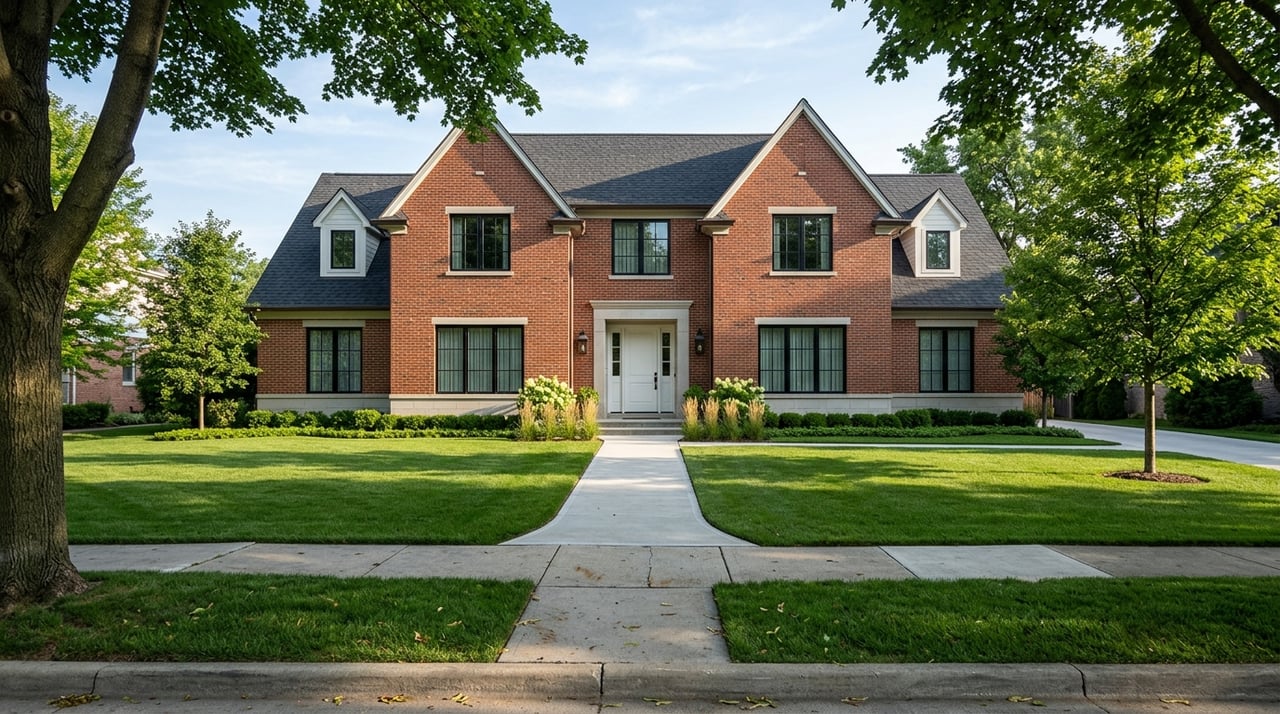
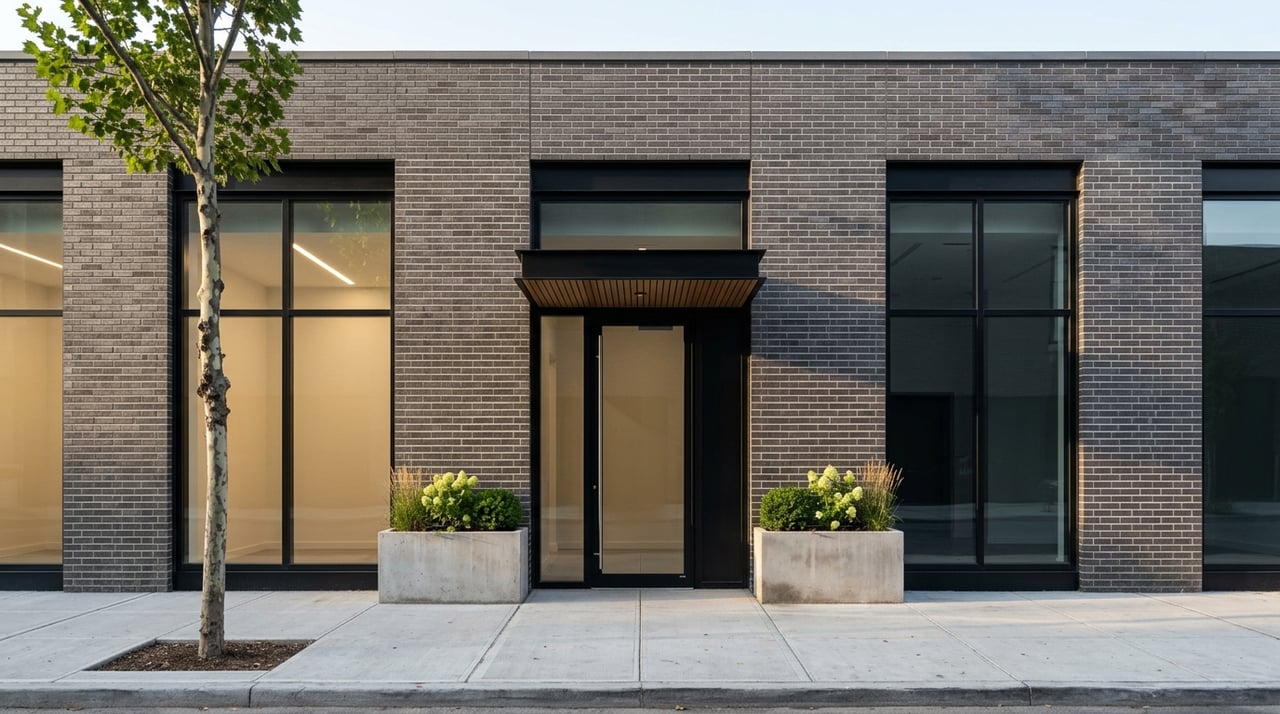
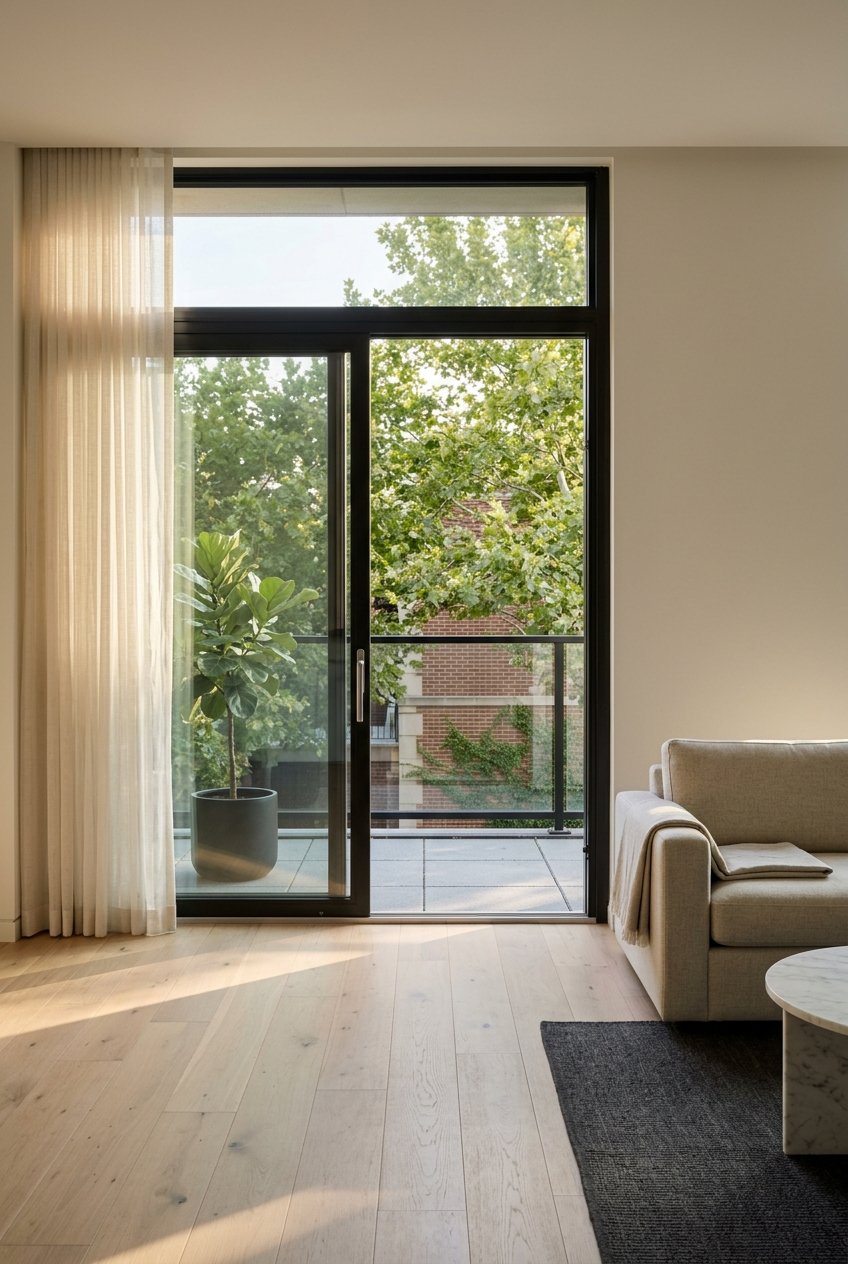
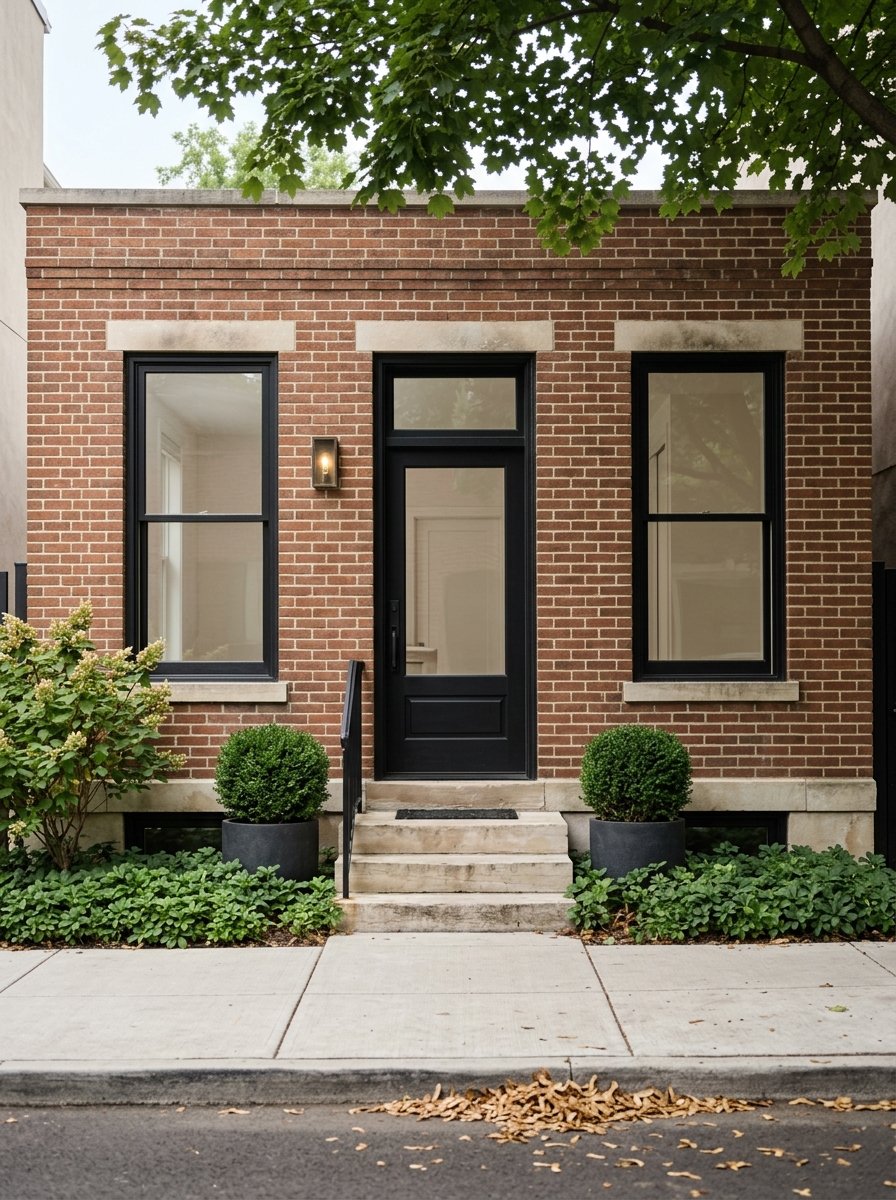
Should you focus on a brand-new build or a beautifully renovated home in Northbrook? It is a common crossroads for move-up buyers who want more space, modern amenities, and a smooth transition. You care about total cost, timeline, and how your choice will live day to day. In this guide, you will learn how new construction and renovated homes compare in Northbrook so you can choose with clarity and confidence. Let’s dive in.
Northbrook housing at a glance
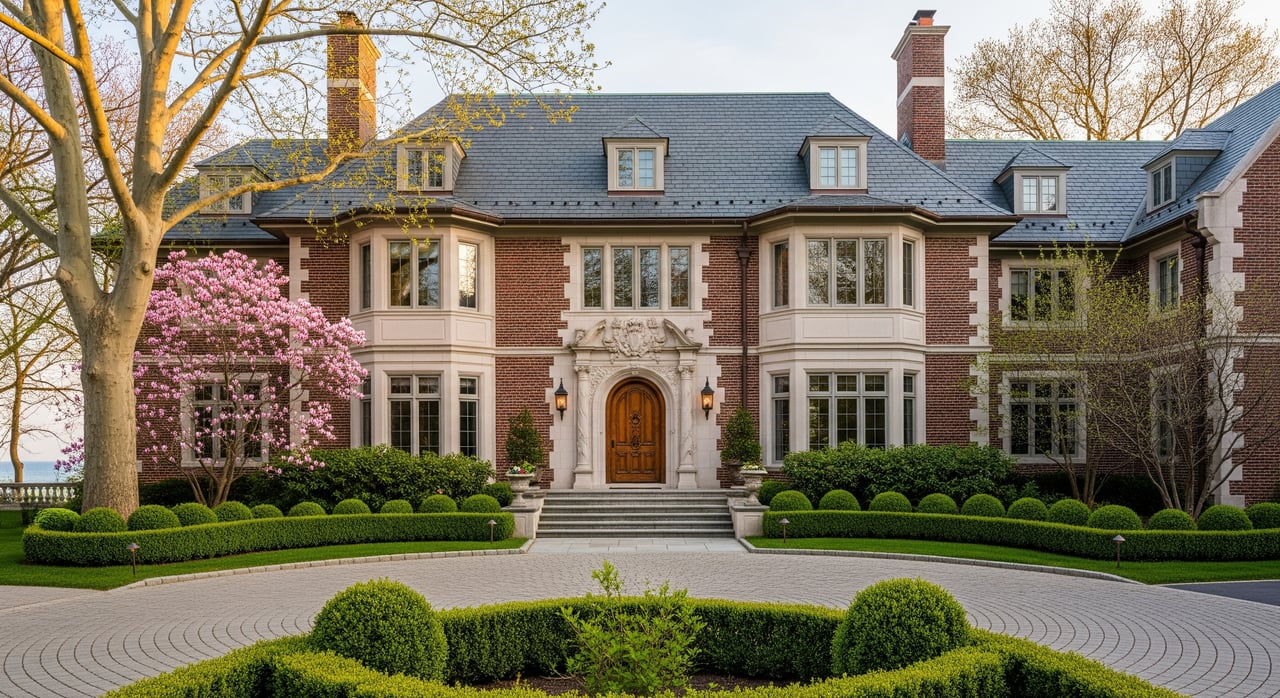
Northbrook blends established neighborhoods, mature trees, and a mix of mid-century and newer homes. Many buyers choose the village for its public schools, parks and recreation, and access to commuter routes. These qualities shape demand for both new construction and thoughtfully renovated homes.
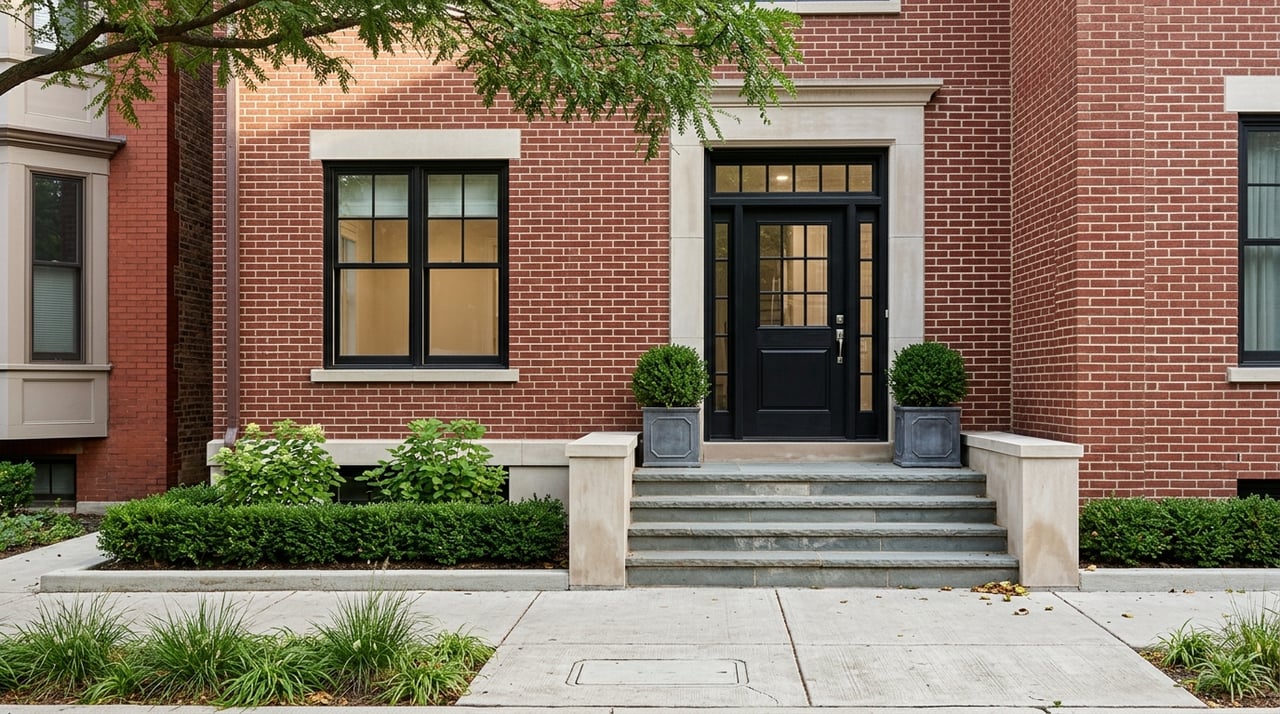
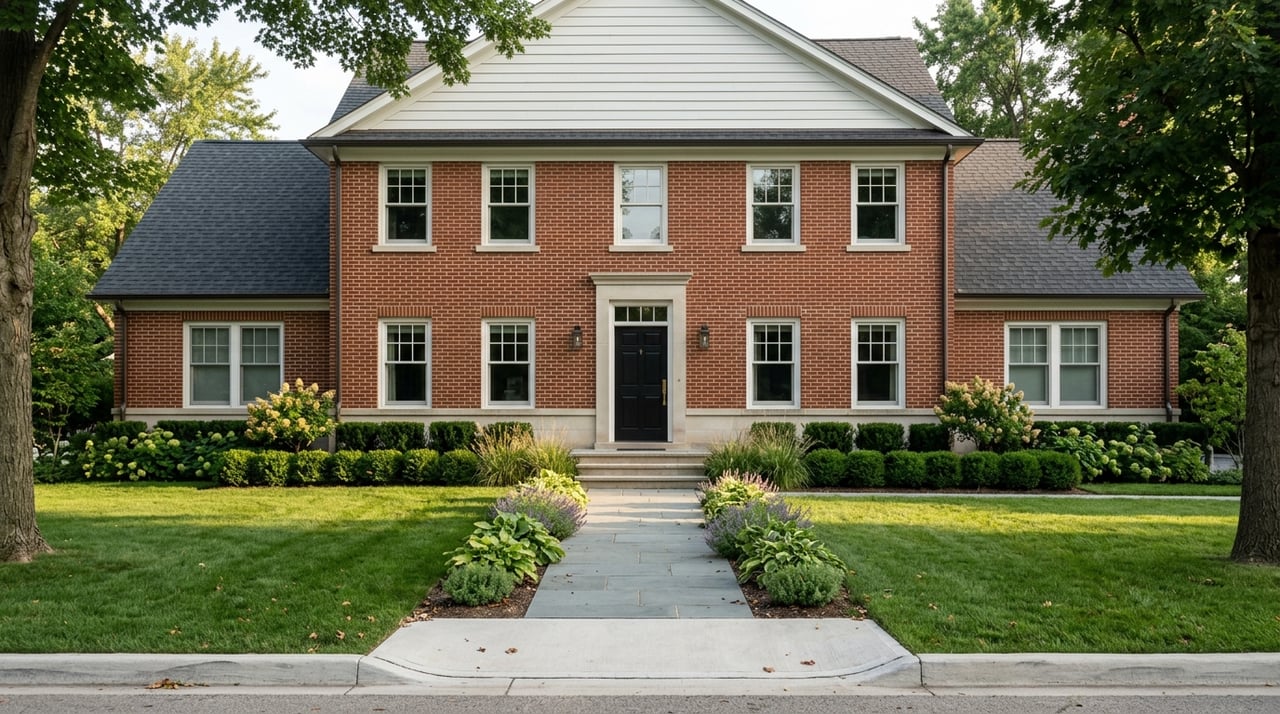
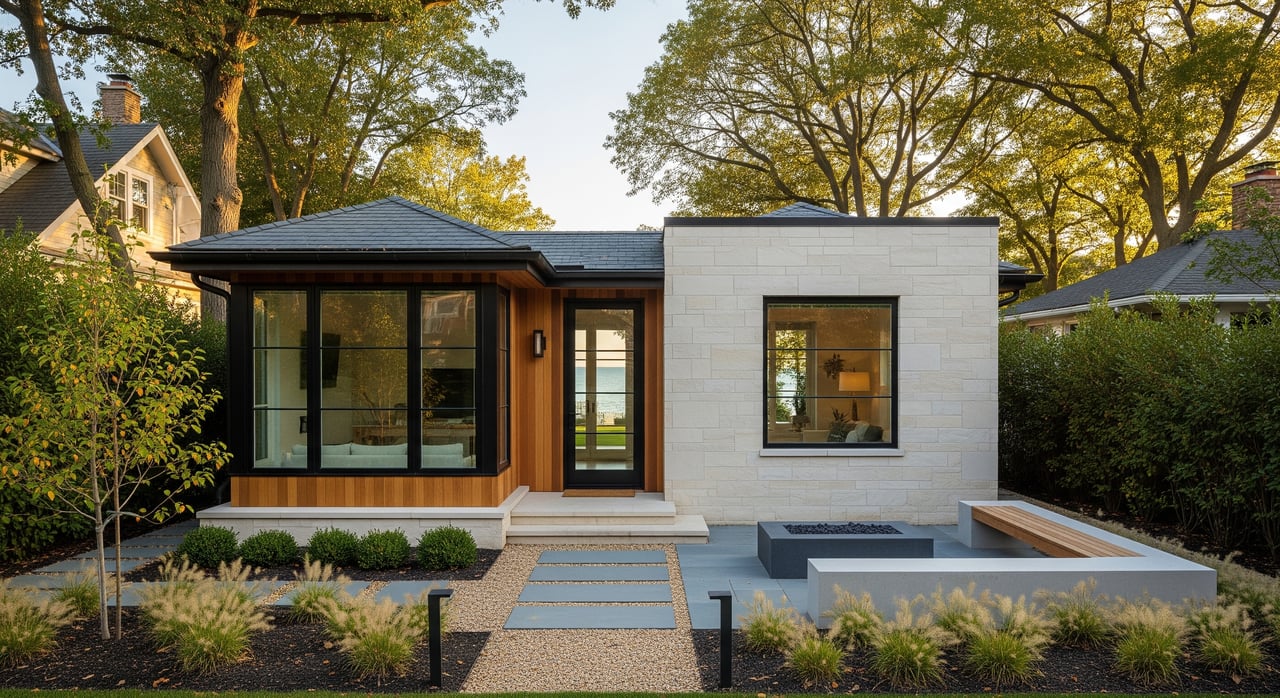
New builds here often happen as infill or replacements on existing lots rather than large tract communities. That means you will see custom or semi-custom homes on streets with older housing stock, along with renovated properties that keep neighborhood character while upgrading systems and finishes.
Cost comparison: purchase and ownership
Upfront price and construction
- New construction in Northbrook typically carries a higher price per square foot. You are paying for modern systems, energy efficiency, new materials, and warranties.
- Renovations can cost less for cosmetic or targeted updates. Whole-house overhauls or structural changes can approach or even exceed new-build costs, especially if issues like outdated utilities or hidden structural problems surface after demolition.
- Local cost drivers include site prep on mature lots, tree preservation, grading, stormwater considerations, and local labor rates. Complex lots and required mitigation can add time and expense.
Financing paths
- New builds can be financed with construction-to-permanent loans or builder-arranged options, then converted to a standard mortgage at completion. Expect plan reviews, inspections, and builder documentation.
- Renovation projects can use renovation mortgages such as Fannie Mae HomeStyle or FHA 203(k), a cash-out refinance, or a construction loan for larger scopes. Each option has rules on what work is eligible and when funds are released.
- If you plan to live in the home during renovation, factor in temporary housing or phased construction costs within your budget.
Taxes, insurance, and utilities
- Major improvements or a new home can raise assessed value and future property taxes in Cook County. The extent depends on scope and current assessment practices.
- Newer systems typically lower near-term maintenance and can reduce energy costs. Renovated homes can achieve similar savings if systems and insulation are upgraded across the house.
- Insurance can be more straightforward for completed new construction. Active renovations may require additional coverage during the work period.
Timeline and predictability
New construction timing
A new build often spans design, permitting, site prep, foundation, framing, and finishes. In Northbrook, the permitting and plan review process is an important part of the timeline. Inspections, material lead times, and weather can also cause delays. Many projects take several months to over a year from planning to move-in.
Renovation timing
Cosmetic updates move faster. Major renovations with structural changes can take months and are more variable due to surprises behind walls. If your move is tied to a school year or job start, weigh the predictability you need. A finished, renovated home can offer immediate occupancy, while a build or gut renovation requires more time and flexibility.
Design and lifestyle fit
Floor plan flexibility
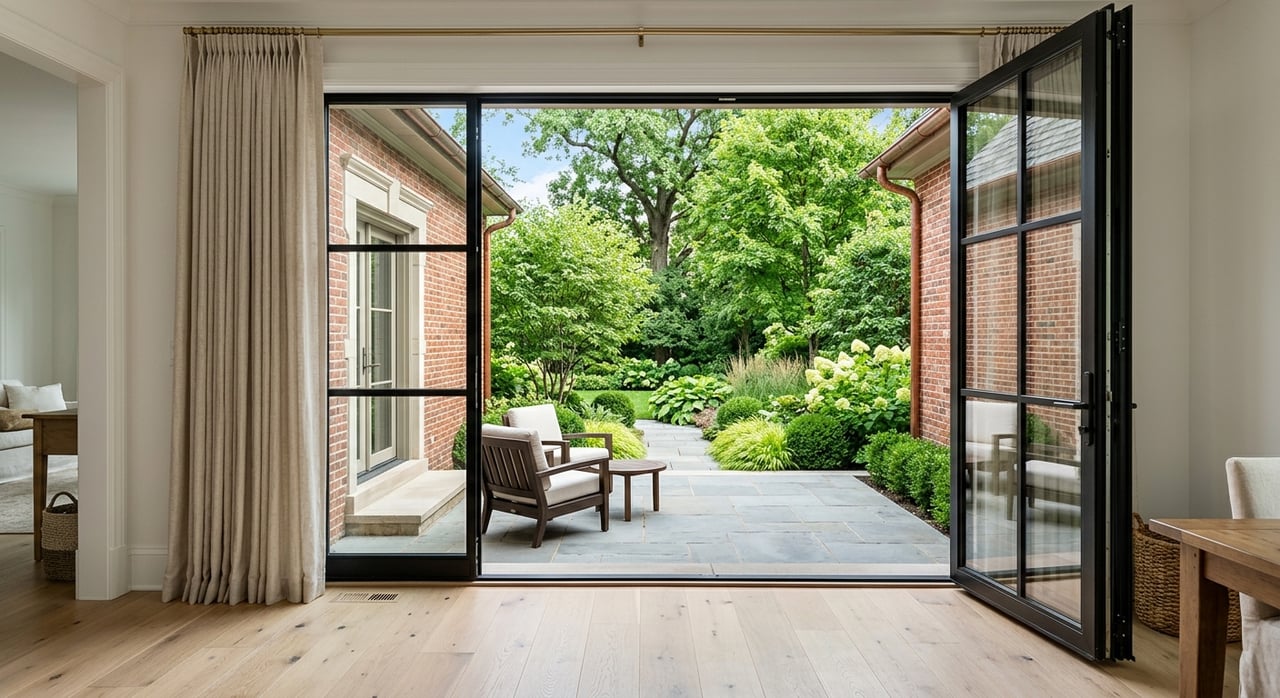
- New construction provides the greatest control over layout, natural light, and flow. You can design for open sight lines, multi-purpose rooms, and modern mechanicals.
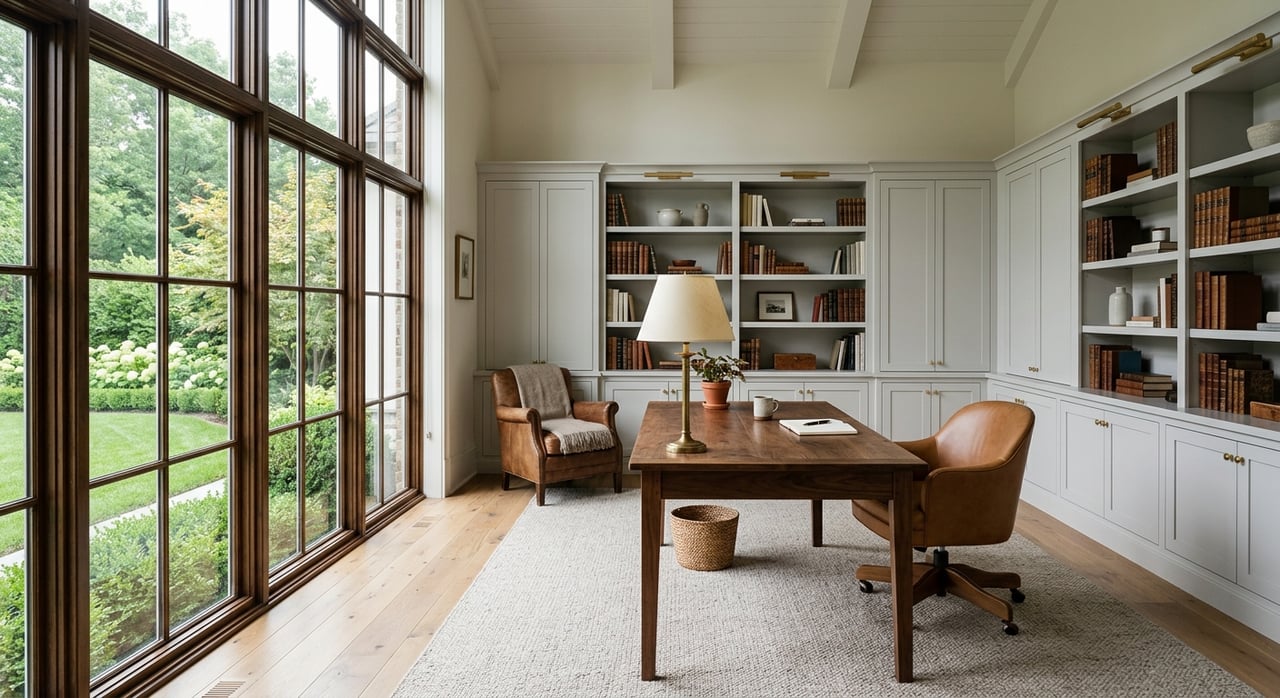
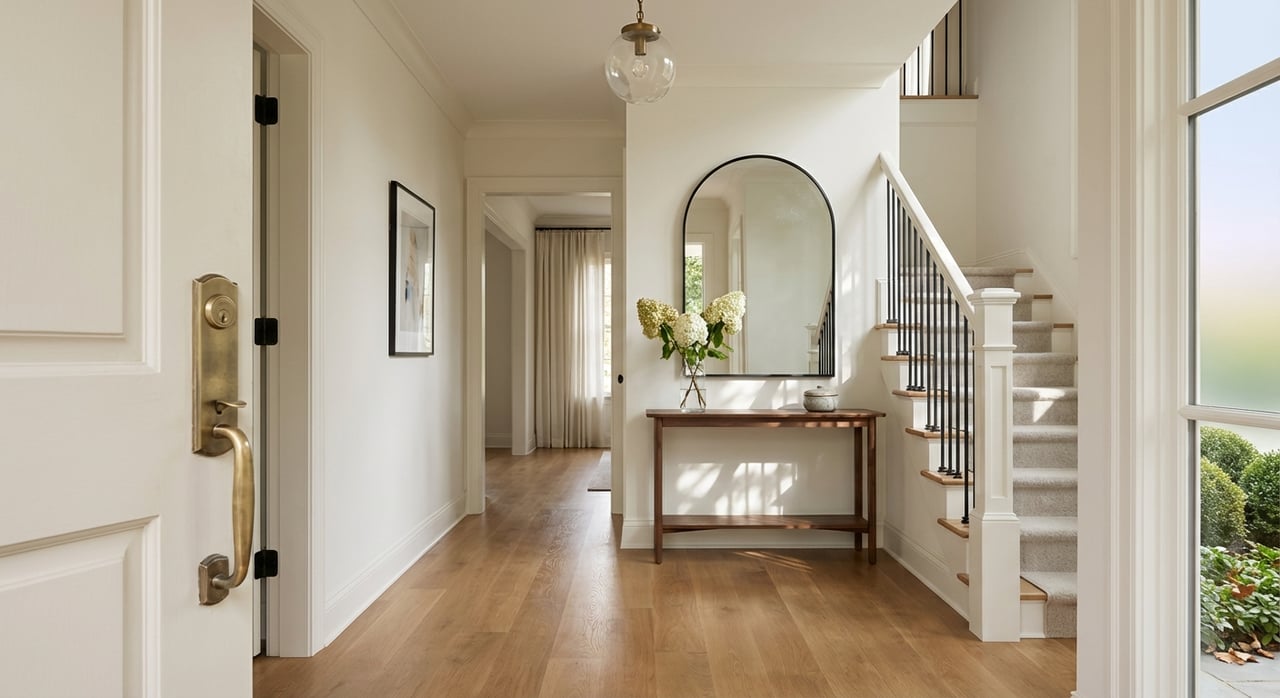
- Renovations can deliver outstanding results in kitchens, baths, basements, and primary suites. Structural limitations and existing mechanical runs may constrain how open you can go without higher costs.
Lot, trees, and neighborhood character
- Many Northbrook lots feature mature trees and established grading. Tree preservation and drainage planning can affect both designs and budgets.
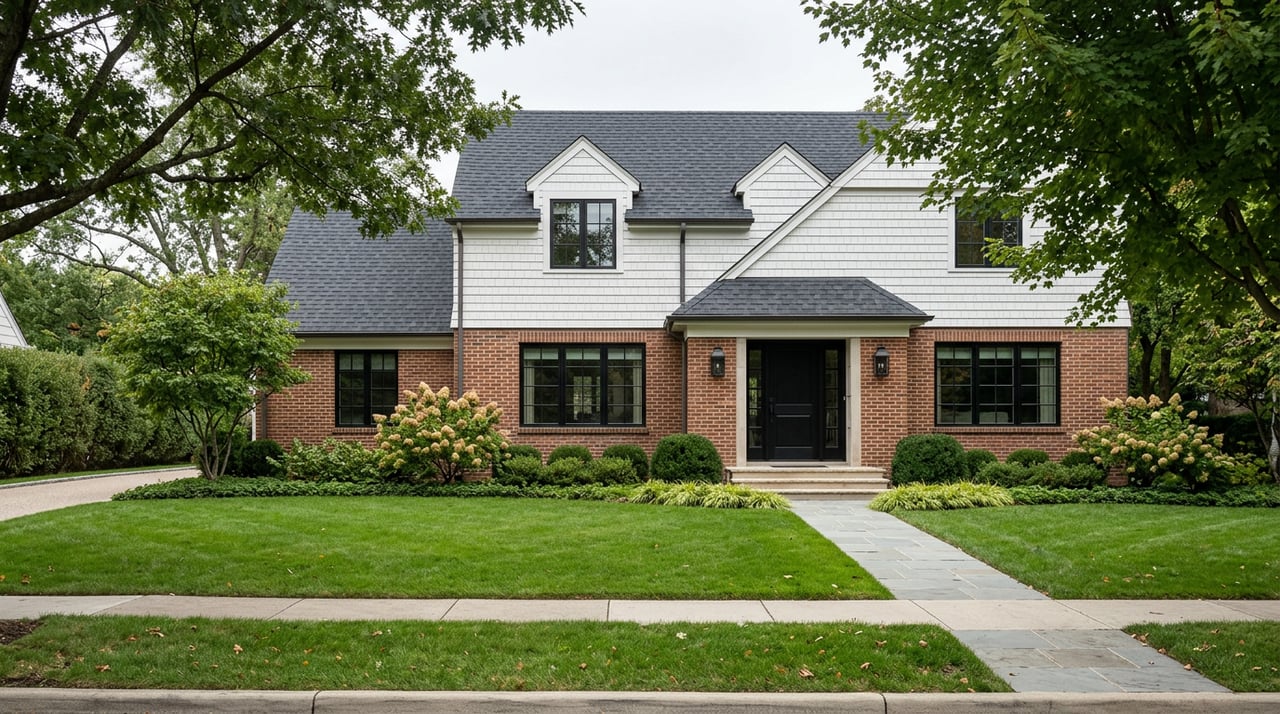
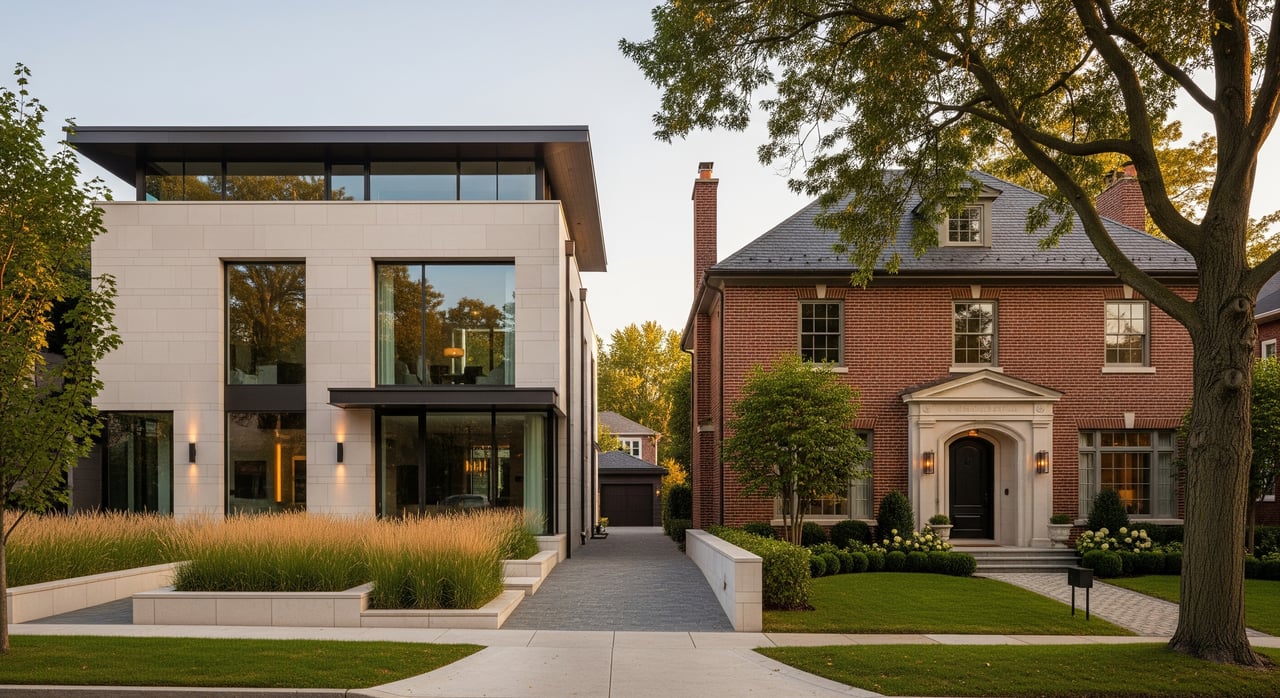
- Renovating an existing home can maintain the feel of the block while bringing interiors up to today’s standards. New builds can harmonize with the street if scaled and designed with neighborhood context in mind.
Risk and quality control
Permits, inspections, and oversight
Both paths benefit from early conversations with the village on zoning, setbacks, lot coverage, and stormwater requirements. For new builds, plan for phase inspections and detailed builder oversight. For renovations, insist on clear scopes of work, permits, and a defined change-order process. Independent inspections add peace of mind in both cases.
Hidden conditions and contingencies
Renovations carry more discovery risk. Older homes can reveal issues like outdated utilities or structural repairs that raise costs. Build in a contingency of at least 10 to 20 percent for larger renovations. New construction reduces unknowns but still depends on builder quality and site conditions.
Resale and appraisal in Northbrook
What local buyers value
Northbrook buyers often focus on location within the village, access to amenities and commuter routes, lot quality, natural light, and turnkey interiors. Updated kitchens, primary suites, and thoughtful finishes consistently draw interest.
Pricing confidence and comps
New builds can command a premium for modern layouts and efficiency. Renovated homes can perform very well when improvements match neighborhood expectations. Appraisals rely on recent comparable sales. A new home surrounded by smaller, older properties may face appraisal headwinds unless other new builds nearby have set a pricing pattern.
Documentation that supports resale
- Keep builder warranties, maintenance logs, and equipment receipts.
- For renovated homes, maintain permits, inspection records, and contractor documentation.
- Energy-efficient upgrades and certifications, where applicable, are marketable and help buyers understand long-term costs.
Decision guide: which fits you?
Use this quick lens to match your needs to the right path.
Choose new construction if:
- You want full control over layout, systems, and finishes.
- You prefer lower near-term maintenance and energy costs.
- Your timeline can accommodate design, permits, and a build cycle.
- You have nearby comps that support modern new-build pricing.
Choose a renovated home if:
- You value an established lot and neighborhood character.
- You want a quicker move-in with targeted, high-impact updates.
- You are comfortable with some legacy systems if not fully replaced.
- You prefer to keep assessed value changes more predictable in the near term, subject to the scope of work.
Choose a gut renovation or tear-down and build if:
- The lot is the prize but the structure cannot meet your needs.
- Neighborhood patterns support new construction values.
- You have budget and appetite for a longer, more complex project with professional oversight.
Your next steps in Northbrook
- Clarify your priorities. Rank timeline, must-have features, budget (with contingency), and your willingness to manage construction.
- Study neighborhood comps. Look at recent sales for renovated homes and new builds to understand local price ceilings.
- Call village planning and building staff early. Confirm zoning, setbacks, lot coverage, tree preservation, and typical permit timelines for your lot or target area.
- Interview multiple builders and contractors. Ask for Northbrook references, detailed scopes, schedules, and warranty terms.
- Run full financial scenarios. Combine purchase price, project costs, carrying costs, and potential tax impacts. Include a contingency, especially for renovations.
- Explore financing options with lenders who handle construction and renovation loans. Compare terms, draws, inspections, and qualification requirements.
- Order inspections and feasibility studies before you commit. For existing homes, test major systems and identify likely surprises.
- For new builds, review timelines and allowances. Get clarity on selections, change orders, and milestone payments.
When you are ready to compare properties or plan your move, you deserve calm, expert guidance. For a private, boutique experience that puts your goals first, request a consultation with Jody Dickstein.
FAQs
How much more do new builds cost than renovated homes in Northbrook?
- It depends on neighborhood comps and finish level; study recent local sales for both new construction and remodeled homes to understand the current premium.
Will renovating a Northbrook home increase my property taxes?
- Significant improvements can trigger reassessment; the impact varies by scope and current assessment practices, so review your plans with the Cook County Assessor’s office.
How long does a new build take in Northbrook compared to a major renovation?
- New construction often takes several months to a year or more including permits; major renovations range from weeks to many months depending on scope and discovery.
Are there incentives for energy-efficient upgrades in Northbrook?
- Utility rebates and state or federal incentives may be available for efficient HVAC, insulation, or weatherization; program availability changes, so verify current options before planning.
Which has better resale value in Northbrook: new construction or a gut renovation?
- Both can perform well when aligned with neighborhood comparables and buyer preferences; avoid over-improving beyond local price ceilings.
Should I tear down and build new or renovate an older Northbrook home?
- Compare lot value, demolition and disposal costs, neighborhood patterns, appraisal support, and your timeline; get feasibility and cost estimates from a builder and a contractor before deciding.