Is it time to trade weekend yard work for lake walks and lock-and-leave living? If you have loved a larger Glencoe home for years, downsizing can feel both exciting and complex. You want clarity on timing, costs, and where to go next without losing the comforts you value. This guide gives you a clear plan for selling well, choosing the right low-maintenance home, and making a confident move in and around Glencoe. Let’s dive in.
Why Glencoe works for downsizers
Glencoe blends lakefront access, parks, and a commuter rail link to Chicago, which supports steady buyer demand for well-maintained homes. Many buyers value proximity to Metra, walkability, and village amenities. These traits help larger homes attract attention and also make condo and townhome living appealing once you downsize.
Glencoe is an above-median price market in the Chicago area, so a well-presented single-family estate can command premium pricing when condition, location, and lot are strong. Because property taxes in Cook County are a key cost for both sellers and buyers, it helps to review your assessed value and any exemptions with county resources before you list.
Your financial picture
What your home may be worth
Start with a Comparative Market Analysis from a local North Shore agent to set your expectations. If your property is unique, a prelisting appraisal can add clarity. Together, these tools help you price confidently and plan your next purchase.
Estimate your net proceeds
Model your sale price minus mortgage payoff and typical seller costs. As a planning range, agent commissions, transfer taxes, title and closing fees, and similar items can total about 6 to 10 percent. Include any pre-sale repairs, potential concessions, and carrying costs until closing to avoid surprises.
Taxes to plan for
If you have lived in your Glencoe home as your primary residence for at least two of the last five years, you may qualify for the federal primary-residence capital gains exclusion. The limit is up to 250,000 dollars for single filers or 500,000 dollars for married couples filing jointly, subject to ownership and use tests. Illinois taxes income at the state level, so factor state rules into your plan, and review Cook County’s assessment process to understand your property tax picture.
Ongoing costs in your next home
Condos and townhomes typically add monthly association dues, which may cover exterior maintenance, landscaping, snow removal, common area insurance, and reserves. Clarify exactly what is included, from roofs to exterior elements and amenities. Expect lower utility usage in a smaller footprint, though dues may offset some savings. For condo insurance, understand the association’s master policy so your unit coverage aligns with what the building covers.
Financing and timing
If you plan to purchase before selling, explore bridge financing, a HELOC, or a purchase contingency tied to your home sale. Some condo and townhome communities have lender and insurer requirements, including owner-occupancy ratios and reserve standards. These rules can affect financing and future resale, so plan ahead.
Housing options in and near Glencoe
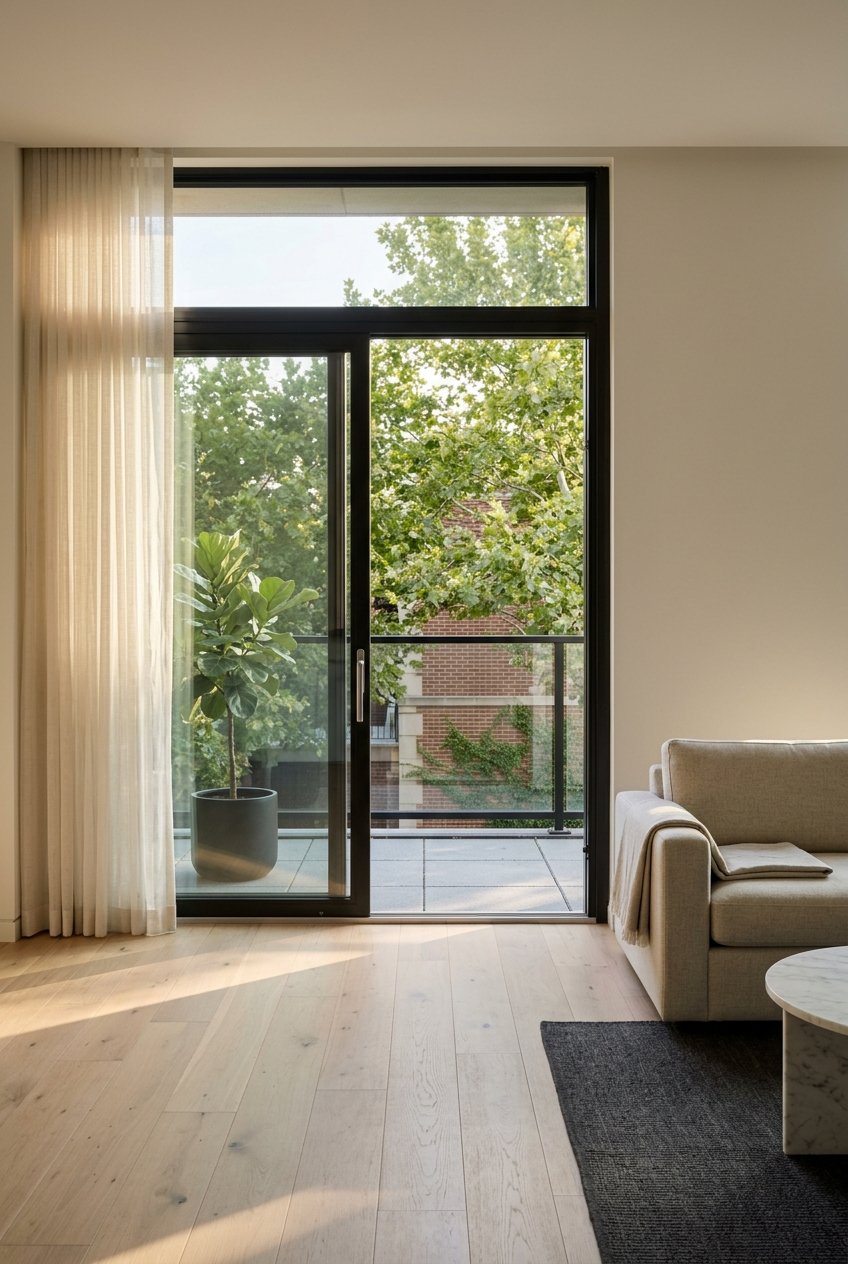
Condominiums
- Pros: Minimal exterior maintenance, potential building amenities, secure entry, and often close to village conveniences or transit.
- Cons: Monthly dues, possible special assessments, building rules on pets or rentals, and sometimes limited storage. Review the association’s financials and meeting minutes.
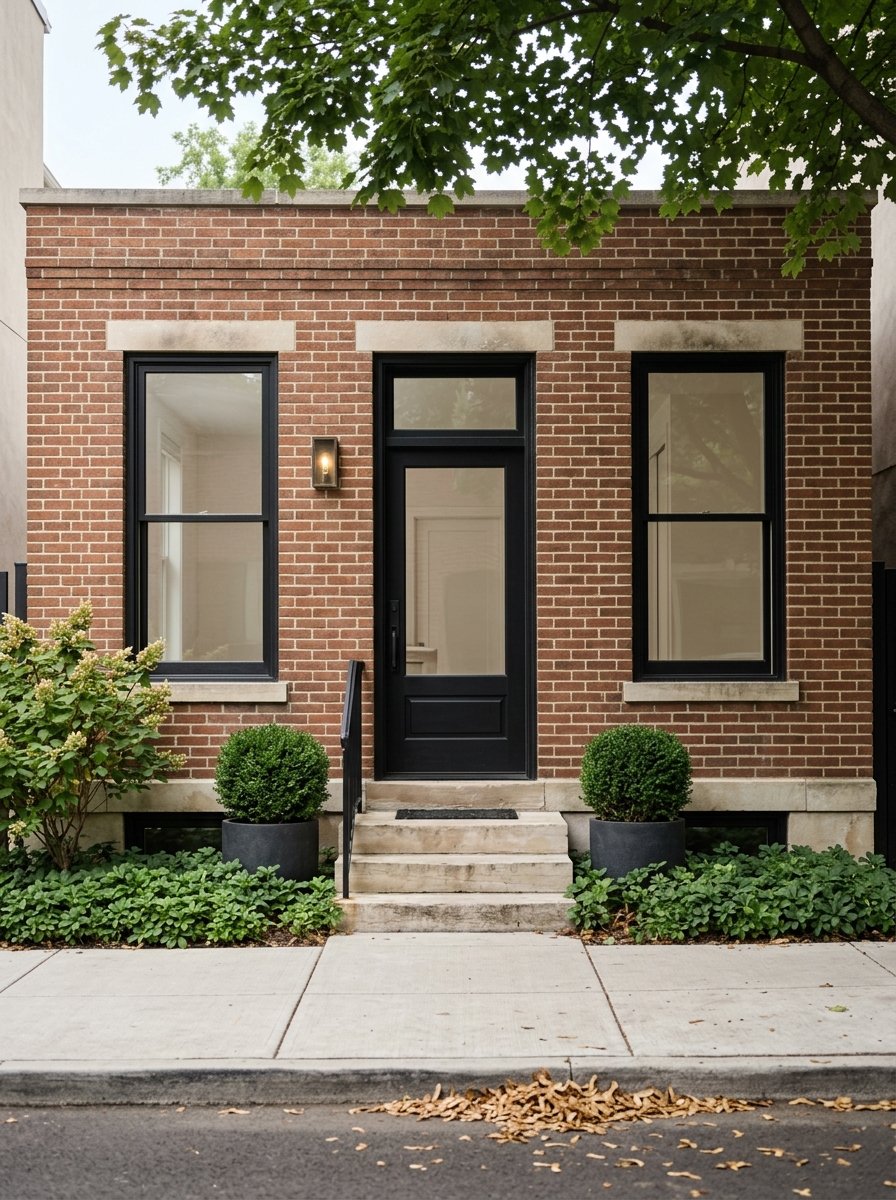
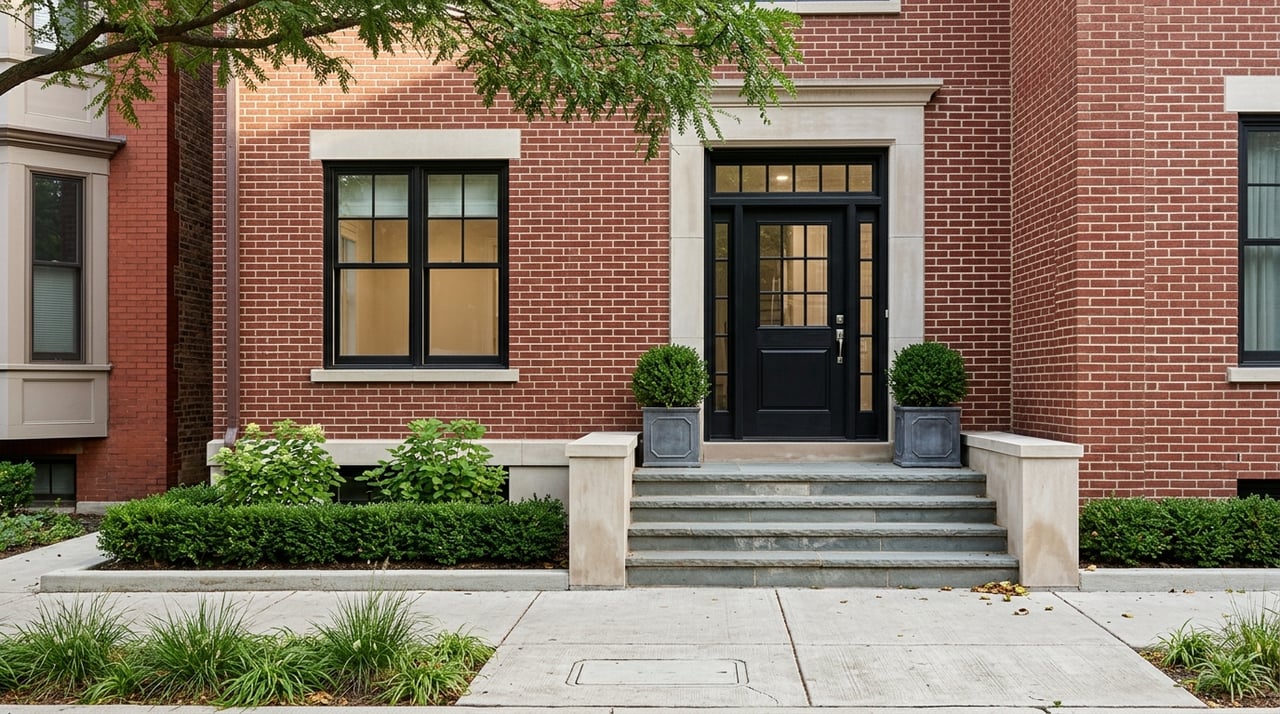
Townhomes
- Pros: More space than many condos, private entries, and sometimes a small yard or patio. The feel can be more residential while still reducing upkeep.
- Cons: You may still have HOA fees and some exterior responsibilities, and you share walls with neighbors.
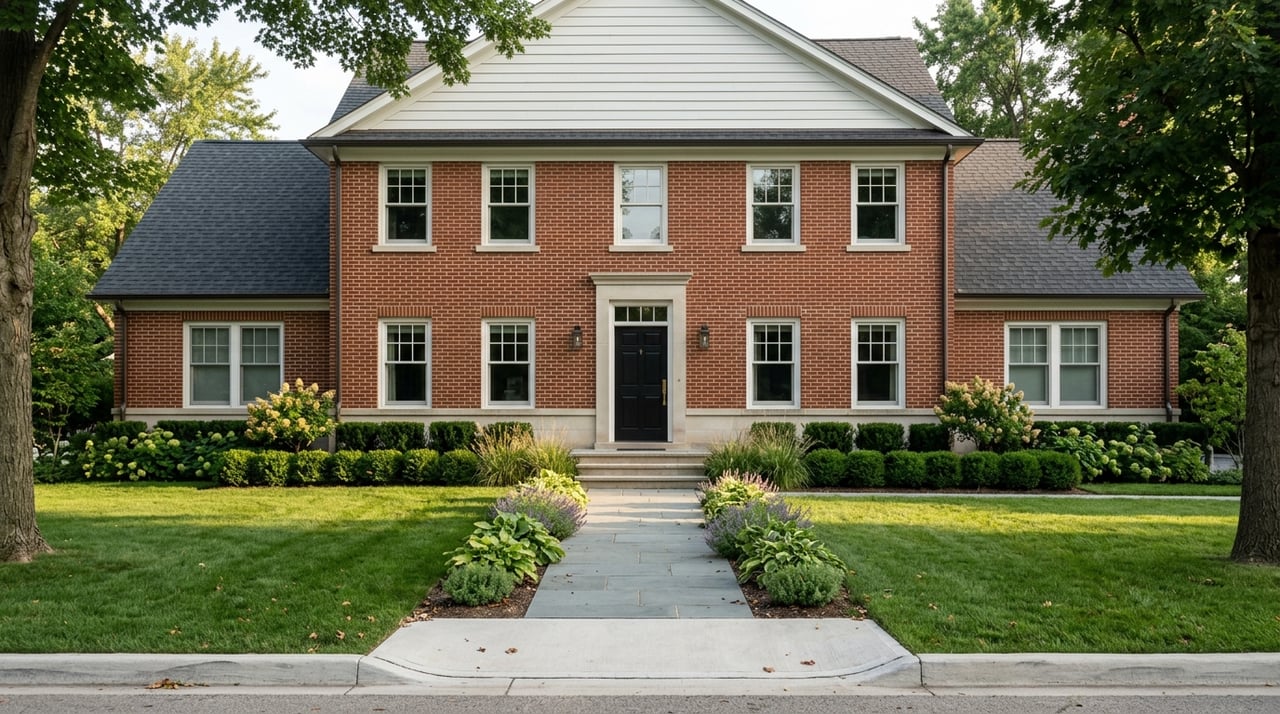
Smaller single-family homes
- Pros: Full independence, private yard, and strong resale appeal to a broad buyer base. You keep the feel of a house with less space to manage.
- Cons: Ongoing exterior and yard maintenance, plus generally higher utilities than a condo or many townhomes.
Senior-oriented or 55-plus communities
- Pros: Age-targeted services, social programming, and homes designed with accessibility in mind.
- Cons: Eligibility rules and unique fee structures. Review community policies and costs carefully.
What to know about condos and HOAs
The strength of the association matters for both your lifestyle and future resale. Look for adequate reserves, reasonable delinquencies, up-to-date maintenance, and no pending litigation. Ask about any planned projects and whether special assessments are on the horizon. Confirm what the building’s master insurance policy covers and where your personal policy fills the gaps.
Owner-occupancy ratios and overall project health can affect mortgage options. Some lenders prefer buildings with higher owner-occupancy and strong reserves. If you plan to finance your purchase, get this information early, since it can shape both your options and bargaining power.
The emotional and legacy side
Honor your story
Leaving a long-time home is a meaningful transition. Consider documenting the property with photos or a short video, and note special memories attached to rooms or outdoor spaces. A simple farewell gathering can help you and your family say goodbye in a positive way.
Family conversations
Talk early with adult children about heirlooms and significant items. Create a written inventory to guide decisions and reduce conflict. For high-value pieces, professional appraisals can help align expectations.
Thoughtful letting go
Use a simple system: Keep, Sell, Donate, Store. Estate sales, consignment, and auctions can help place items with new owners. Local charities may offer pickup for larger donations. Professional organizers or senior move managers can reduce stress and keep the process moving.
A step-by-step plan and timeline
1) Financial planning and decision point, 2 to 6 weeks
- Meet with a local agent for a CMA and strategic pricing discussion.
- Review capital gains and Illinois state tax considerations with your CPA.
- Decide whether to sell first or buy first, and explore bridge financing or a sale contingency if needed.
2) Home assessment and priority repairs, 2 to 8 weeks
- Order a prelisting inspection to find safety or code issues.
- Address roof, HVAC, electrical, or plumbing items that may concern buyers.
- Make strategic cosmetic updates such as paint, decluttering, deep cleaning, and curb appeal.
3) Downsizing logistics and legacy, 2 to 6 months in parallel
- Inventory belongings and assign categories.
- Invite family to select heirlooms with a written record.
4) Listing and marketing, 4 to 12 weeks typical to closing
- Stage the home and invest in professional photography and floor plans.
- Prepare disclosures and gather permits, warranties, and service records.
- Negotiate offers with timing tools such as rent-back or preferred closing dates.
5) Purchase and move coordination
- For condos or HOAs, review association financials, minutes, insurance, and any pending assessments.
- Schedule movers, storage if needed, and utility transfers. Notify medical providers and subscription services.
- Delay major purchases until after move-in to reduce moving volume.
6) After closing
- Keep digital and physical records for tax and estate planning.
When to list in Glencoe
Spring and early summer often bring more listings and buyers. That said, premium properties in desirable North Shore suburbs can sell throughout the year. Interest rates and financing conditions can influence demand, especially for condos and townhomes, so review current local data with your agent to time your move.
How we help you downsize with confidence
A successful downsizing sale balances presentation, pricing, and timing. You benefit from a team that understands Glencoe’s buyer profile and how to market larger homes for premium results. A presentation-first approach, including in-house staging and thoughtful home makeovers, helps your property shine and attracts the right buyers.
Hands-on guidance is just as important. Personalized showings, clear communication, and consultative valuation give you confidence at each step. Strategic distribution through established luxury channels can expand reach while you work with a boutique, relationship-focused team.
Your next step
If you are considering a move from a Glencoe estate to a condo, townhome, or smaller house, start with a clear plan. Review your likely net proceeds, decide on buy-first or sell-first, schedule a prelisting inspection, and outline your downsizing timeline. When you are ready to talk, request a private conversation with Jody Dickstein to map the best path for your goals.
FAQs
How do I estimate net proceeds from selling my Glencoe home?
- Start with a CMA to gauge sale price, subtract your mortgage payoff, and plan for about 6 to 10 percent in typical seller costs plus any repairs and carrying costs.
Should I sell first or buy first when downsizing in Glencoe?
- Selling first reduces financial uncertainty, while buying first can help you avoid temporary housing, so consider local inventory, your flexibility, and financing tools such as bridge loans or contingencies.
What ongoing costs should I expect in a condo or townhome?
- Expect HOA dues that may include exterior maintenance, landscaping, snow removal, common insurance, and reserves, plus your unit insurance, utilities, and property taxes.
What condo association documents should I review before buying?
- Review financial statements, budgets, reserves, meeting minutes, master insurance policy, rules, and any planned projects or pending special assessments.
How can I handle heirlooms and personal items during downsizing?
- Create a written inventory, discuss priority items early with family, and use a Keep, Sell, Donate, Store system, bringing in organizers or estate sale professionals as needed.
When is the best time to list a larger home in Glencoe?
- Spring and early summer often see stronger activity, but well-presented premium properties can sell year-round, so align timing with your goals and current local data.