Torn between a Winnetka lakefront address and a walk-to-town street? You are not alone. Both sides of the village offer beautiful homes and strong long-term appeal, but the daily rhythm, price dynamics, and ownership responsibilities are very different. In this guide, you will compare lifestyle tradeoffs, see how pricing really works, and get a simple framework to choose with confidence. Let’s dive in.
Lakefront vs in-town: what life feels like
Lakefront living on Sheridan and the bluff blocks
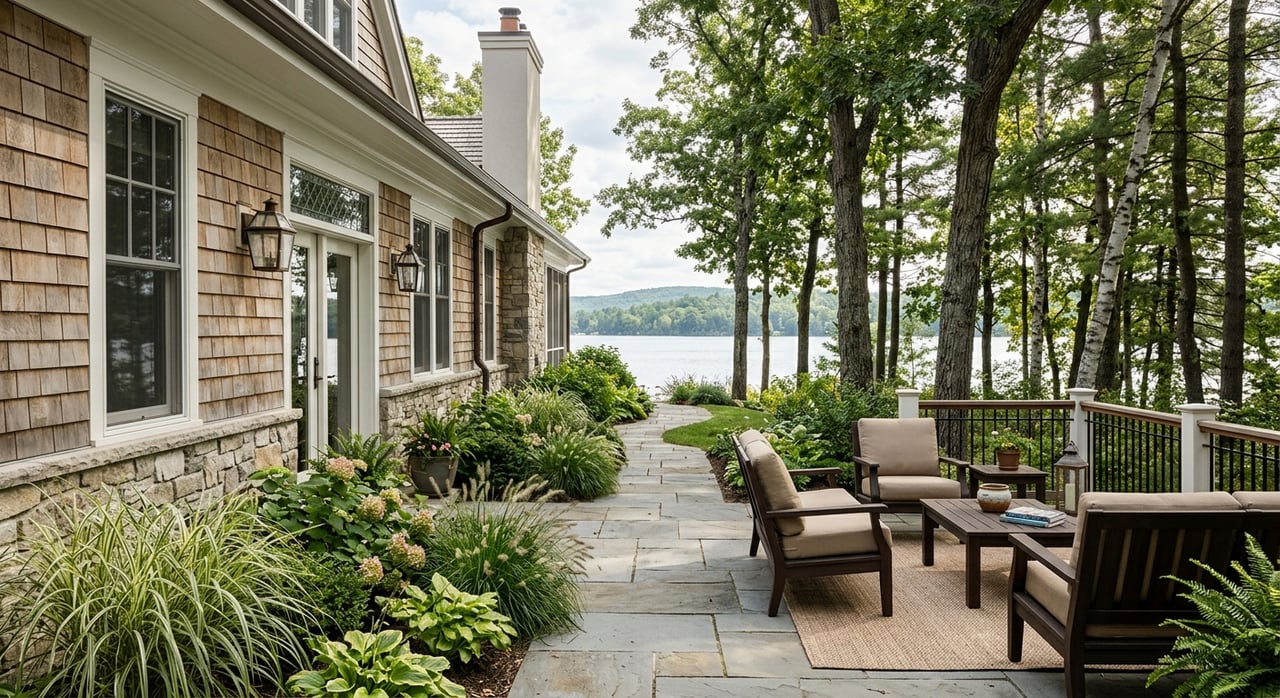
If your non-negotiable is waking up to blue water, lakefront living is hard to beat. You get immediate access to the shoreline, larger lots, and a sense of privacy that is rare. Public beach management and shoreline projects are often handled by the Park District and other agencies, which can affect access and construction timelines on or near the beach. Recent Park District actions, including lakefront property acquisitions that connect public beaches, illustrate how these plans can shape use over time. You can read more background in this local report on beach acquisitions and planning by the Park District of Winnetka.
- Daily upside: uninterrupted lake views, direct waterfront recreation, estate-scale lots, and a rare-asset prestige factor.
- Daily tradeoffs: fewer short walks to a concentrated set of shops and cafes, and tighter permitting for shoreline-related work.
For context on how the village is organized and why these patterns exist, review the business districts and neighborhood structure in the village’s Futures 2040 Plan.
In-town and west of Green Bay Road
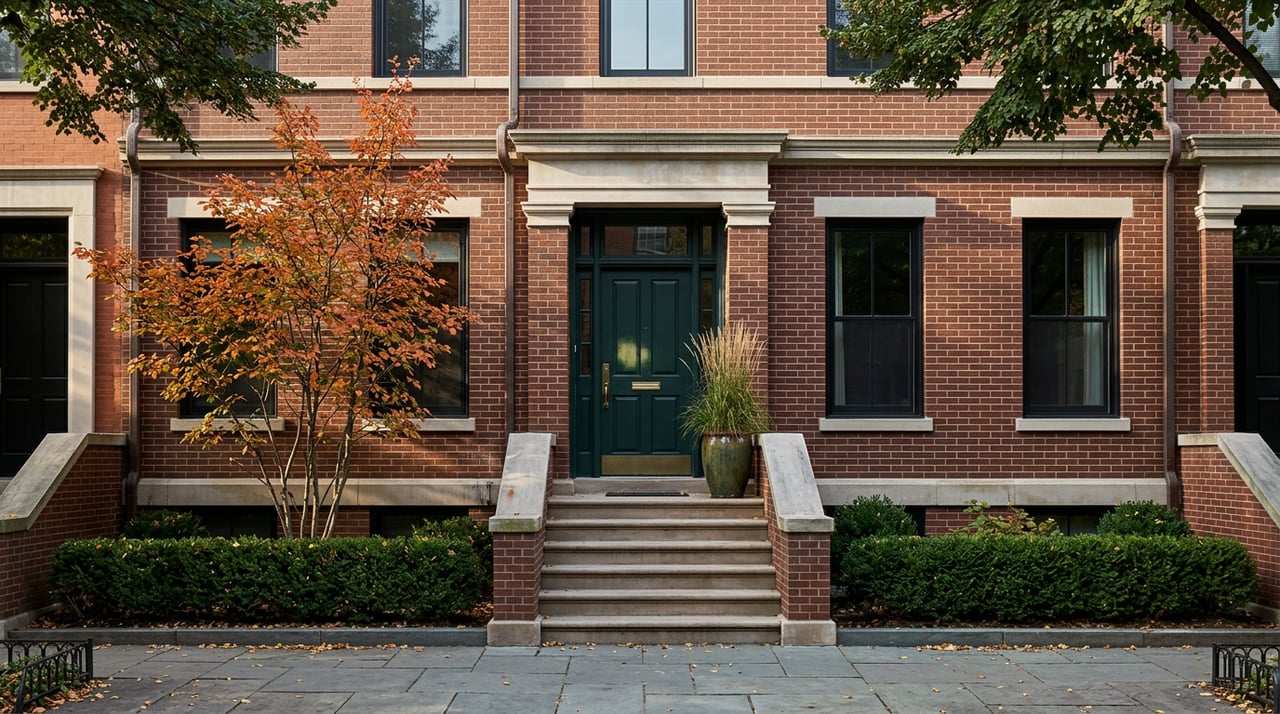
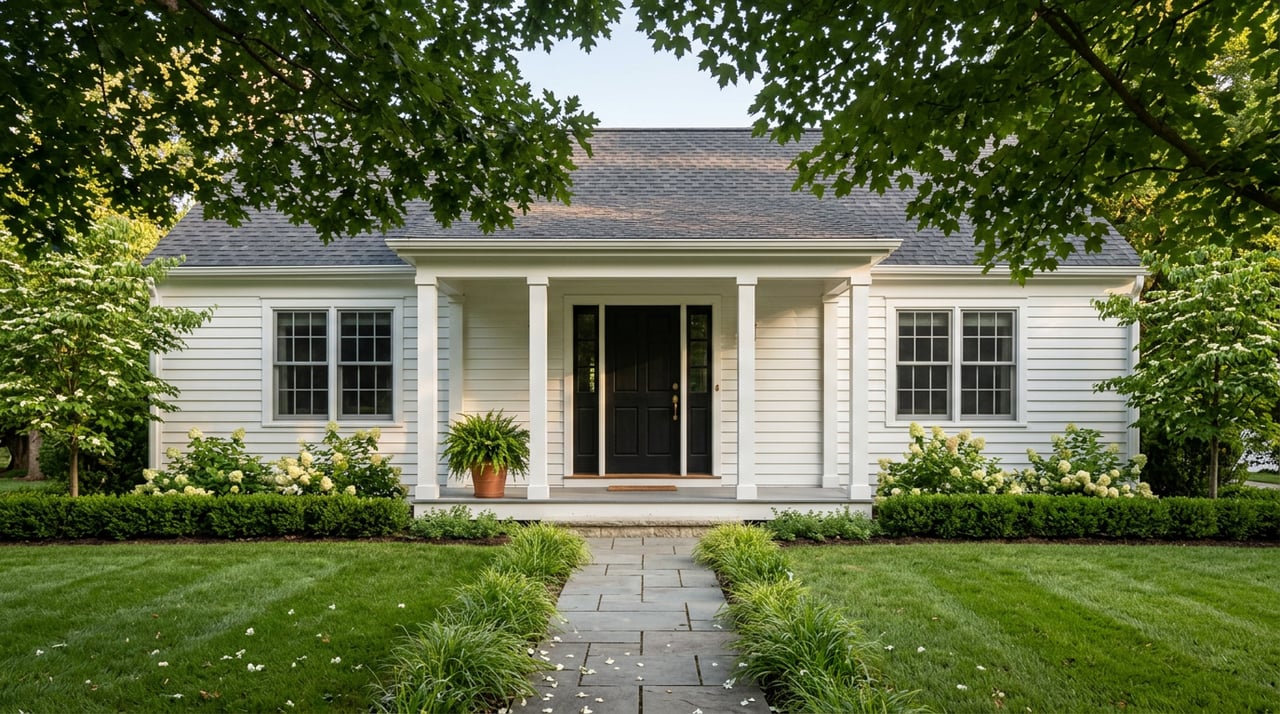
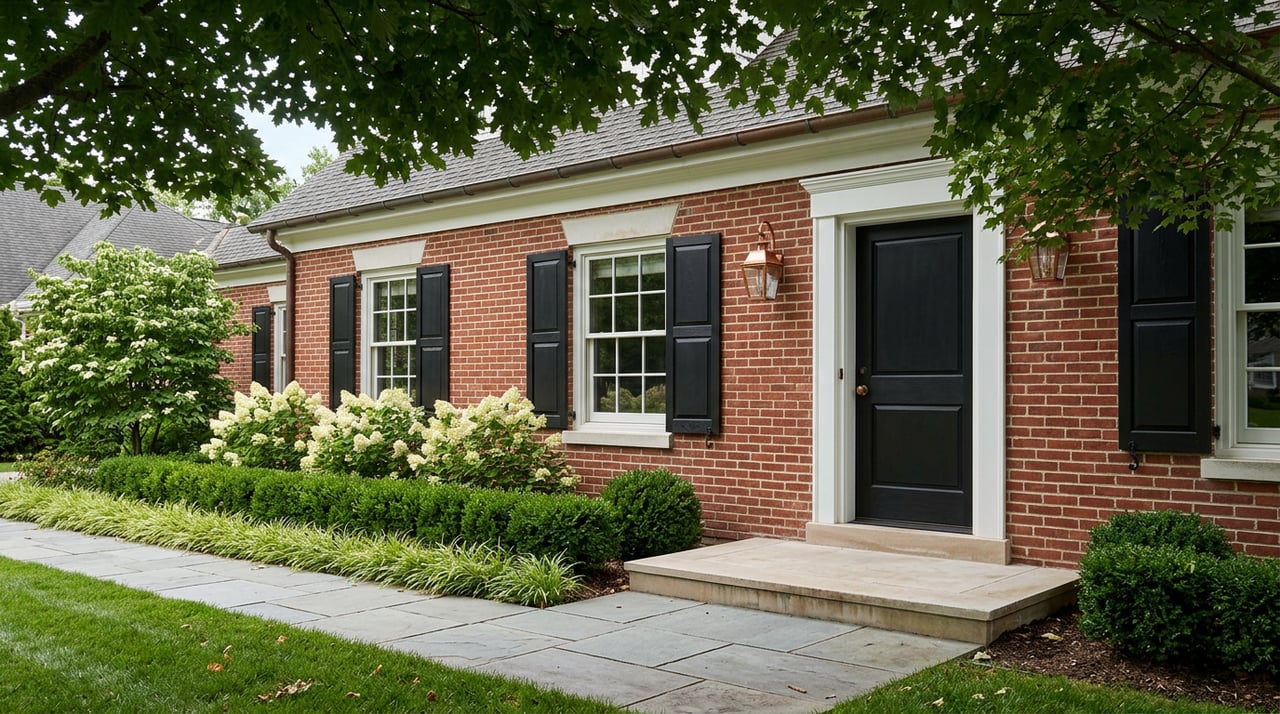
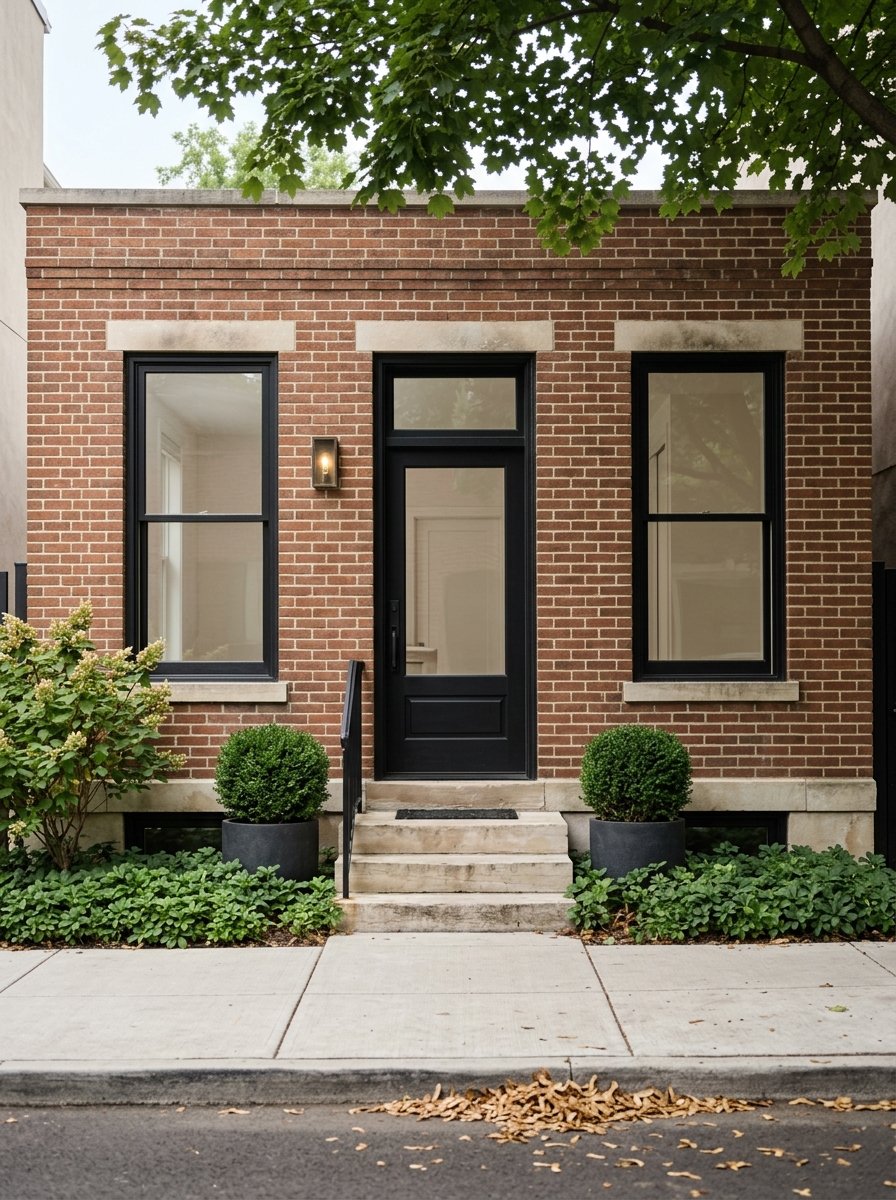
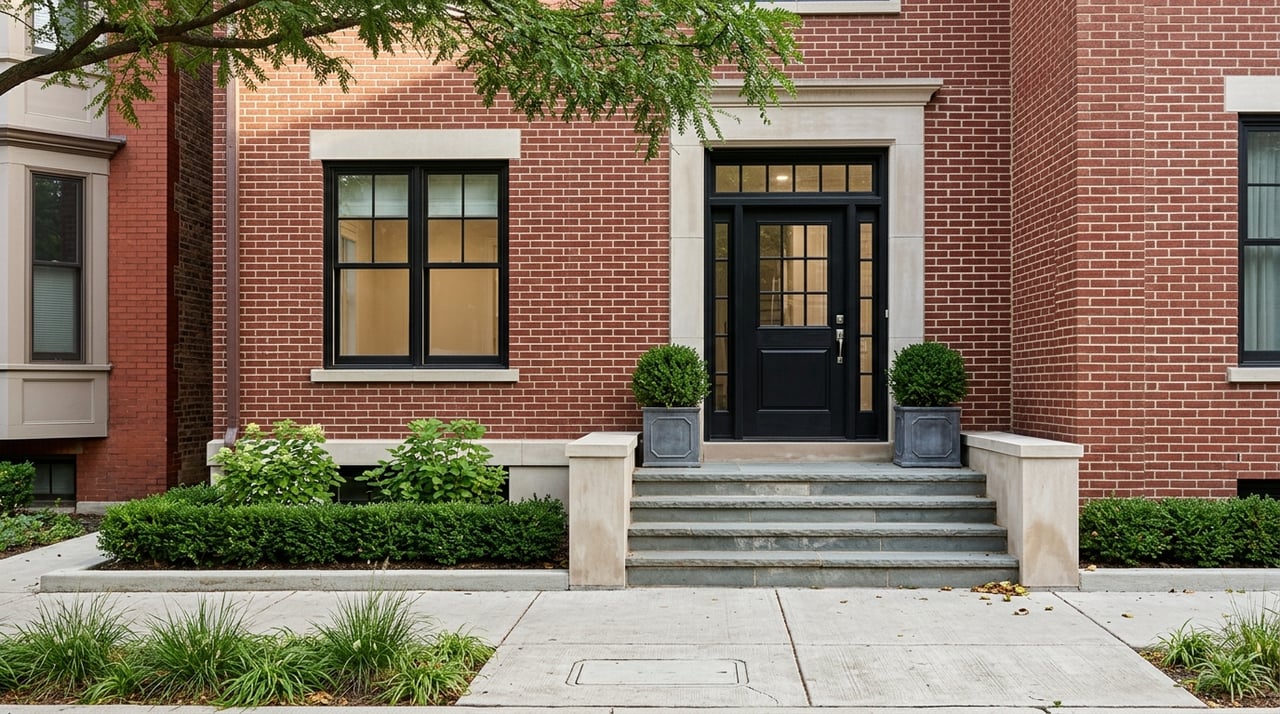
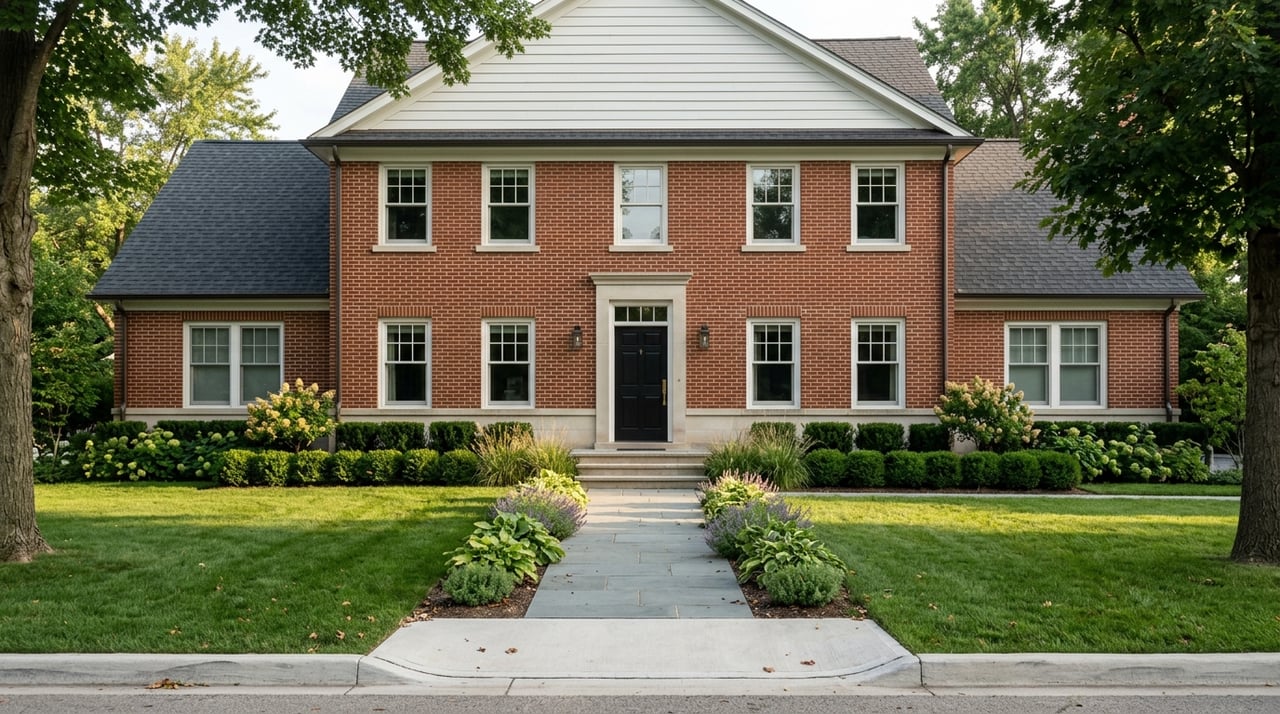
If you value convenience, in-town Winnetka sets you up for short walks to coffee, dining, services, and the Metra. The Elm Street downtown, Hubbard Woods, and Indian Hill centers create genuine daily walkability. Lots tend to be smaller than lakefront parcels, but still generous by many suburban standards, and you will find a broader range of home sizes and price points.
- Daily upside: quick errands, school walking routes, and easy rail access.
- Daily tradeoffs: more neighborhood activity and typically smaller yards than the lakefront estates.
The village’s plan identifies three walkable business districts and the Green Bay Road corridor as commercial anchors, which is a key reason the in-town experience feels different from the lakefront.
Pricing realities and how to read them
Winnetka is a high-value North Shore market. Different data providers report different figures, so always note the source and the date:
- Redfin reported a median sale price around $1.925M in February 2026.
- Zillow’s ZHVI for 60093 showed a typical home value near $1.46M as of February 28, 2026.
- Realtor.com’s late 2025 snapshot showed a median listing price near $2.05M with price per square foot around $461.
Two important notes for your expectations:
- Short-term medians can swing because a small number of ultra-high lakefront closings can pull village-wide numbers up. In 2025, multiple Sheridan Road estates reportedly closed above $30M, including examples at 609 and 419 Sheridan. These rare sales are meaningful, but they do not set the value of every block. A local report on 2025 market activity explains how such outliers skew averages and why block-level comps matter.
- Typical ranges vary by location and condition. In-town, renovated single-family homes commonly trade in the $1M to $3M band, while close-in, lake-adjacent homes often start in the high $2Ms and rise from there. Full waterfront estates range from multi-million to tens of millions, reflecting lot size and lake frontage scarcity.
Inventory has been tight across the North Shore, so well-priced, well-located homes can attract multiple offers. Budget with that tempo in mind and ask for the most recent micro-comp set by street, not just village-wide medians.
Lots, zoning, and neighborhood character
Lot size expectations by district
Winnetka’s residential zoning sets minimum lot sizes that vary widely by district. The village’s zoning map shows minimum lot areas that range roughly from about 8,400 square feet to about 50,400 square feet, depending on the zone. Larger-lot districts are more common near the lakefront, which is one reason lakefront estates command such premiums. Before you write an offer, confirm the parcel’s zoning, setbacks, buildable area, and any steep-slope or bluff-related rules on the official zoning map.
Architecture and setting
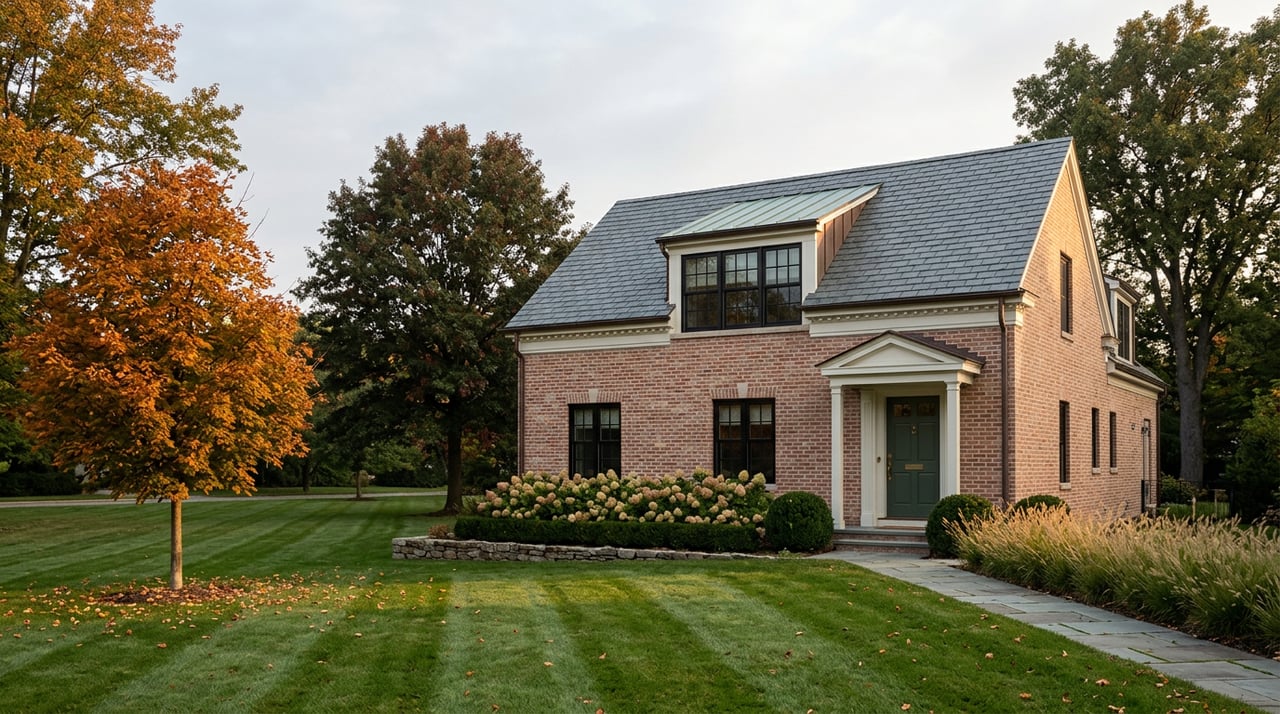
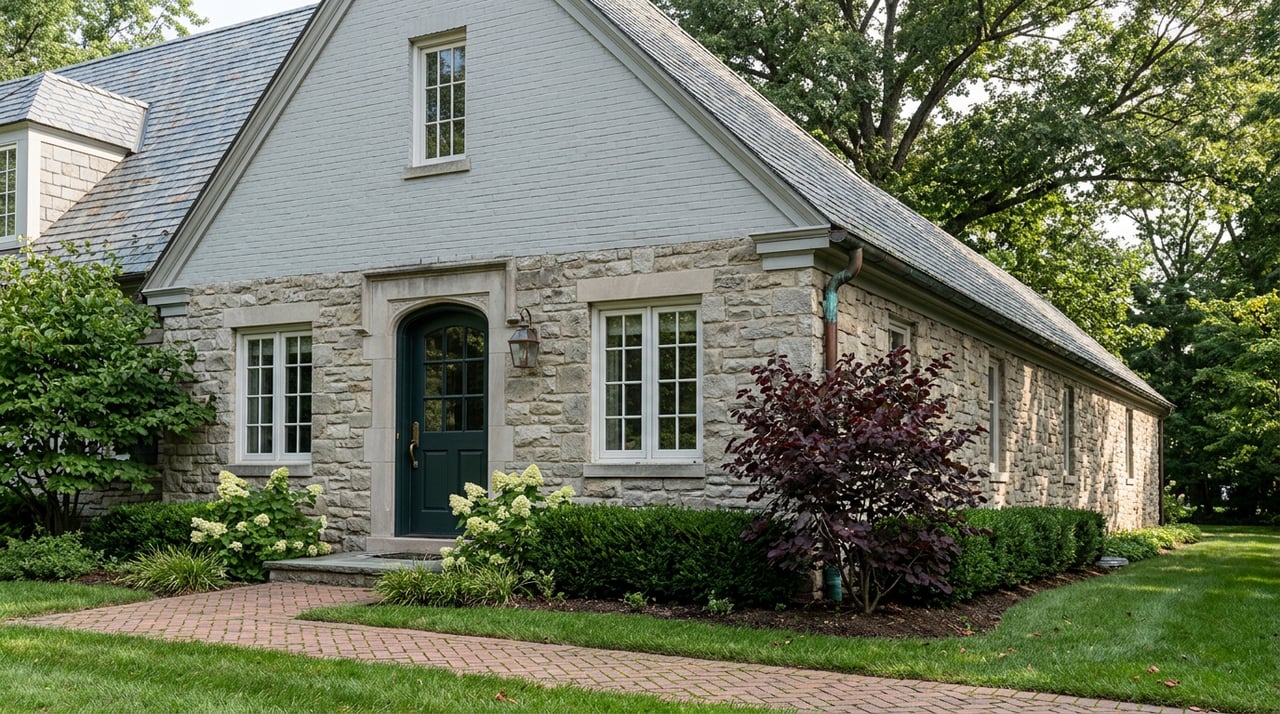
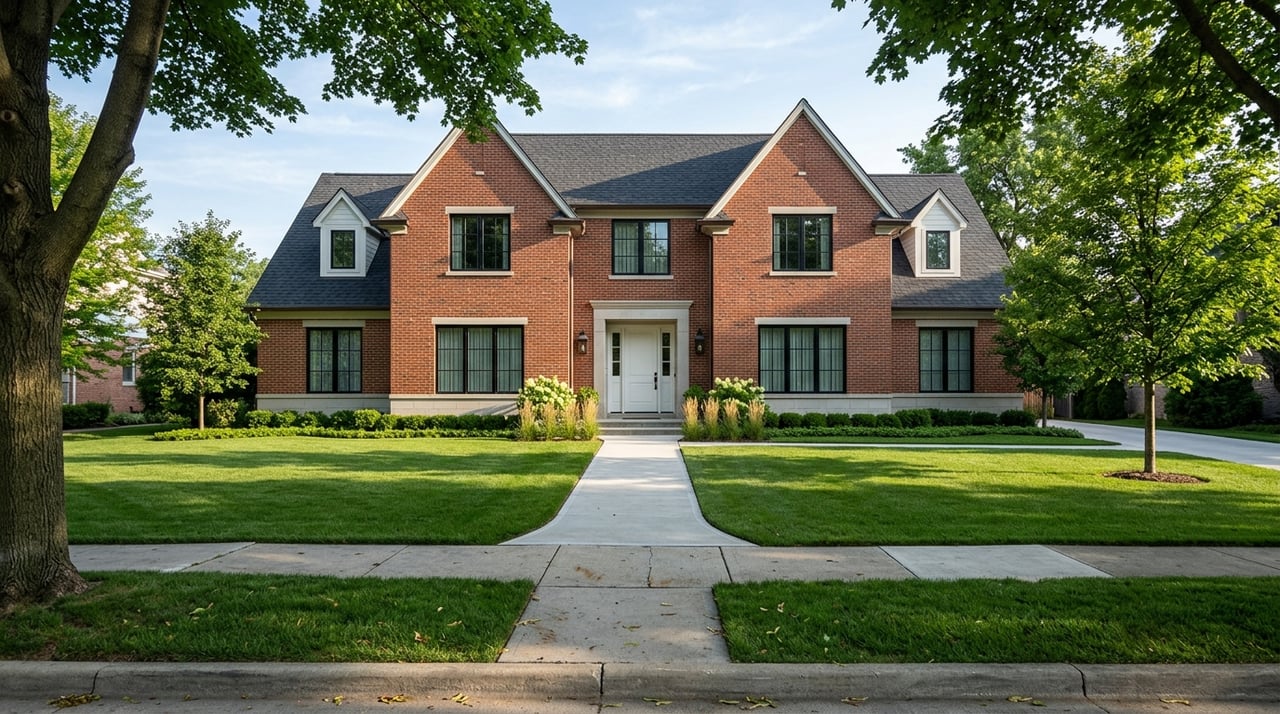
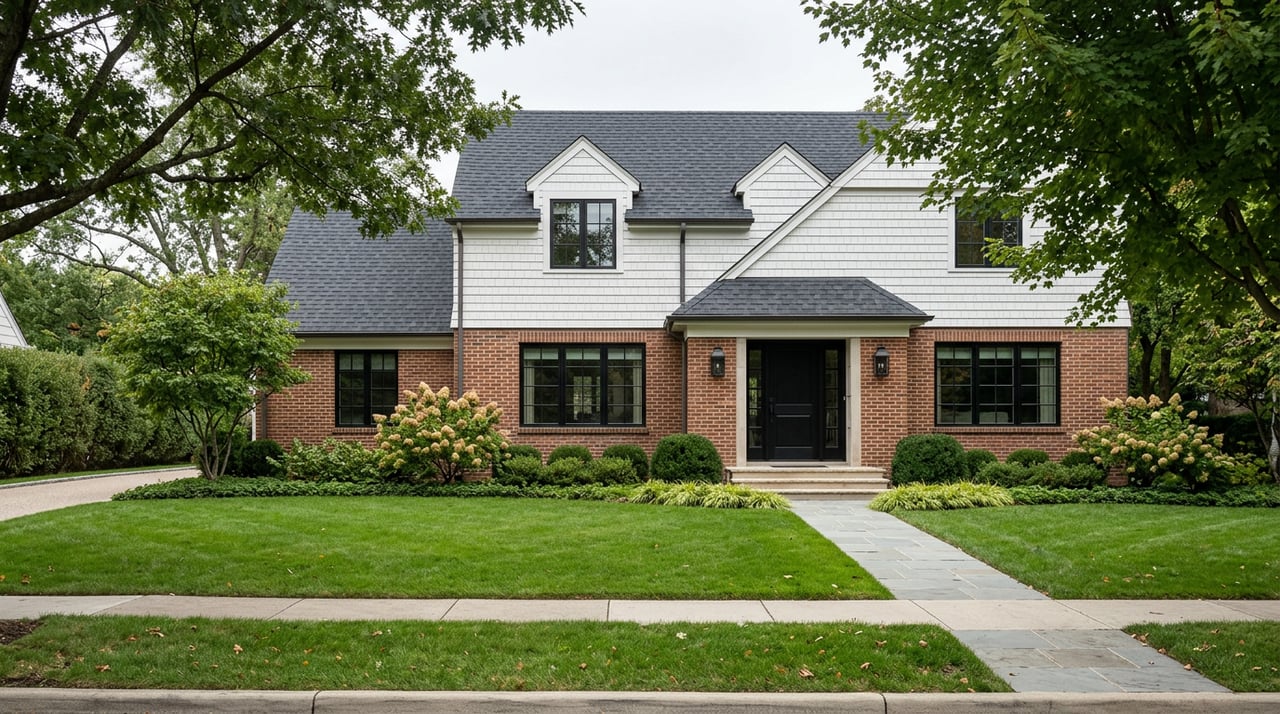
Across Winnetka you will find a mix of early to mid-20th-century styles, including Tudor Revival, Colonial Revival, Prairie School, and Craftsman influences, alongside thoughtfully updated homes and occasional modern replacements on premium lots. Street-by-street character is part of the appeal. If you value continuity, ask your agent to review any nearby subdivision or consolidation activity on record with the village.
Schools, walkability, and transit
Winnetka Public Schools, District 36, serves grades K–8, and New Trier Township High School serves grades 9–12. Proximity to specific schools is a common driver of interest for many buyers, so verify attendance areas directly with the district’s registration resources. Day to day, the three in-town districts offer very practical access to errands and the Metra. The Union Pacific North line stops at Hubbard Woods, Winnetka/Elm Street, and Indian Hill, with inbound trip times that typically run about 30 to 45 minutes to downtown depending on the train. Check the current schedule before you plan a commute.
Risks and rules to factor in
Shoreline and bluff considerations
Lake Michigan’s shoreline is dynamic. Some parcels may fall within flood insurance study zones as mapping evolves. Shoreline protection and bluff stabilization can be significant long-term costs, and projects often require permits from multiple agencies. It is wise to conduct parcel-specific checks using the latest flood insurance resources and engage specialists when evaluating bluff conditions. Regional hazard planning materials outline how wave action and coastal processes shape risk, which is useful context for your due diligence.
Lot consolidation and major builds
Winnetka has taken steps to regulate large lot consolidations through special-use review after high-profile mega-build proposals. If you are considering a property that spans multiple parcels, or you plan to combine lots, expect a higher level of scrutiny and a public process. You can read a summary of the policy shift here.
Insurance and maintenance
Lakefront ownership can mean higher maintenance due to exposure and potential premium pricing for flood or specialized coverage. Build an insurance and maintenance allowance into your budget from the start. Regional planning guidance highlights why exposure and wave action change risk profiles for waterfront homes.
Public access and easements
Public beach plans, easements, or exchanges with the Park District can shape shoreline access and boundaries along Sheridan Road. Before you close on a lakefront parcel, verify any recorded easements, Park District agreements, and upcoming shoreline work that could affect access or privacy. A recent local report offers helpful history on public beach connections and acquisitions.
Which address fits you? A simple decision framework
Use this five-step process to narrow your search with clarity:
- Step 1 — Prioritize. List your top five non-negotiables. Examples: lake view, short school walk, under 35-minute rail commute, finished yard, room for a pool.
- Step 2 — Budget banding. Decide your realistic purchase band using current, block-level comps. Be sure to include a line item for potential shoreline maintenance and insurance if you are targeting waterfront.
- Step 3 — Test drives. Visit candidate streets at morning, afternoon, and evening. Ride the exact Metra train you would use and note parking, timing, and platform access.
- Step 4 — Technical checks. Order a topographic survey, review flood insurance maps, and document shoreline or erosion history for bluff parcels. Plan a thorough home inspection that covers structural and systems exposure.
- Step 5 — Regulatory and title. Confirm zoning district, setbacks, any steep-slope rules, recorded easements, and whether any special-use or consolidation history applies. For complex lakefront cases, consult a local land-use attorney.
Helpful resources for your due diligence:
- See how the village organizes commercial centers and mobility in the Futures 2040 Plan.
- Check your parcel’s zoning district and standards on the Village Zoning Map.
- Verify school registration details through District 36’s registration page.
- Review current UP-N train schedules before timing your commute.
- Read a market note on how rare lakefront sales can skew averages and why block-level comps matter.
- Explore the policy update that tightened lot consolidation rules.
- Learn more about shoreline risk dynamics and planning in regional hazard materials.
- Confirm how flood map updates are administered for Cook County communities.
- Review Park District beach planning context and past lakefront acquisitions.
Quick buyer checklist for tours
- Stand on the block and listen. Do you hear trains, traffic, or wave action during onshore winds?
- Trace your walk to coffee, groceries, parks, and school. Time it both ways.
- Look for drainage patterns and retaining walls. On bluff lots, ask for recent engineering.
- Confirm driveway access, parking, and snow storage.
- Note setbacks, tree canopy, and nearby construction that could change the feel of the street.
Choosing between lakefront and in-town in Winnetka is not about right or wrong. It is about aligning your daily life with the setting that serves you best. If you want a calm, consultative perspective on block-level tradeoffs and current comps, connect with Jody Dickstein for a private conversation.
FAQs
What is the current median price in Winnetka?
- Providers report different figures. Recent snapshots include a median sale price around $1.925M by Redfin in Feb 2026, Zillow’s typical value near $1.46M as of Feb 28, 2026, and Realtor.com’s late 2025 median listing near $2.05M. Rare lakefront sales can skew short-term medians.
How long is the Metra commute to downtown Chicago from Winnetka?
- On the Union Pacific North line, inbound trips from Winnetka stations generally run about 30 to 45 minutes depending on the train. Verify timing on the current schedule.
What should lakefront buyers check before making an offer?
- Order a topographic survey, review current flood insurance maps, confirm shoreline and bluff conditions, and ask about required permits for any shoreline work. Include insurance quotes and a specialized inspection in your due diligence.
How do Winnetka lot sizes vary by neighborhood?
- Minimum lot sizes vary significantly by zoning district, from roughly 8,400 square feet to about 50,400 square feet. Confirm your parcel’s district, setbacks, and buildable area on the Village Zoning Map.
Are public beaches or easements a concern for private lakefront parcels?
- They can be. Verify any recorded easements, Park District agreements, and planned shoreline projects that touch the parcel. Local reporting on past beach acquisitions provides helpful context.