If you want a Chicago neighborhood where your building, your dinner plans, and your daily routine all feel connected, West Loop is hard to ignore. This is a place where loft character meets polished condo living, and where a quick walk can take you from coffee to coworking to one of the city’s best-known restaurant streets. If you are weighing a move to West Loop or trying to picture what loft living really feels like here, this guide will help you understand the rhythm of everyday life. Let’s dive in.
Why West Loop Loft Living Stands Out
West Loop still reflects its industrial roots, and that history shapes the area’s housing in a real way. According to WBEZ’s look at the West Loop boom, developers began converting former industrial buildings into high-end lofts in the 1980s, which helps explain why many homes here feel more architectural and design-driven than standard city condos.
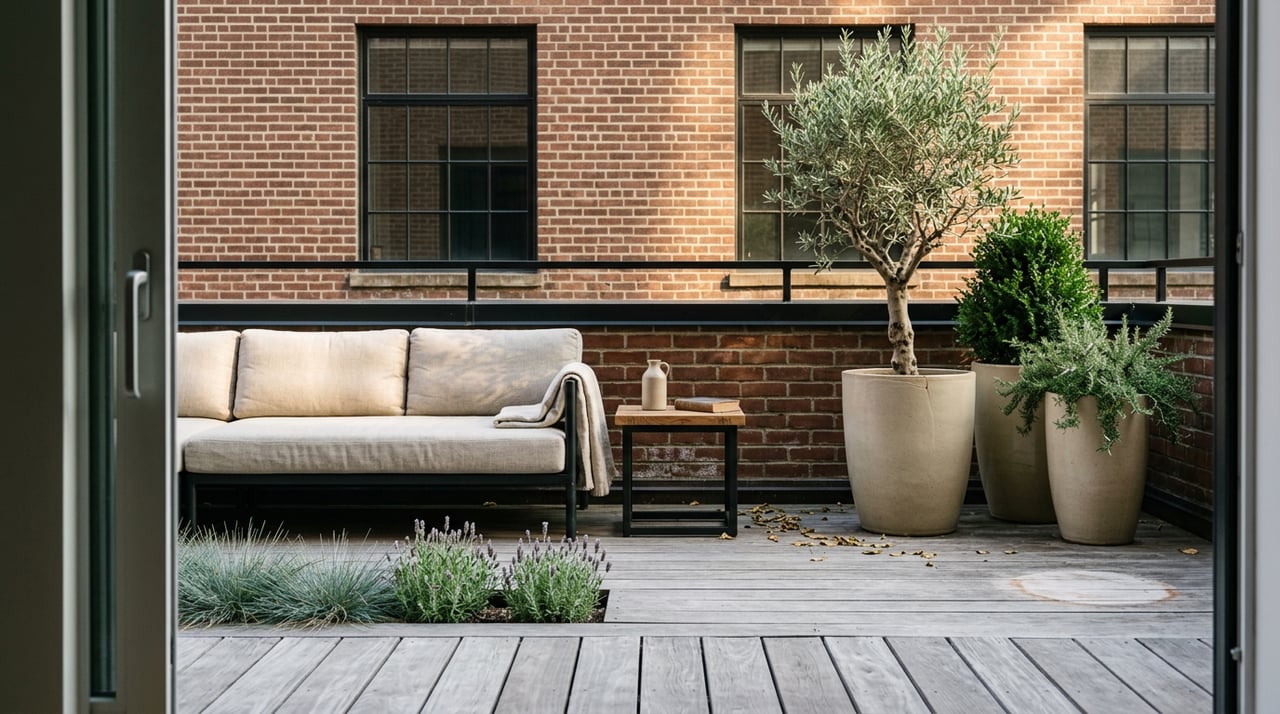
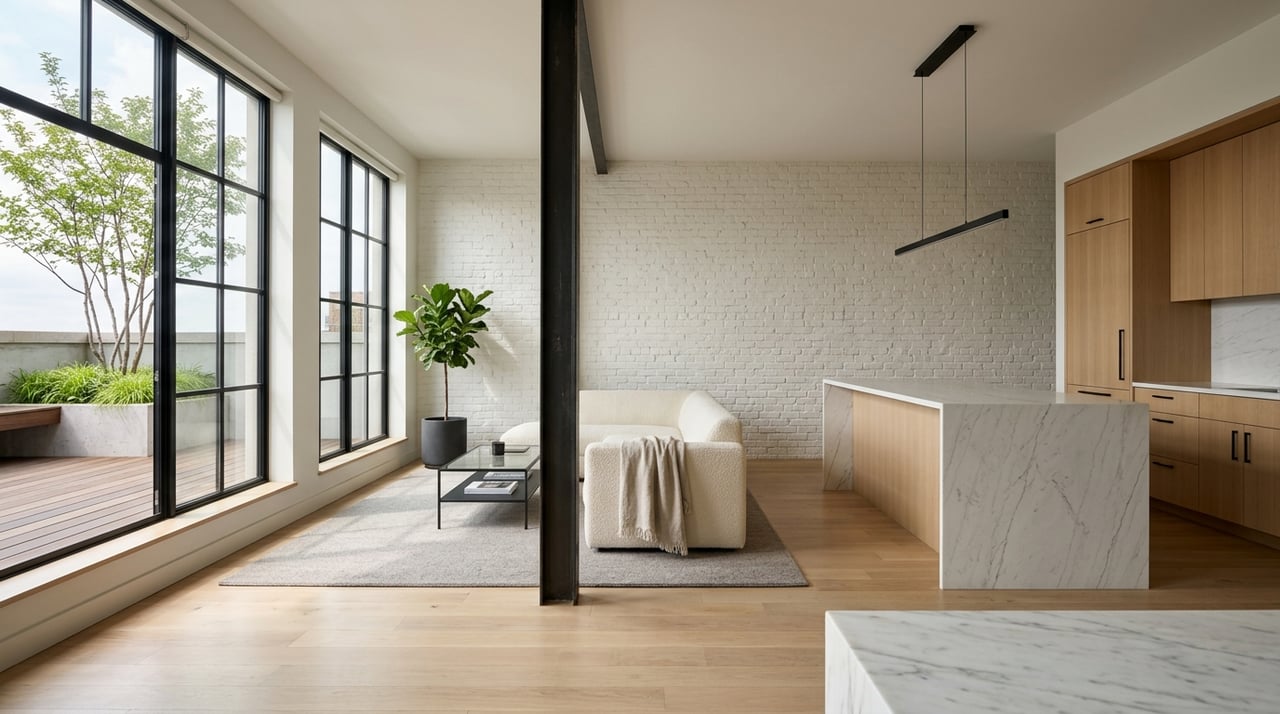
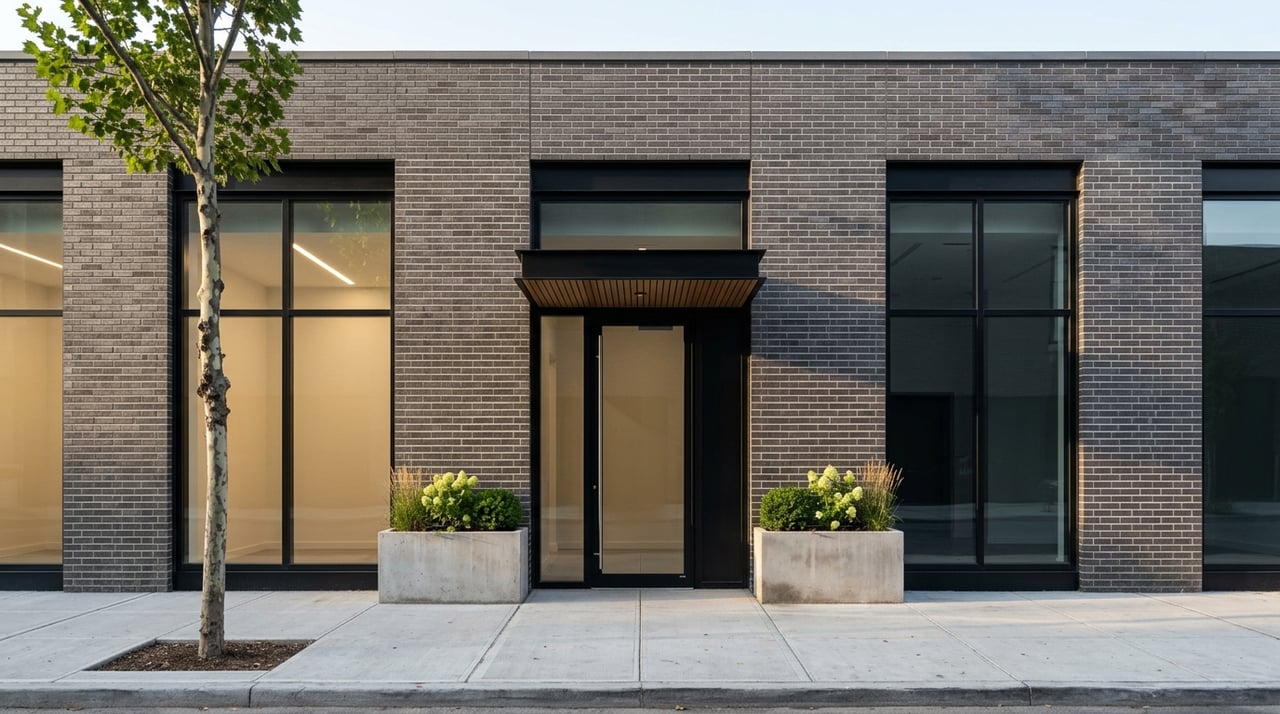
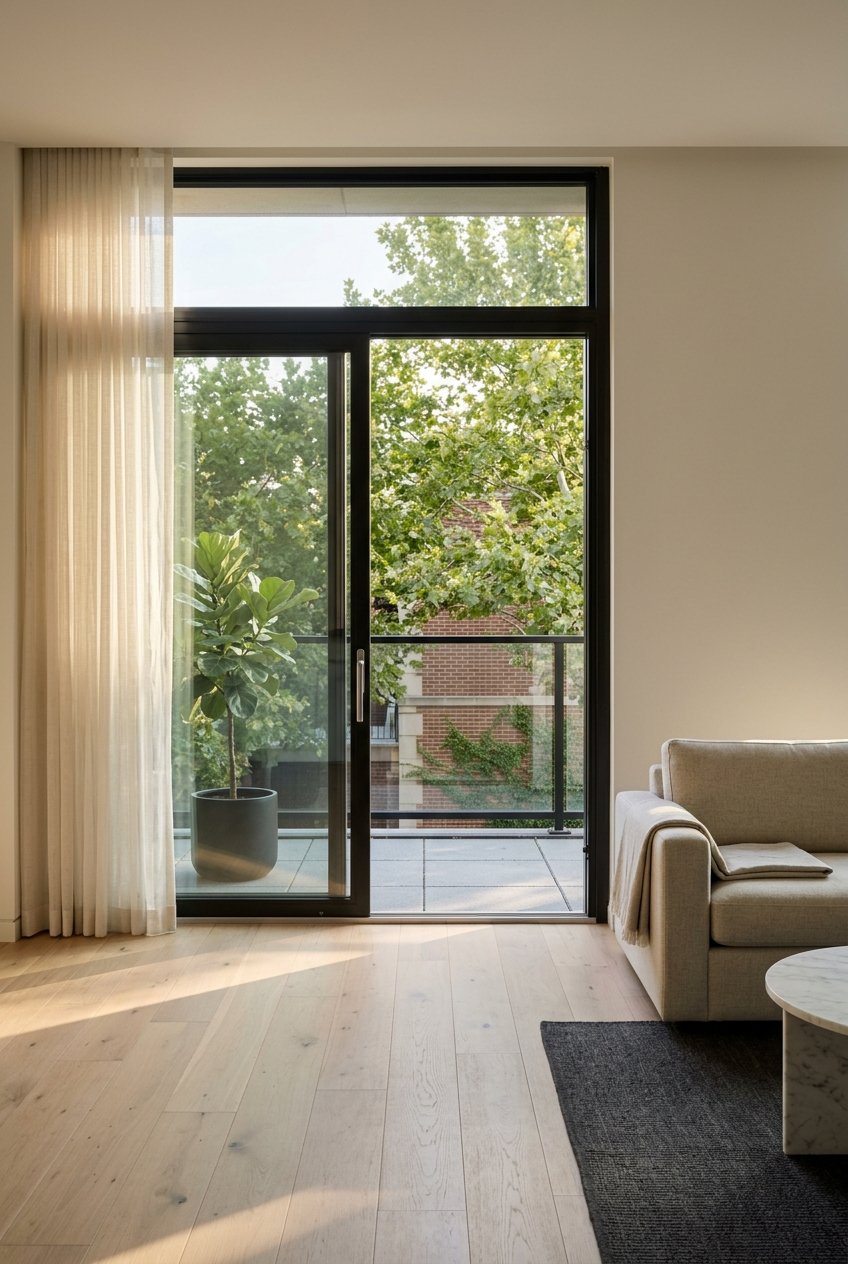
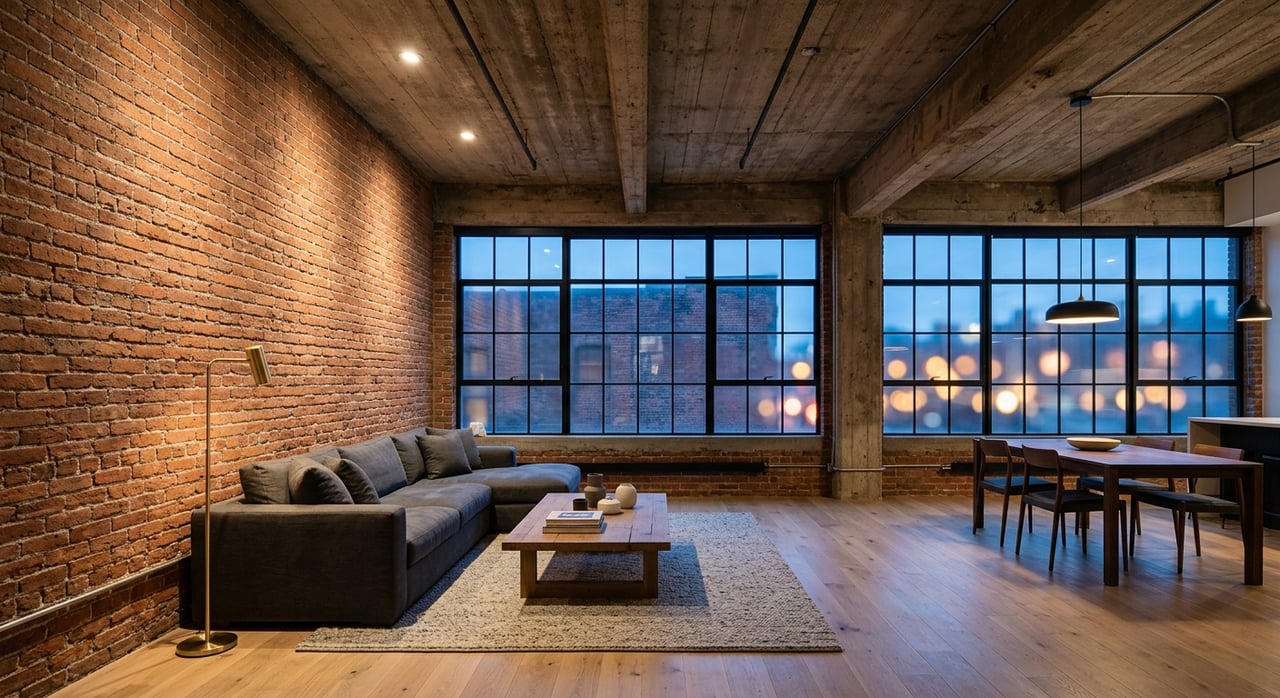
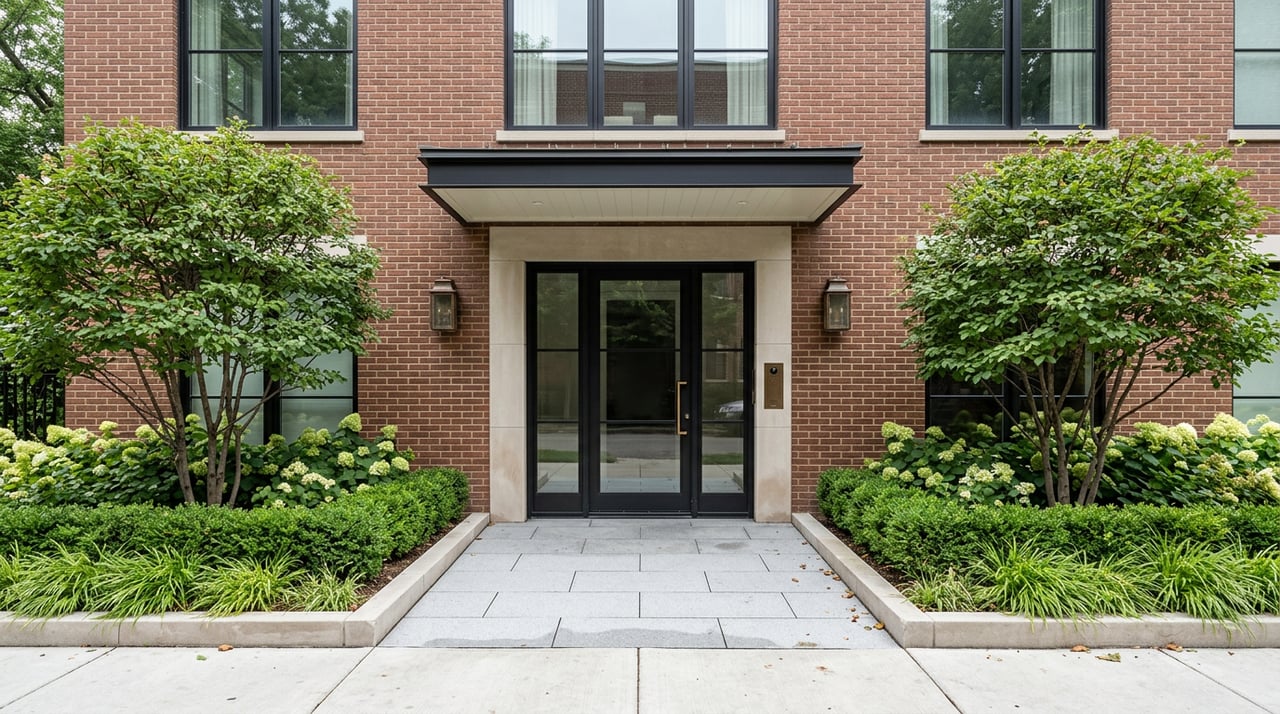
That legacy shows up in exposed brick, concrete, timber, oversized windows, and open layouts. At the same time, many current buildings also lean into a more full-service lifestyle with amenities like rooftop decks or pools, fitness and yoga studios, resident lounges, coworking space, and dog runs. For buyers who want both character and convenience, that combination is a major part of the appeal.
What Everyday Life Feels Like
Daily life in West Loop is built around movement on foot. In Redfin’s walkability roundup, the neighborhood earns a Walk Score of 96, which reflects how easy it is to reach restaurants, bakeries, delis, shops, and other day-to-day stops without relying heavily on a car.
That walkable setup changes how you experience the neighborhood. Instead of planning your day around long drives, you can often step outside and get where you need to go quickly. For many residents, that means a lifestyle that feels active, efficient, and more connected to the city around them.
Transit Is a Big Part of the Appeal
West Loop also works well if your routine goes beyond the neighborhood. The CTA Morgan station serves the Green and Pink lines, giving you direct rail access nearby, while Ogilvie Transportation Center serves Metra’s UP-N, UP-NW, and UP-W lines.
That matters if you travel often, commute to other parts of Chicago, or need regional access. The neighborhood also benefits from proximity to I-290, which the Illinois Department of Transportation identifies as a primary corridor linking the western suburbs to the Loop and broader employment centers. For buyers trying to balance downtown living with suburban connections, West Loop offers unusual flexibility.
Parks and Outdoor Space
West Loop is not defined by sprawling green space, but it does have well-used parks that add a lot to day-to-day living. Mary Bartelme Park at 115 S. Sangamon includes a fountain plaza, open lawn, children’s play area, viewing hill, native landscaping, and a sunken dog park.
That kind of park fits the neighborhood well. It gives residents a place to meet friends, walk the dog, spend time outside, or simply take a break from the pace of city blocks and busy streets.
For larger recreation space, Union Park offers 13.77 acres with a fieldhouse, gymnasium, fitness center, pool, playgrounds, sports courts, and event programming. In practical terms, West Loop’s outdoor life is less about vast parkland and more about thoughtfully programmed neighborhood spaces that people actually use.
Dining Is the Signature Lifestyle Feature
If one thing defines West Loop living, it is dining. Choose Chicago describes West Loop as a foodie mecca, and that reputation shapes everyday life as much as the housing does.
Randolph Street’s Restaurant Row is the headline draw, with options ranging from tasting menus to ramen, sandwich shops, and long-established favorites. Choose Chicago highlights names like Green Street Smoked Meats, avec, Momotaro, Monteverde, and Girl & The Goat, while Greektown adds bakeries, tavernas, and delis that broaden the neighborhood’s dining identity.
For residents, this means food is not just an occasional perk. It becomes part of your weekly routine. Whether you are meeting clients over dinner, grabbing lunch between meetings, or heading out for a low-key weeknight meal, you have an unusually deep mix of options close to home.
Fulton Market Adds Energy
Fulton Market adds another layer to the experience. It helps make West Loop feel current, creative, and active throughout the week, not just on weekends. The area’s mix of restaurants, offices, hospitality, and design-forward spaces supports a neighborhood rhythm that feels lively without being one-note.
That also helps explain why West Loop appeals to professionals who want more than a place to sleep between workdays. You are buying into a daily environment where dining, social life, and convenience are closely linked.
Nightlife Feels Social, Not One-Dimensional
West Loop nightlife tends to center on gathering, patios, rooftops, and post-dinner energy rather than a club-only scene. Choose Chicago’s neighborhood guide points to experiences like rooftop movies at The Emily Hotel, patio music and winter curling at Kaiser Tiger, and the neighborhood’s broader rooftop and beer-garden culture.
That distinction matters if you want nightlife that feels easy to enjoy regularly. In West Loop, going out often looks like dinner that turns into drinks, a rooftop stop with friends, or a relaxed outdoor gathering rather than a highly planned late-night event.
For many buyers, that social style is part of the neighborhood’s long-term appeal. It feels polished and energetic, but still practical enough to fit into real life.
Who West Loop Often Fits Best
West Loop can work for many kinds of buyers, but a few lifestyle profiles tend to line up especially well with what the neighborhood offers.
Professionals Who Value Efficiency
If you want a walkable home base with strong transit access and quick connections across the city and region, West Loop checks many boxes. Between Morgan station, Ogilvie, and nearby highway access, the neighborhood supports routines that involve office commutes, business travel, or regular trips beyond downtown.
Buyers Seeking Amenity-Rich Buildings
If your wish list includes modern building amenities along with strong design, West Loop deserves a close look. Many current buildings market rooftop decks or pools, resident lounges, fitness and yoga studios, coworking space, and dog-friendly features, which can make day-to-day living feel more seamless.
Creatives and Culture-Oriented Residents
West Loop also has a design and arts presence that adds texture to daily life. Epiphany Center for the Arts offers galleries, live performances, food, and rotating exhibitions, while the neighborhood’s broader mix of galleries and boutique destinations supports a visually engaging environment.
West Loop as a City-Suburb Bridge
One of West Loop’s strongest advantages is how well it functions as a bridge between city living and suburban practicality. You can keep a downtown address, enjoy a highly walkable routine, and still stay connected to commuter rail and major roadways.
That makes the neighborhood especially compelling for buyers who split time between Chicago and the North Shore, travel frequently, or want flexibility for future transitions. Instead of choosing between urban energy and broader regional access, West Loop gives you a realistic way to combine both.
What To Keep in Mind as a Buyer
If you are considering a loft or condo in West Loop, it helps to look beyond the finish level and think carefully about how the building supports your lifestyle. The right fit often comes down to the balance between architectural character, amenity package, location within the neighborhood, and access to transit, dining, and green space.
A few questions can help guide your search:
- Do you prefer true loft character, newer construction, or a hybrid of both?
- How important are amenities like coworking space, a rooftop pool, or a dog run?
- Do you want to be closest to Randolph Street, Fulton Market, Greektown, or transit hubs?
- Will you use Ogilvie, CTA service, or I-290 regularly?
- Are you looking for a full-time home, a city base, or a city-suburb bridge property?
Answering those questions early can help narrow your options in a neighborhood with a wide range of building styles and living experiences.
West Loop offers a distinctive version of Chicago living: design-forward homes, a highly walkable routine, meaningful transit access, and a dining and nightlife scene that genuinely shapes the way residents live. If you are exploring luxury lofts, upscale condos, or a downtown home that supports both city life and regional flexibility, Jody Dickstein can help you evaluate the right fit with a thoughtful, personalized approach.
FAQs
What is daily life like in West Loop Chicago?
- Daily life in West Loop is centered on walkability, dining, transit access, and amenity-rich residential buildings, with many errands and outings possible on foot.
What makes West Loop loft living different from other Chicago neighborhoods?
- West Loop loft living stands out for its industrial architectural roots, including converted warehouse buildings and design-driven homes, paired with modern amenities like rooftops, fitness spaces, and coworking areas.
Is West Loop a walkable neighborhood for Chicago buyers?
- Yes. Redfin places West Loop at a Walk Score of 96, reflecting easy access to restaurants, bakeries, shops, and other everyday destinations.
What dining and nightlife can you expect in West Loop?
- West Loop is known for Randolph Street’s Restaurant Row, Greektown dining, Fulton Market energy, rooftops, patios, beer gardens, and social nightlife that often centers around dinner and drinks.
Does West Loop work for commuters and frequent travelers?
- Yes. The neighborhood offers access to CTA Green and Pink lines at Morgan, Metra service through Ogilvie Transportation Center, and proximity to I-290 for broader regional connections.
Are there parks and outdoor spaces in West Loop Chicago?
- Yes. Mary Bartelme Park and Union Park provide outdoor space for recreation, events, dog walking, and neighborhood gatherings, even though the area is more urban than park-centered.