Thinking about listing your Highland Park home and want it to truly shine? You know first impressions happen online, and the right staging can make buyers stop scrolling and schedule a showing. With a few targeted updates, you can highlight what North Shore buyers value most and increase your home’s perceived value. This guide walks you through luxury staging basics, tailored to Highland Park’s architecture, seasons, and buyer expectations. Let’s dive in.
What North Shore buyers expect
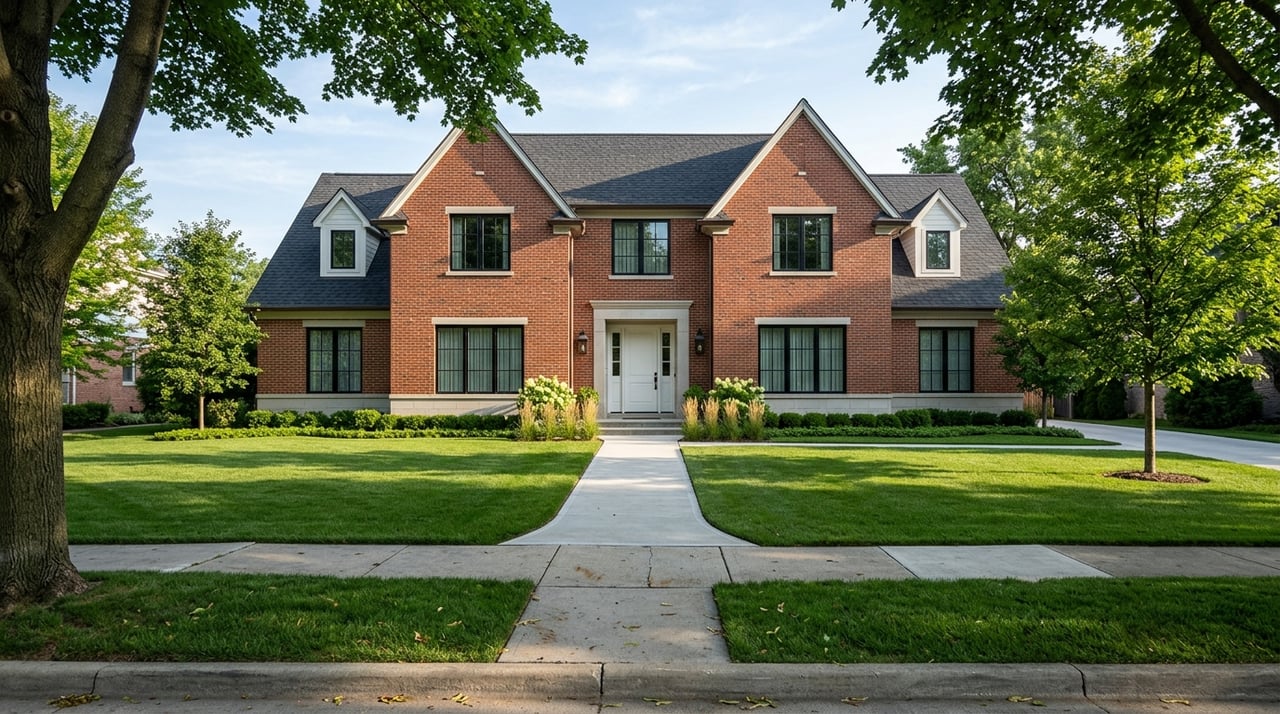
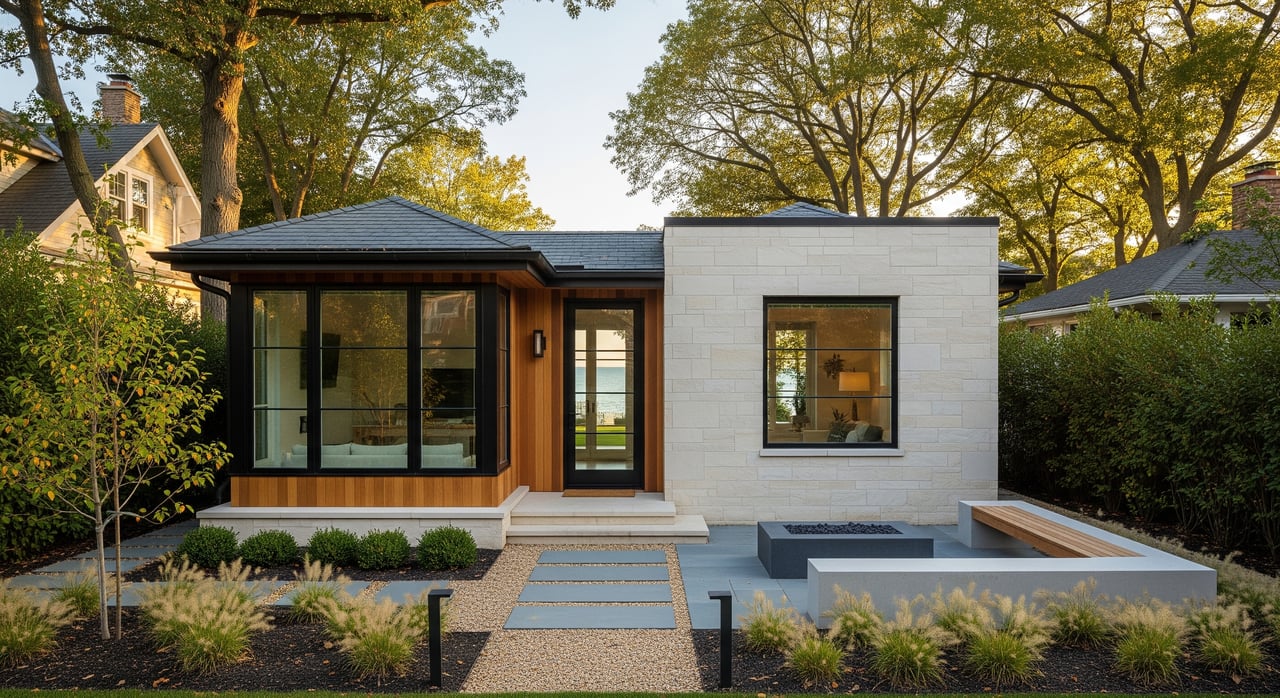
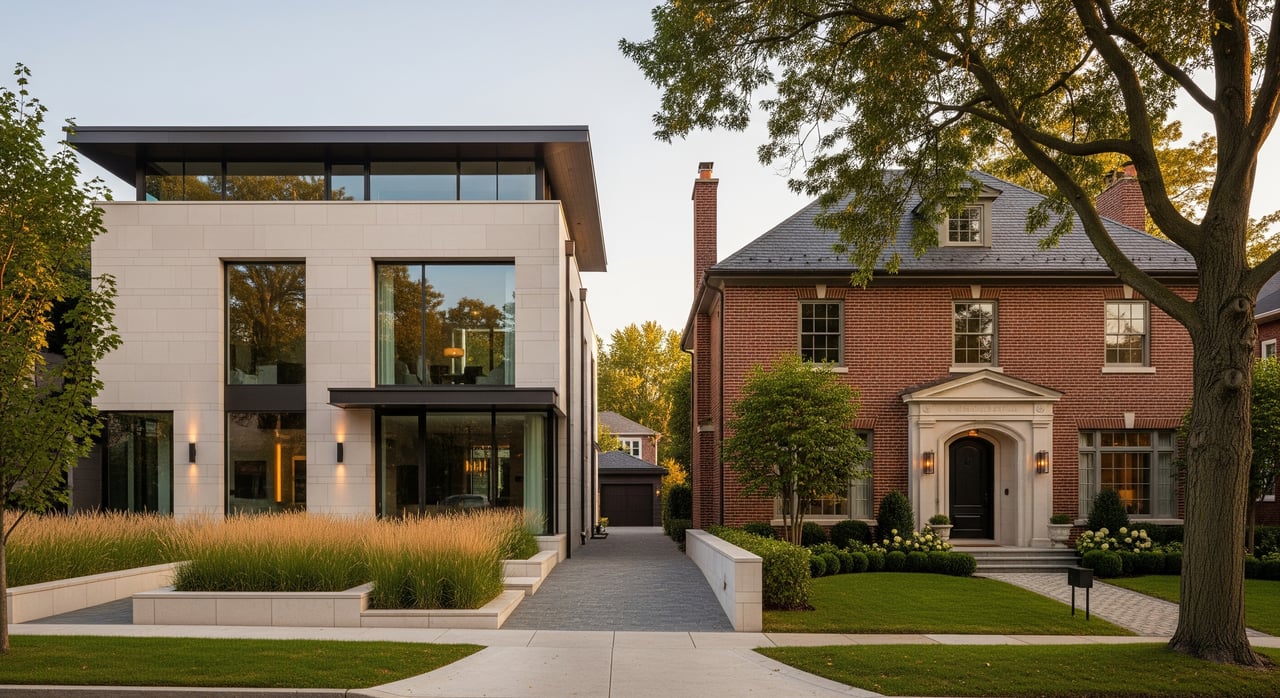
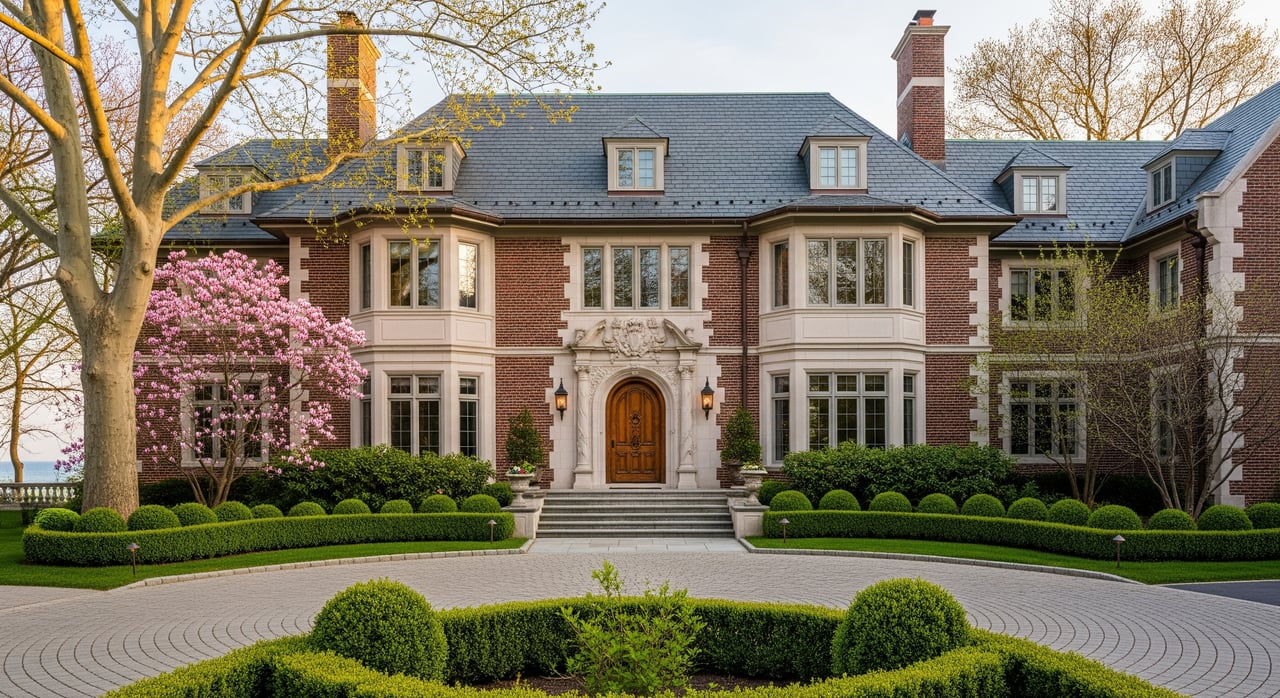
Highland Park and the broader North Shore offer a range of homes, from historic Tudor and Colonial to mid-century, contemporary, and newer construction. Buyers in this market usually look for refined, functional spaces that feel both elevated and livable. The goal is to show premium features, balanced scale, and inviting flow that perform well in photos and in person.
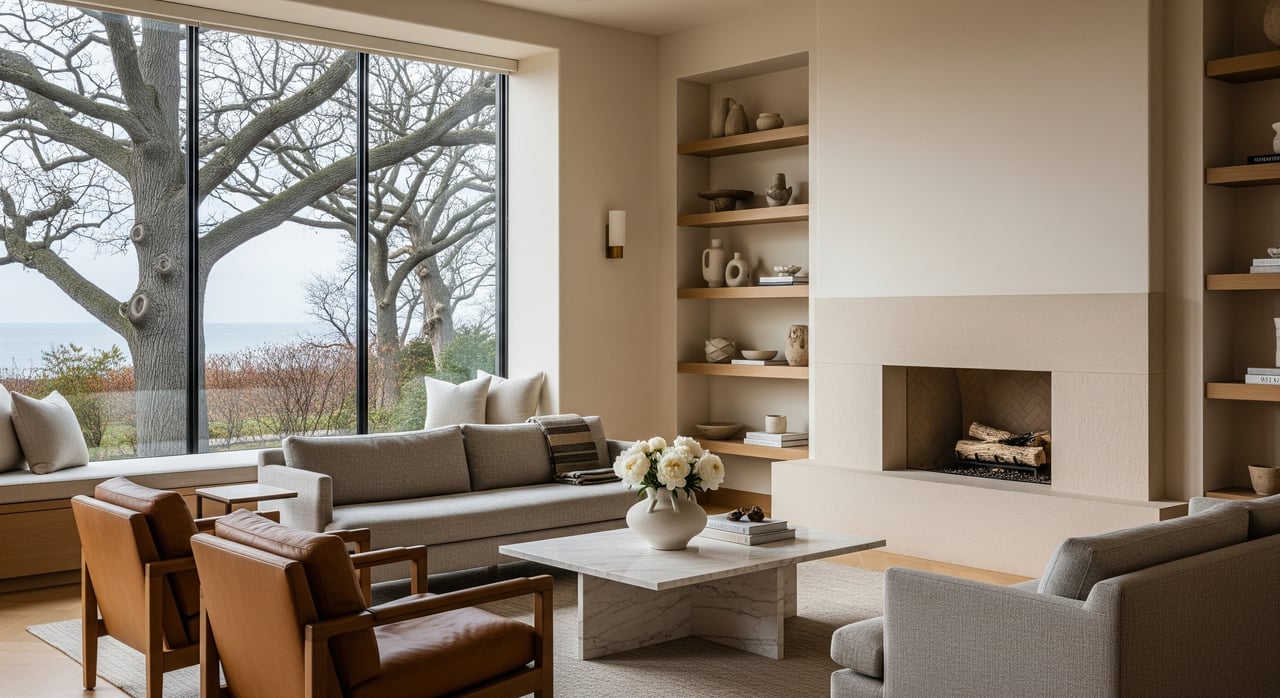
- Showcase premium features like fireplaces, moldings, built-ins, and any view corridors.
- Scale furnishings to larger rooms without overfilling them.
- Create light, warmth, and clear circulation in every season, especially winter.
Core staging principles
Lighting
Light is one of the fastest ways to boost perceived value and photo appeal. In the Chicago area, you often need layered lighting to keep spaces bright and welcoming.
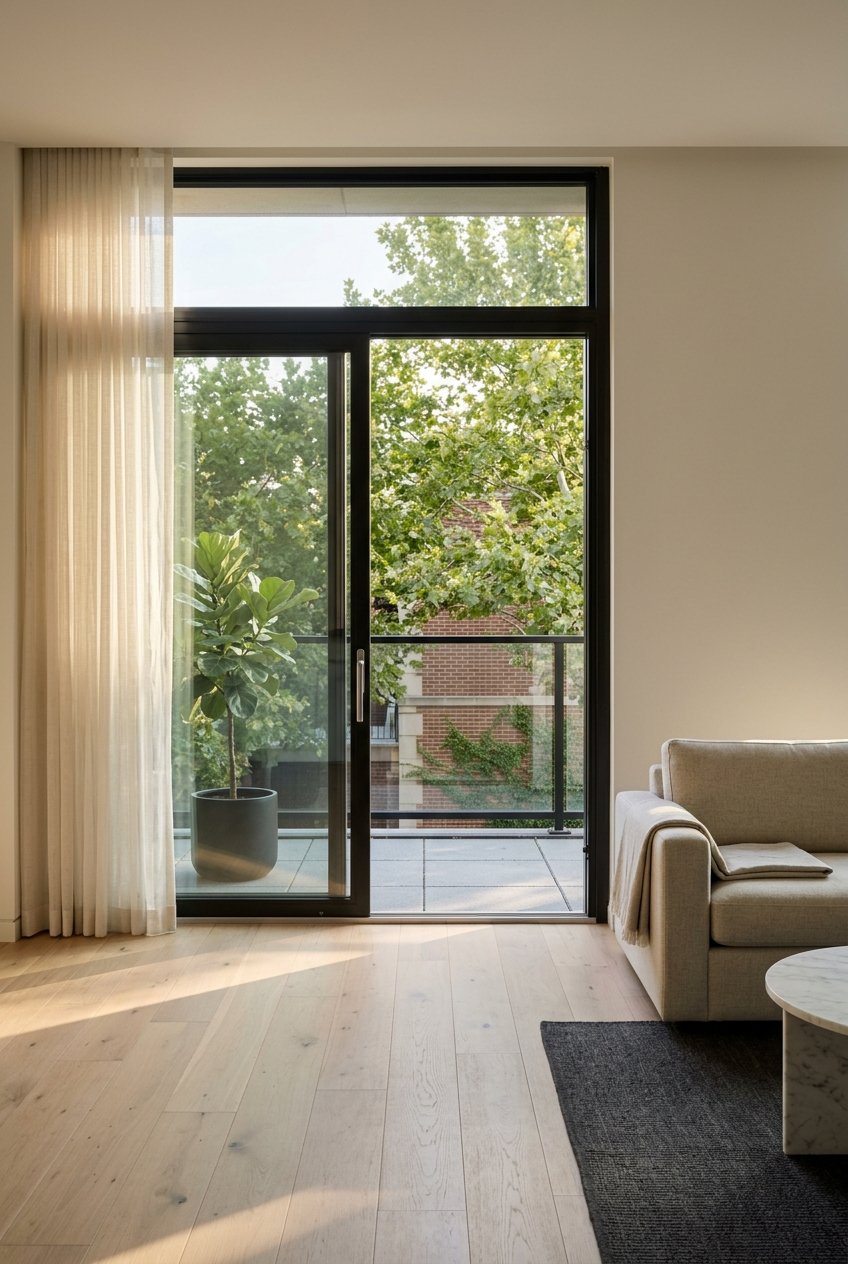
- Maximize natural light by opening shades and cleaning windows; trim exterior foliage that blocks windows where appropriate.
- Layer lighting: ambient overhead, task lamps, and accent lights for art or built-ins. Turn everything on for showings.
- Use warm to neutral bulb color temperatures and keep them consistent to avoid mixed tones in photos.
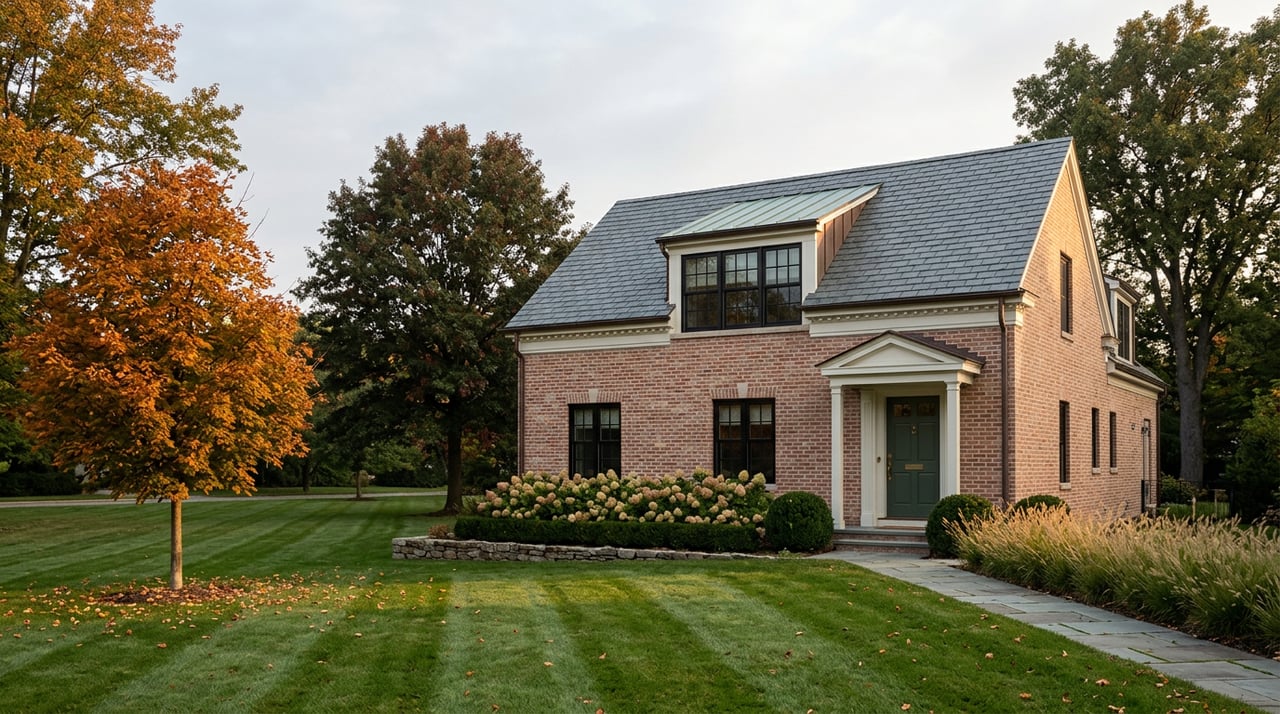
- Upgrade exterior lighting with clear path lights and fresh porch bulbs. Consider twilight photos for lakefront or beautifully landscaped properties.
Scale and proportion
Proper scale helps buyers understand how rooms live. Oversized pieces can make rooms feel tight, while undersized pieces can make them feel sparse.
- In large rooms, use substantial seating groups and a rug that anchors the arrangement with front legs on the rug.
- Choose appropriately sized art and mirrors. As a rule of thumb, art over a sofa should be roughly 60 to 75 percent of the sofa’s width.
- Remove extra furniture that blocks traffic, interrupts sightlines, or confuses the room’s purpose.
Color, texture, and finishes
A neutral base reads clean and upscale, while layered textures communicate quality without visual clutter.
- Keep walls and major upholstery in warm neutrals or soft grays, then add color through pillows, throws, and art.
- Use high-quality textiles like linen and wool, plus layered rugs to add depth.
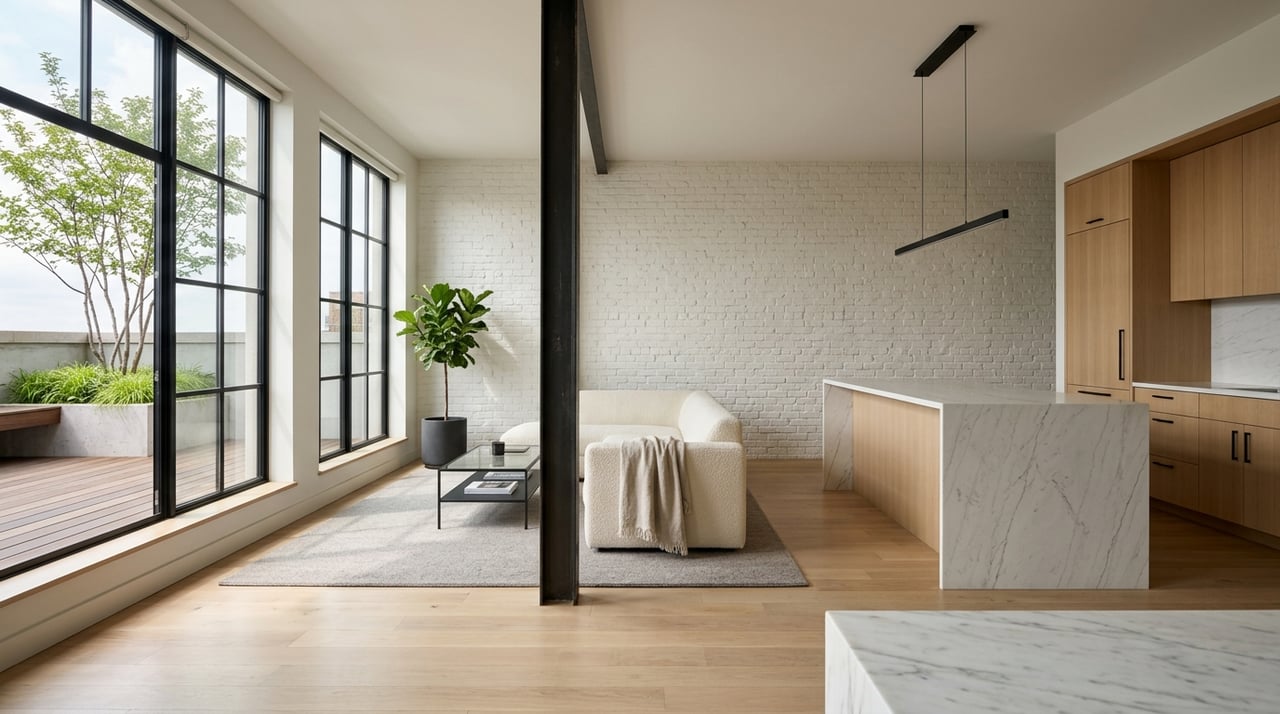
- Choose finishes that suit your home’s style. Traditional homes often pair well with classic brass or oil-rubbed bronze, while contemporary spaces suit matte black or chrome.
Flow and sightlines
Buyers mentally walk through your home online and in person. Clear flow sells livability.
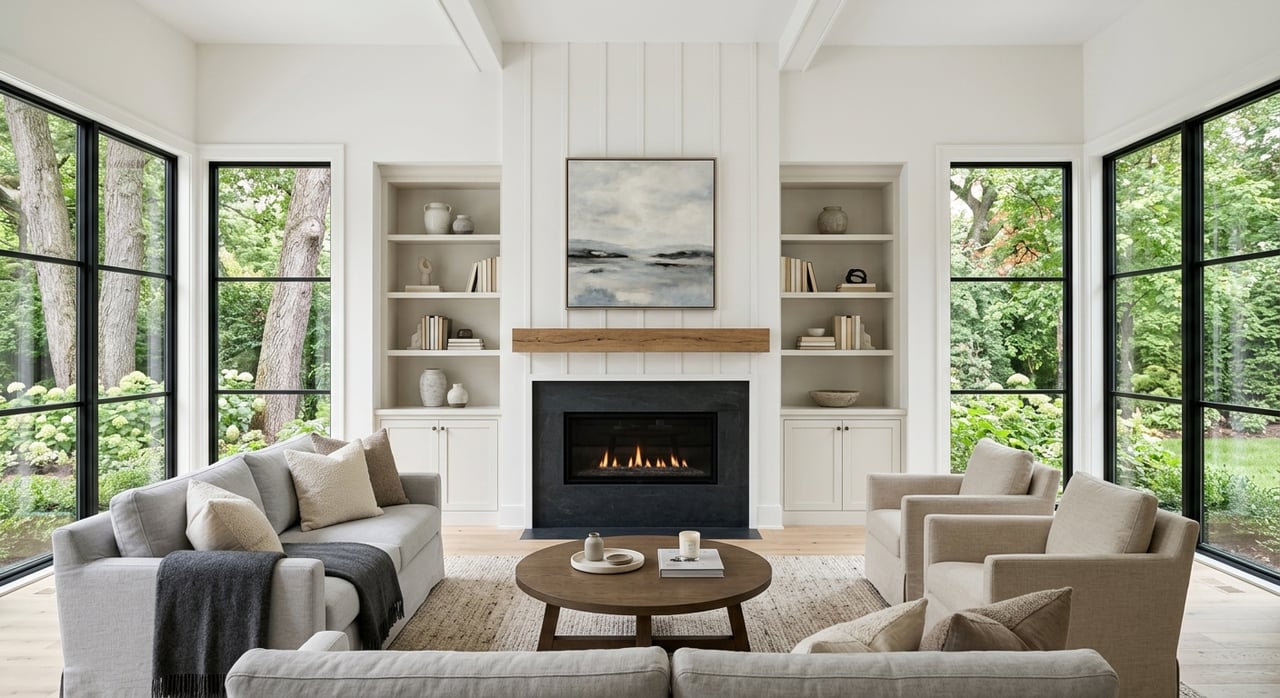
- Arrange furniture to showcase a focal point like a fireplace, view, or open kitchen.
- Set up conversational zones and keep pathways clear.
- In open plans, define areas with rugs and lighting to show intended use.
Room-by-room checklist
Entry and foyer
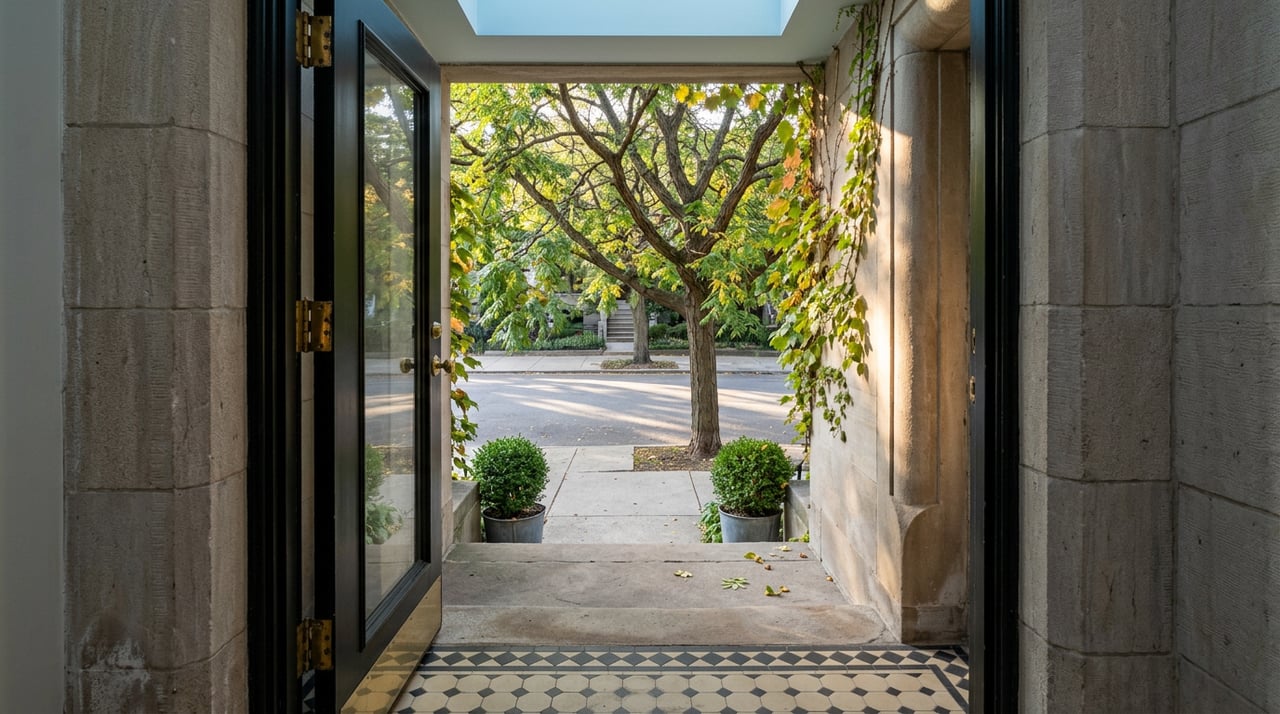
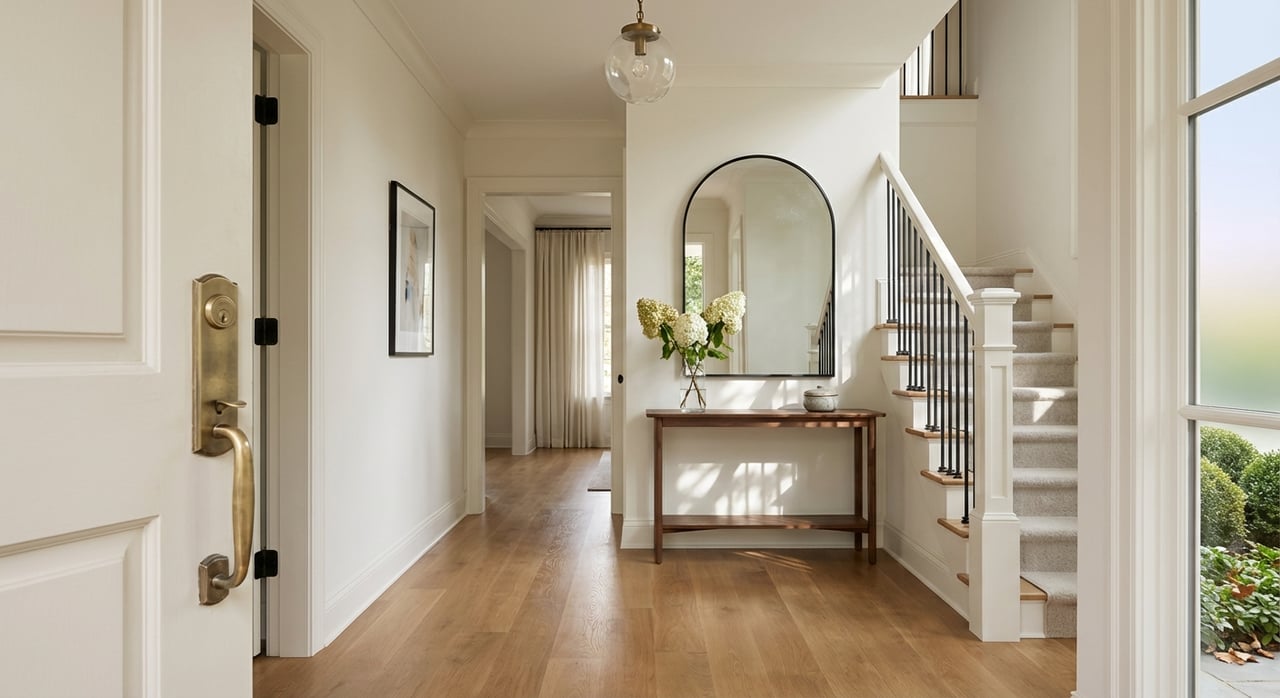
Your foyer sets the tone. Create an immediate sense of welcome and scale that works during winter tours.
- Clear coats and shoes, and highlight storage like a bench or hooks if present.
- Add a statement light and a mirror to amplify light and space.
- Keep seasonal touches minimal. In snowy months, use a neat boot tray or mat and keep floors dry.
Living room and formal rooms
Balance formal potential with comfort. Help buyers imagine both entertaining and everyday use.
- Make the focal point obvious: arrange seating around a fireplace or view.
- Use a properly scaled rug, quality lamps, and a few layered tables.
- Keep accessories minimal so moldings, built-ins, and trim show in photos.
Kitchen
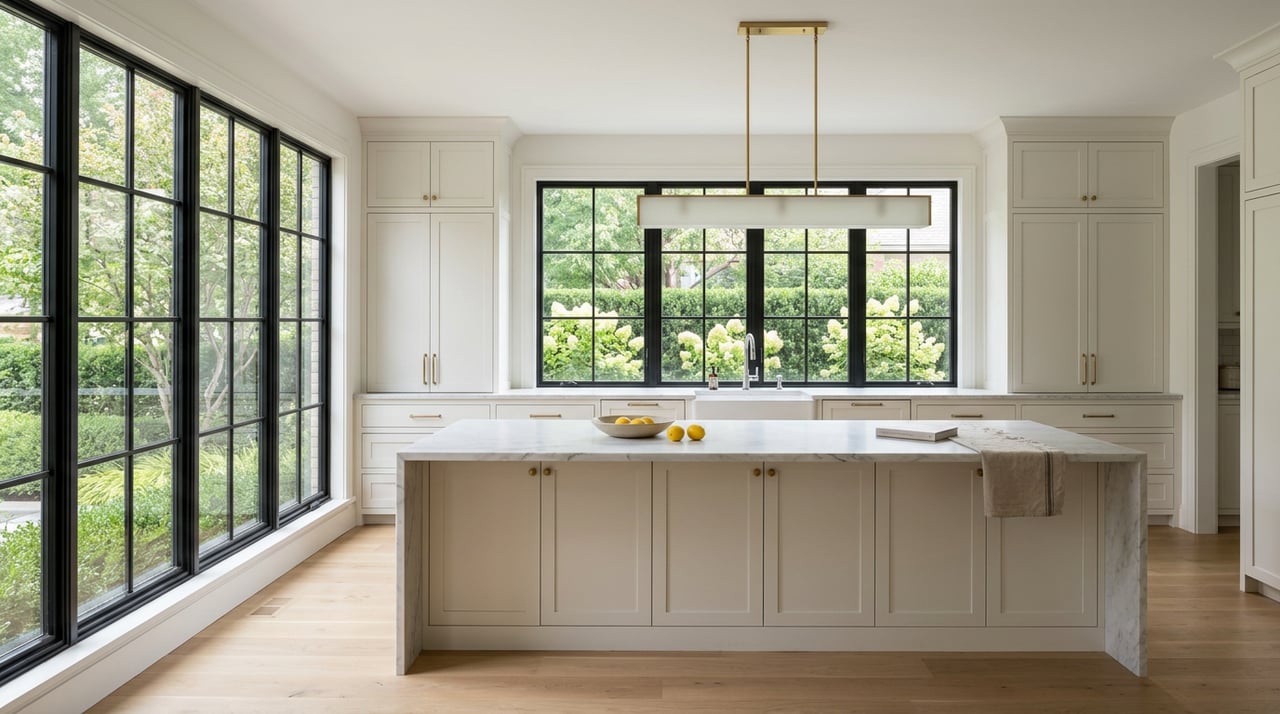
Kitchens sell. Aim for spotless, functional, and premium.
- Clear counters of small appliances, leaving one or two attractive items.
- Create a simple vignette near the sink or island with a cutting board, a bowl of citrus, or fresh greens.
- Stage a breakfast nook with simple place settings and ensure lighting and hardware are clean and working.
Dining room
Show scale and effortless entertaining.
- Set the table with understated, high-quality place settings and a low centerpiece.
- Remove extra chairs that crowd circulation.
- Coordinate art and lighting to feel polished without being stiff.
Family room, den, or great room
This is where daily life happens. Keep it relaxed and tidy.
- Layer throws and pillows in refined textures and neutral tones.
- Add styled shelves or trays with books and curated objects, not personal photos.
- Tidy electronics and hide cables. If a media wall exists, make it a clean focal point.
Primary suite
Create a restful, hotel-like retreat.
- Use crisp, layered bedding with coordinated pillows and a folded throw at the foot.
- Place matching lamps on nightstands and keep surfaces clear.
- Organize closets so they feel spacious, with room to spare.
Bathrooms
Cleanliness and spa-like touches matter.
- Refresh grout and caulk, polish hardware, and fix any leaks.
- Stage with fluffy white towels and a small tray with soap and a plant or candle.
- Make tubs and showers pristine for photos.
Home office and flex spaces
Show utility and flexibility.
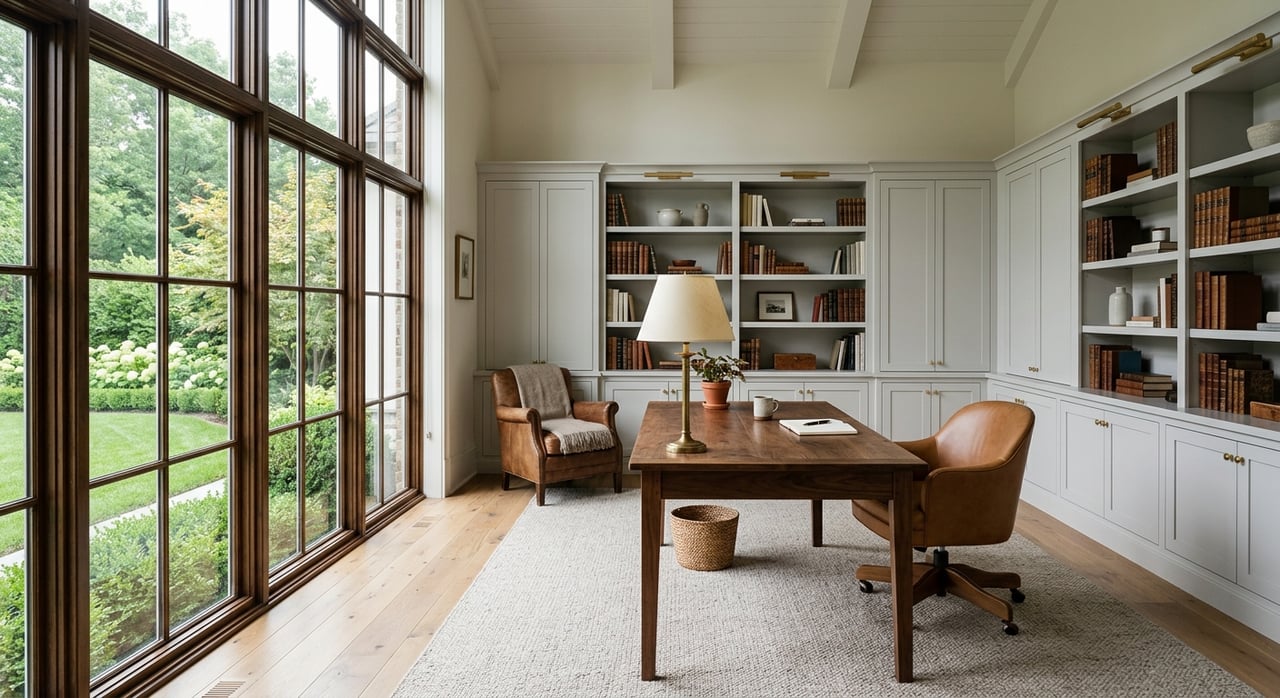
- Stage a functional workspace with a desk, lamp, and minimal tech clutter.
- If relevant, demonstrate an alternative use like a nursery or gym with a simple, attractive setup.
Basement and lower level
Turn extra square footage into value.
- Define zones for media, play, and fitness.
- Add layered lighting to overcome low natural light.
- Keep everything clean and dry, and make mechanical areas accessible and tidy.
Garage, mudroom, and storage
Organization signals care and capacity.
- Remove clutter and store or donate unneeded items.
- Highlight built-in storage and show a neat, functional mudroom with seasonal gear.
Outdoor spaces and lakefront features
Outdoor living is a key North Shore asset. Make it count in three seasons and in winter.
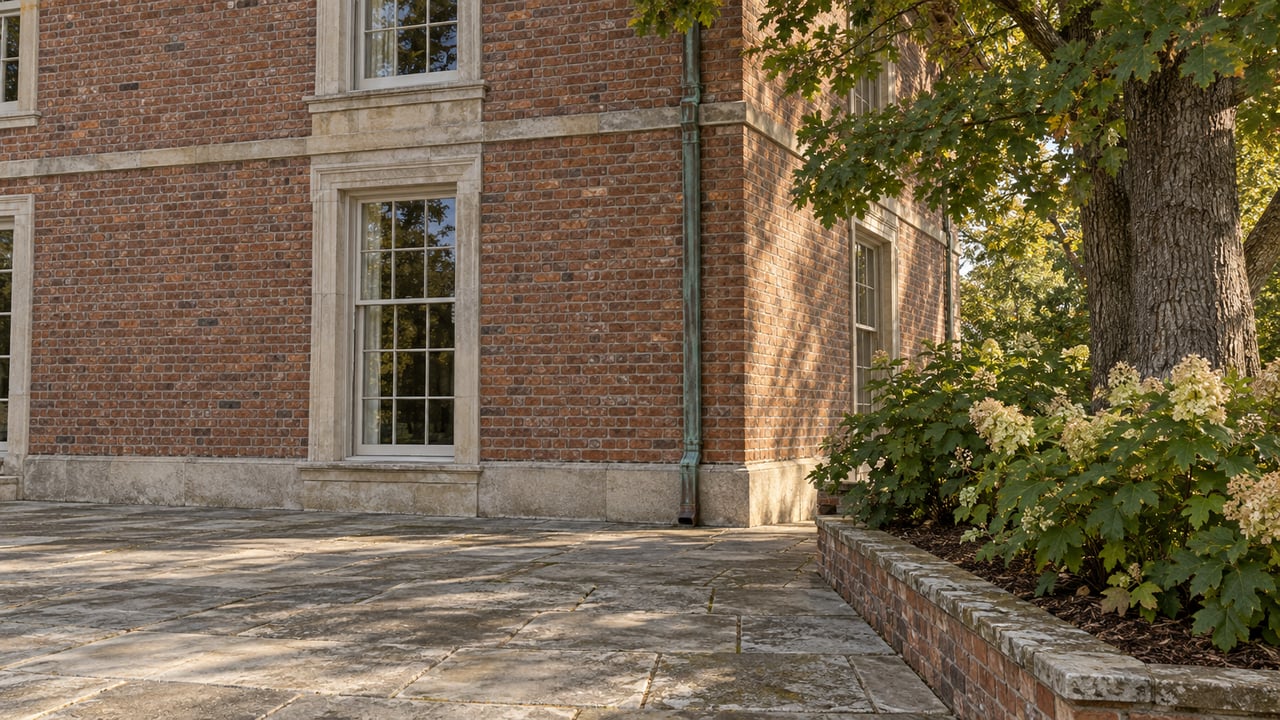
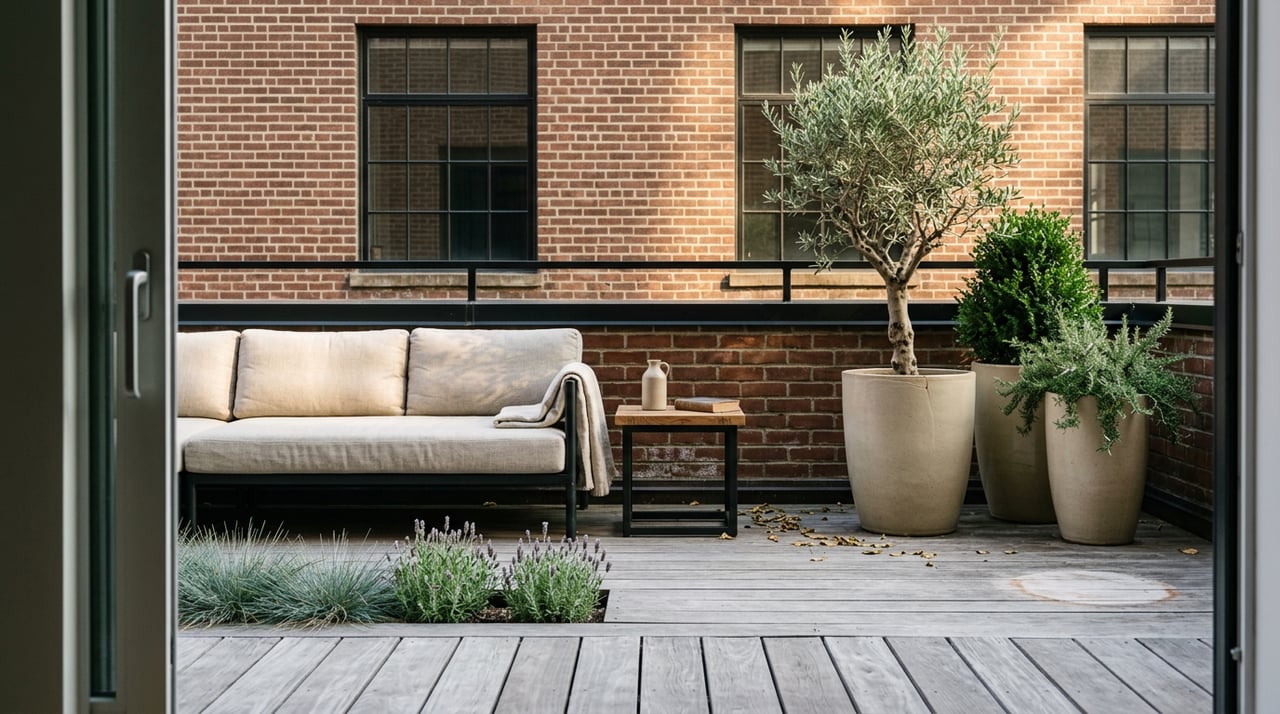
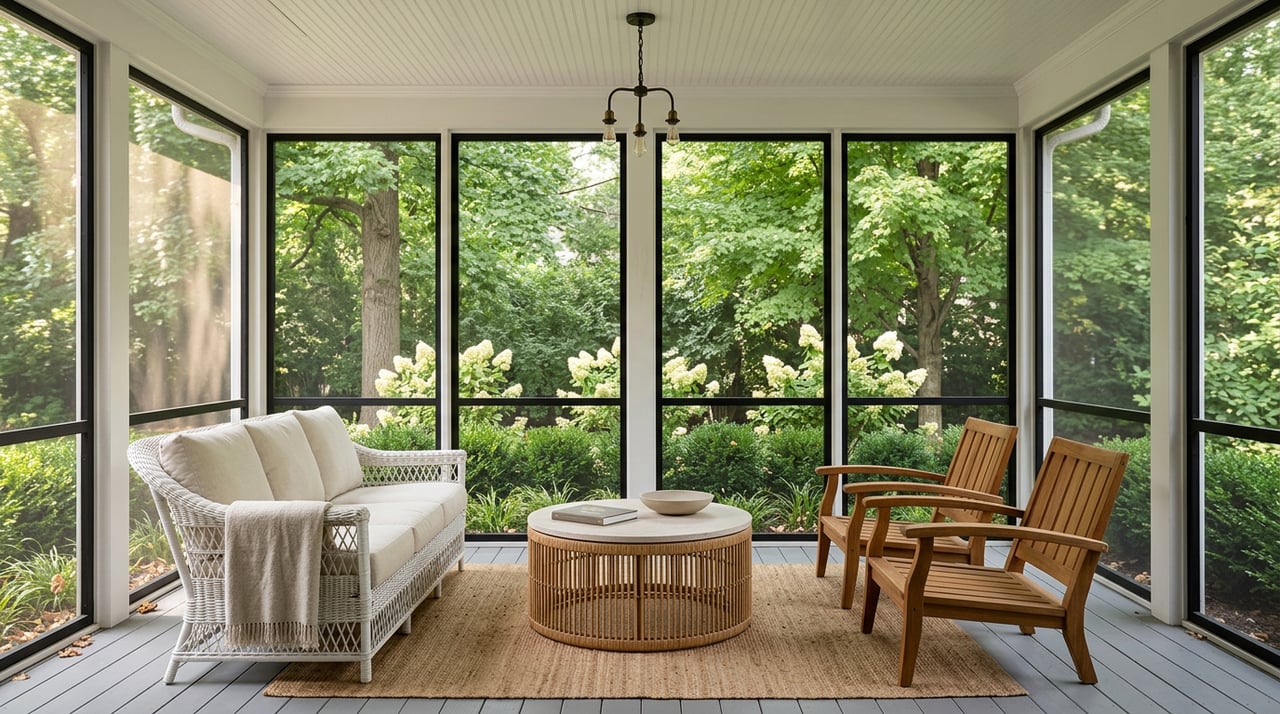
- Stage patios with seating, an outdoor rug, and planters suited to the season.
- For lakefront or view lots, keep sightlines clear and arrange furniture to frame the view.
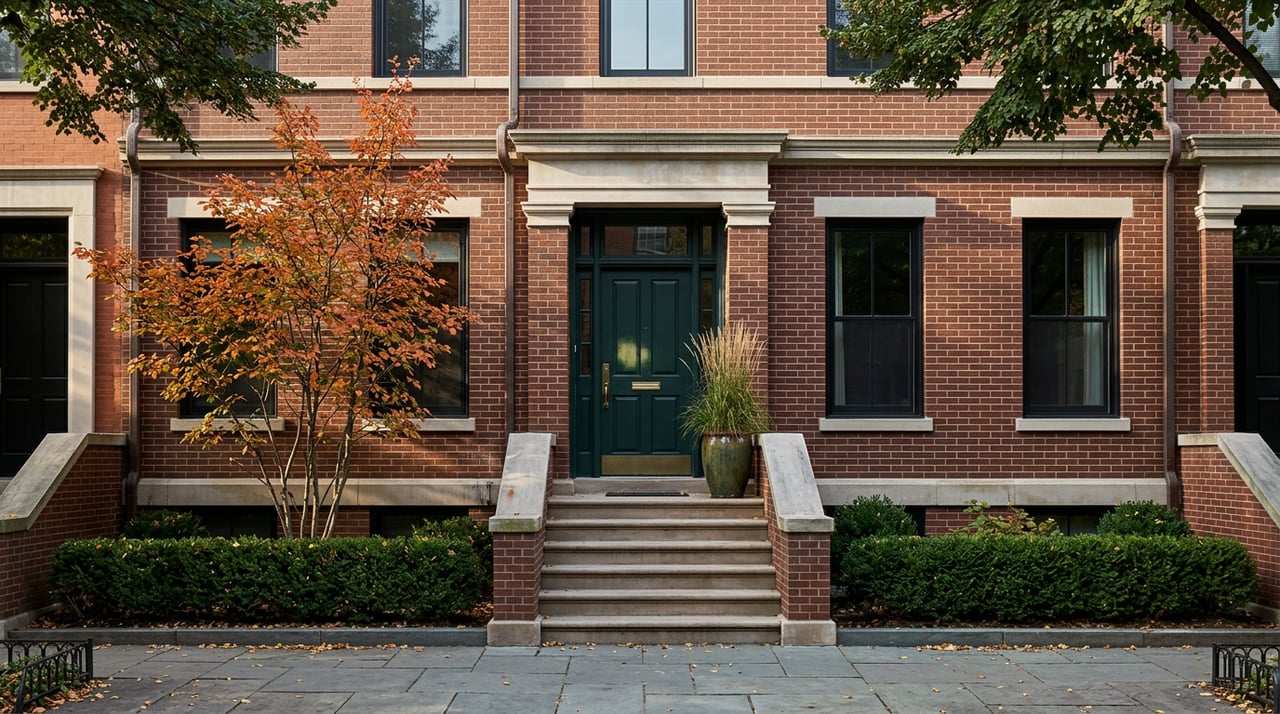
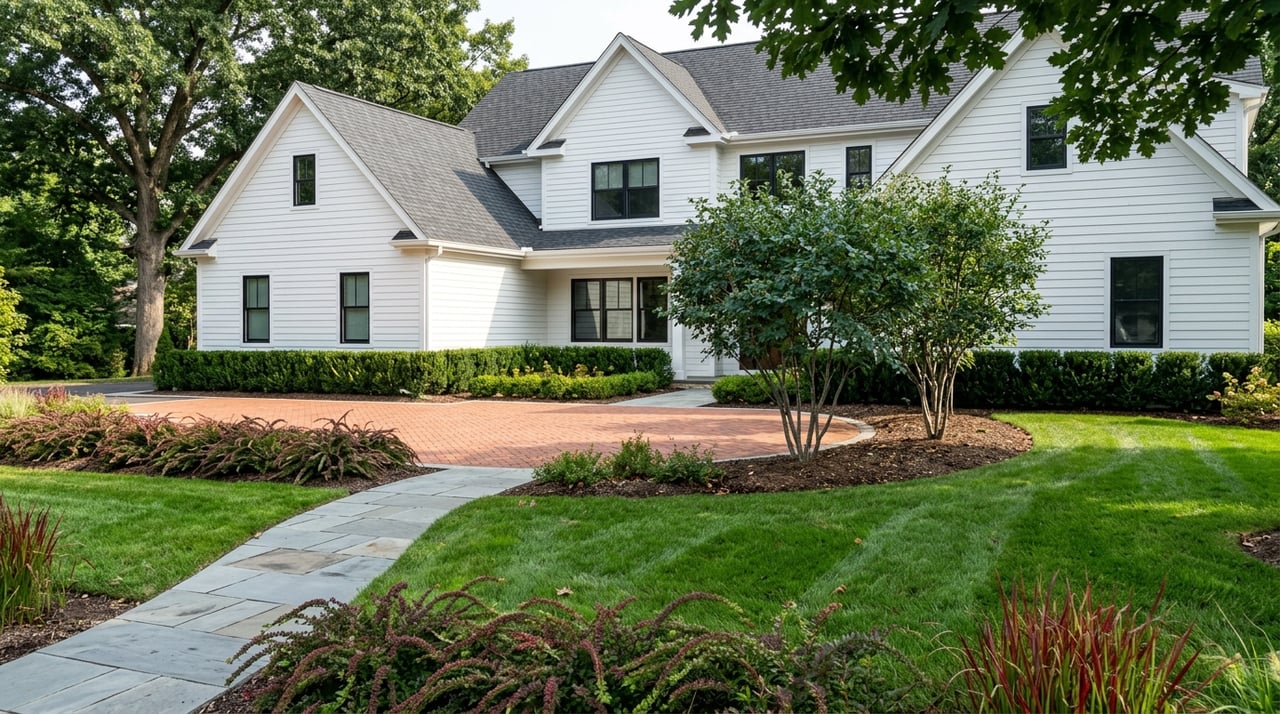
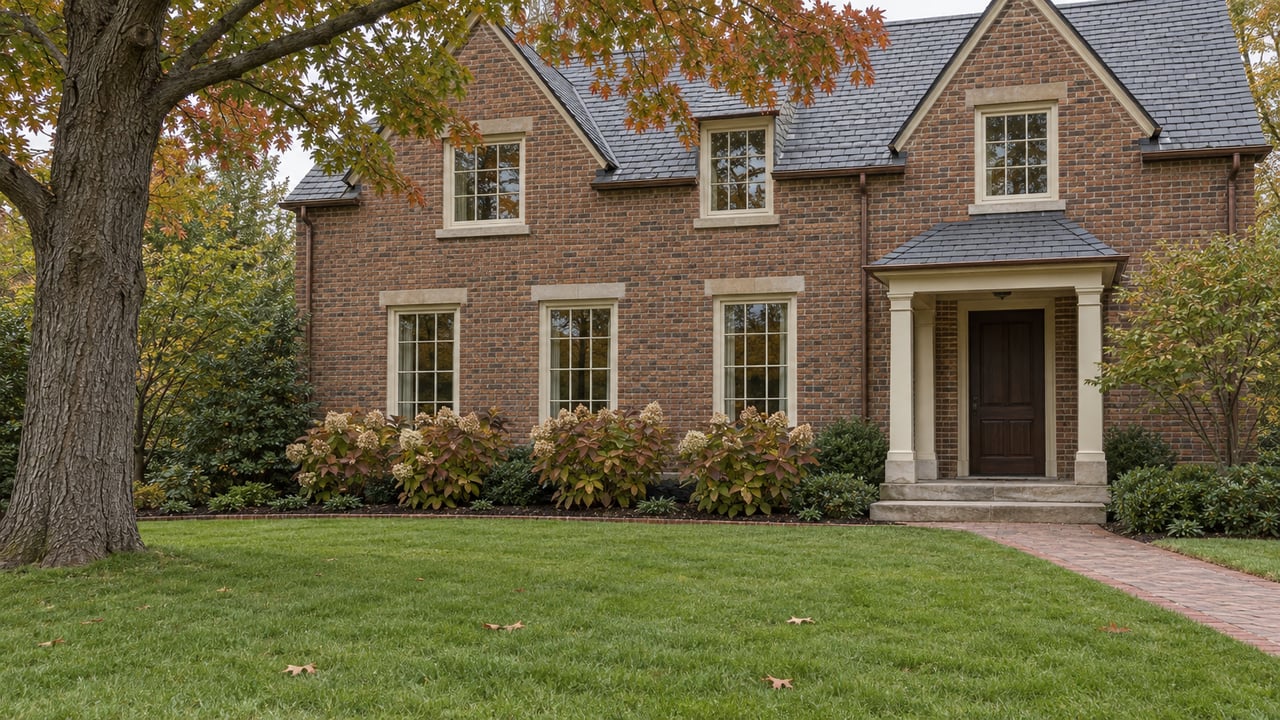
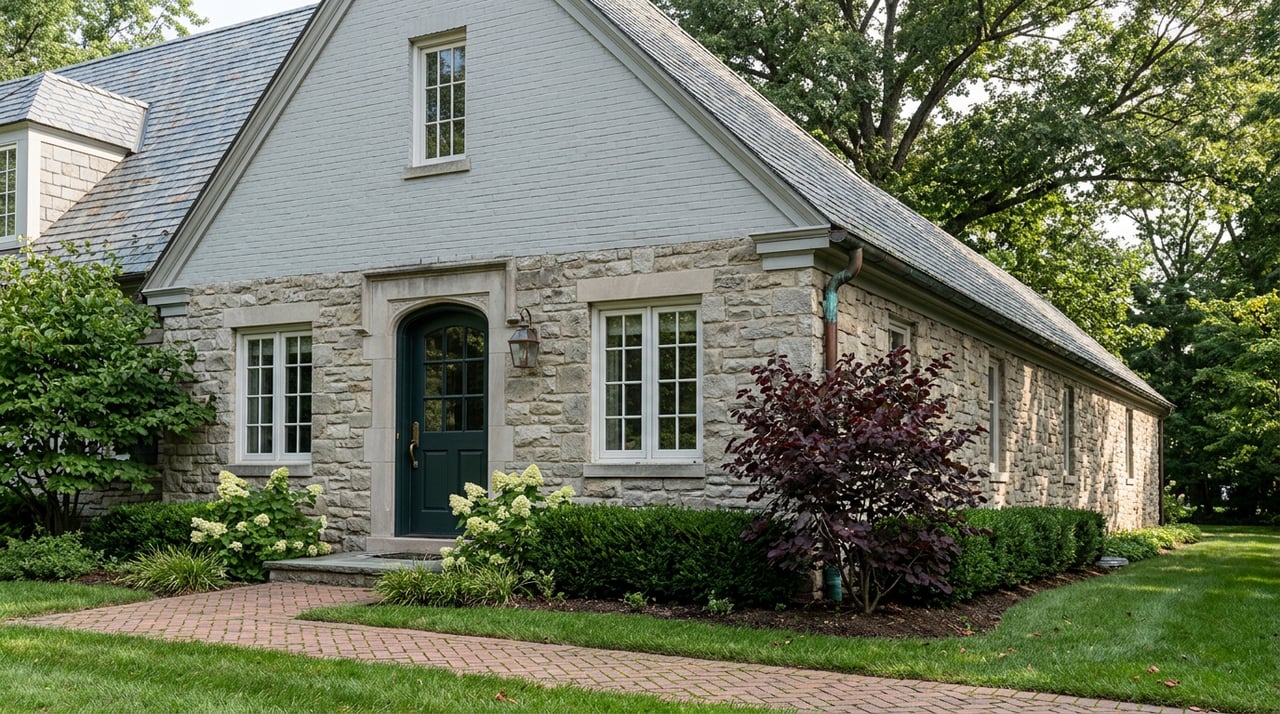
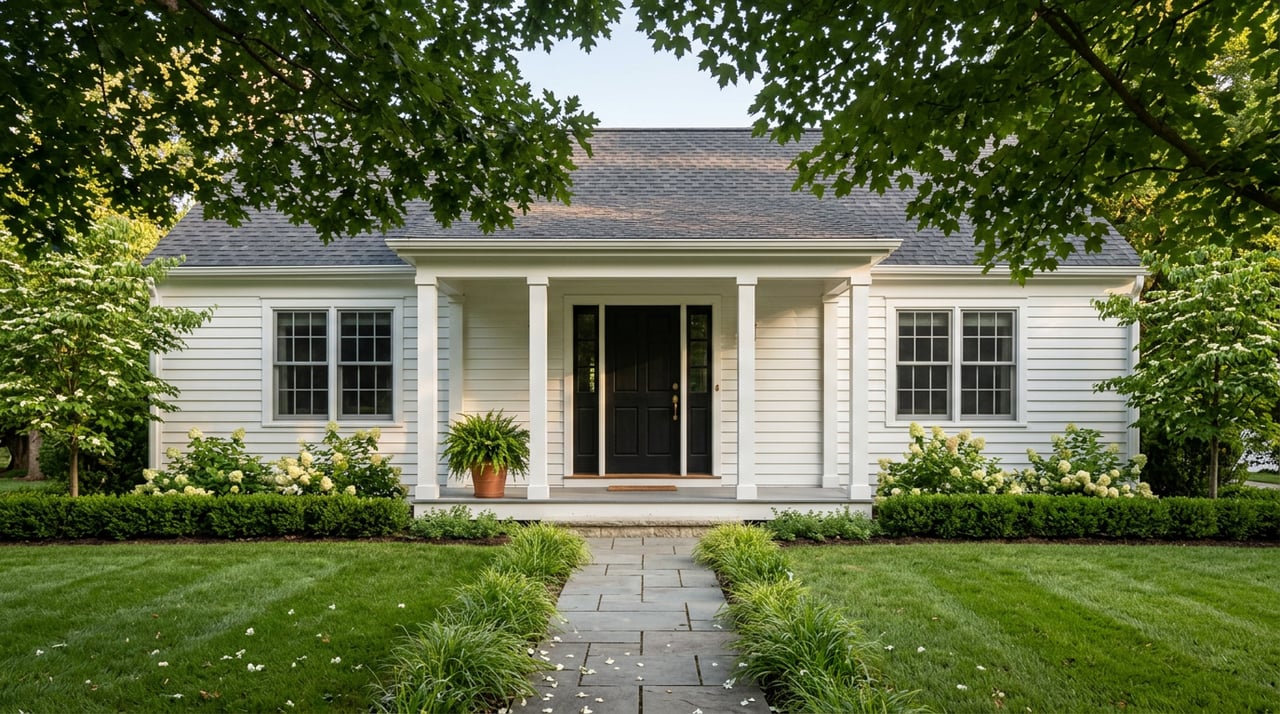
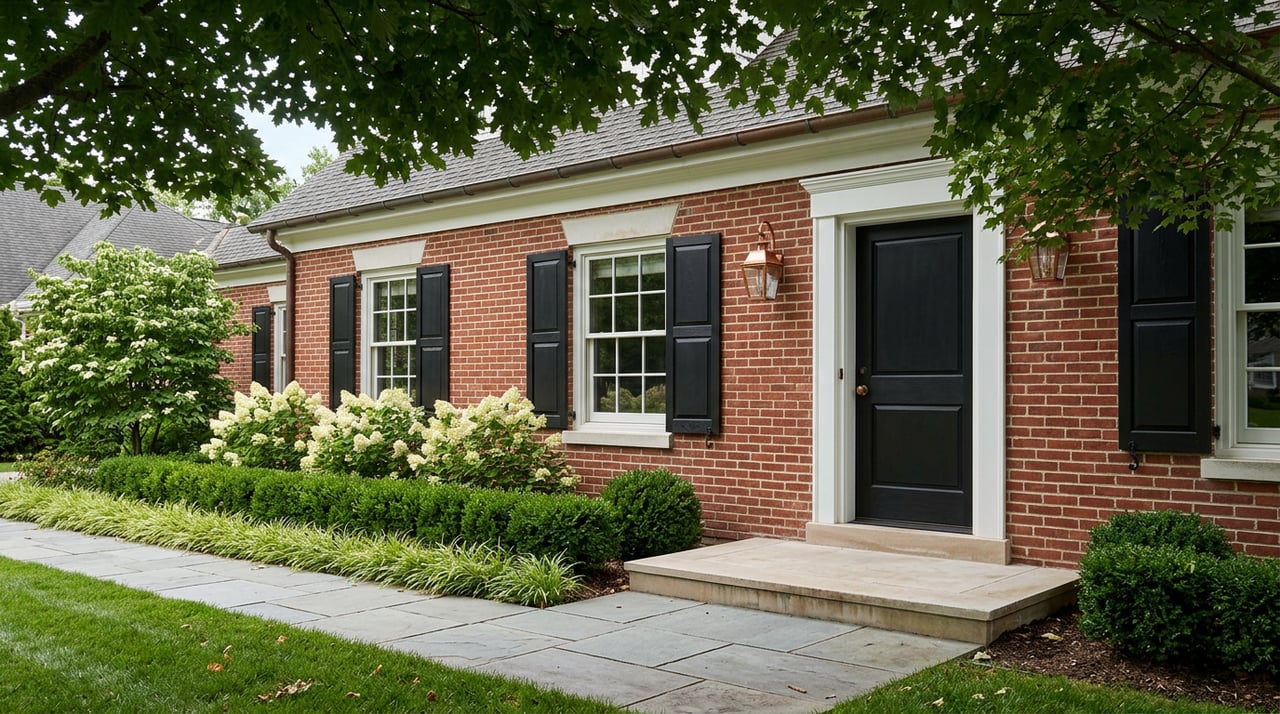
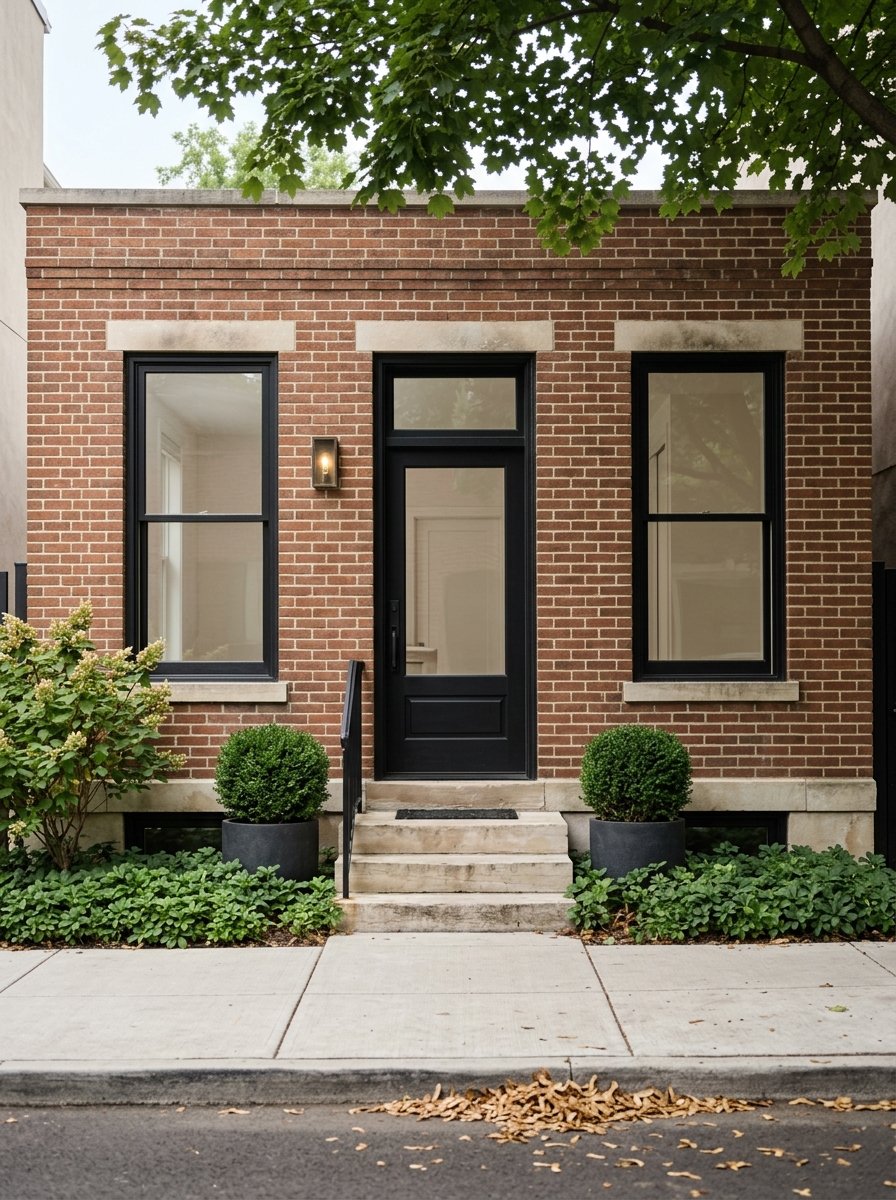
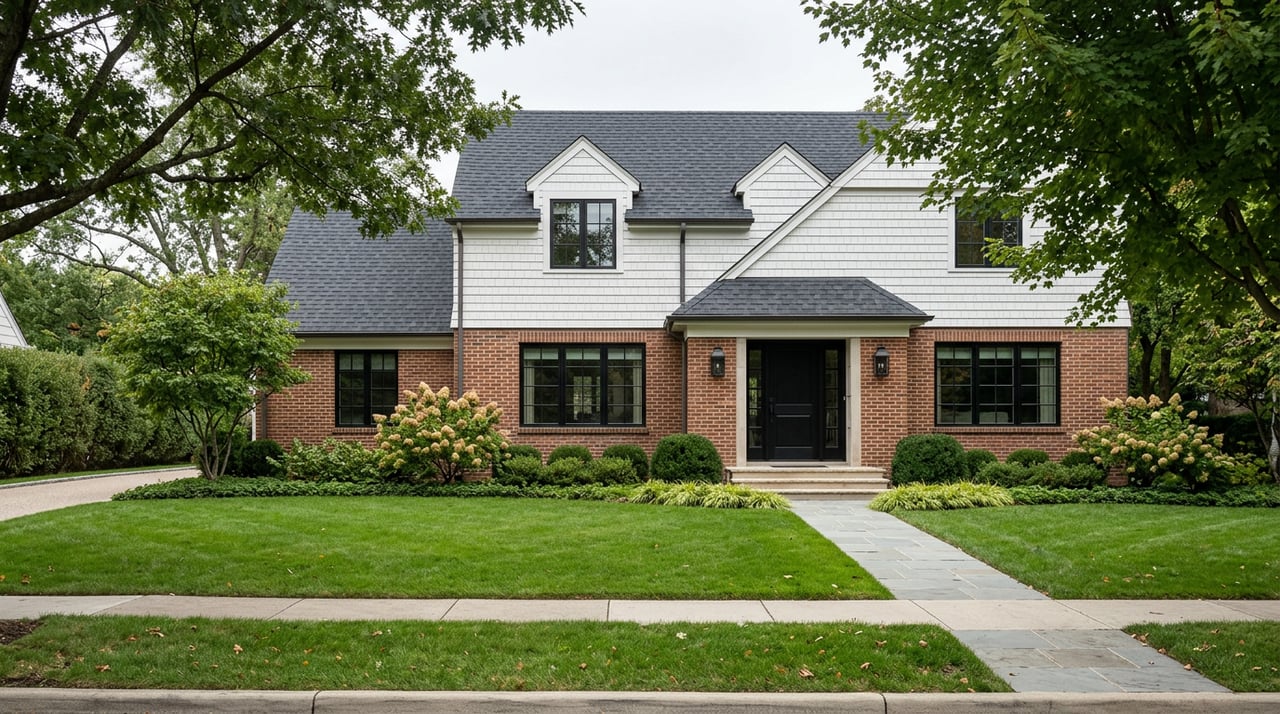
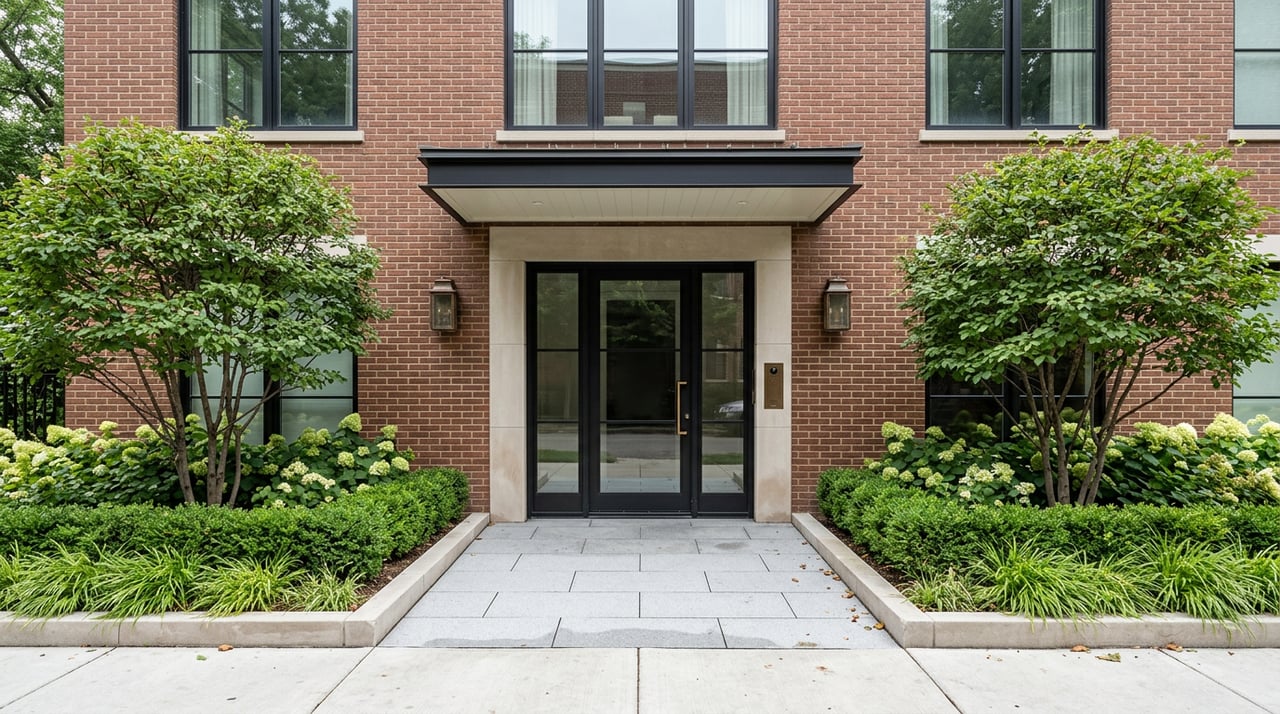
- Boost curb appeal with fresh mulch, edged beds, and tidy walkways. In winter, keep paths clear and add warm lighting.
Photography, tours, and showings
Staging for photos vs. showings
Online visuals lead the way. Optimize separately for the camera and for in-person tours.
- For photos, simplify surfaces and remove small personal items that create visual noise.
- For showings, turn on lights, set a comfortable temperature, and keep scents neutral.
Photographer best practices
An experienced real estate photographer can make premium features stand out.
- Use restrained wide angles and balanced exposures for natural-looking rooms.
- Consider twilight and drone photography for lakefront or landscaped properties where appropriate and safe.
- Include floor plans and guided video tours to complement still photos in luxury listings.
Virtual staging and clear disclosure
Virtual staging can help vacant homes, but set correct expectations.
- Use virtual staging as a supplement, not a substitute, for physical staging when possible.
- Clearly disclose virtual edits and never alter fixed features.
Showing-day checklist
Give buyers every reason to linger.
- Turn on all lights, adjust shades, and set a comfortable temperature.
- Neutralize odors, remove pet items, and take out the trash.
- Add fresh flowers or greenery and place brochures or floor plans near the entry.
Budget, pros, and timeline
DIY vs. professional stager
Choose the right approach for your property and price band.
- Hire a pro for high-end listings, vacant homes, or when competing against similar luxury inventory.
- DIY can work for minor refreshes in occupied homes, especially if you have strong design sense.
- Pros may offer consultation-only or full-service packages that include furniture rental, styling, and coordination.
Budget and ROI
Scale your investment to your list price and competition. In luxury segments, presentation that meets buyer expectations is often essential.
- Request written estimates that break out consultation, rental, delivery and setup, and de-staging.
- Prioritize updates that affect photos: paint, lighting, decluttering, and key textiles.
Timeline
Build in lead time so your home launches at its best.
- Vacant homes typically need 1 to 2 weeks for rental delivery, setup, and photography.
- For occupied homes, schedule decluttering, deep cleaning, and minor repairs several days before photos.
Highland Park winter tips
Winter is a reality here, and you can use it to your advantage.
- Lean into warmth with layered lighting and a staged fireplace.
- Keep walks and driveways clear, add entry mats, and maintain a tidy boot tray.
- Schedule photography for the brightest time of day or use professional techniques to balance low light.
Ready to list with confidence?
Thoughtful staging helps buyers see your home’s true value. When you combine correct scale, layered lighting, and a clean, cohesive style, you create the polished presentation North Shore buyers expect. If you want hands-on guidance and a presentation-first strategy from a local team that offers in-house staging and white-glove listing service, request a private consultation with Jody Dickstein.
FAQs
Do Highland Park sellers need to repaint everything neutral?
- Not always. Focus on neutralizing very bold or dated colors in main living areas and aim for cohesive finishes, while tasteful color in secondary rooms can stay if it aligns with buyer expectations.
How much should I declutter before listing a North Shore home?
- Remove personal photos, reduce excess furniture to clarify scale and flow, and keep countertops clear so buyers can picture themselves living there.
Is staging worth it for a higher-end Highland Park listing?
- For most luxury listings, yes. Well-executed staging aligns with buyer expectations and modern photography standards, which helps your home stand out online and in person.
Should I consider virtual staging for a vacant property on the North Shore?
- It can help, but disclose edits clearly and do not alter fixed features. Many luxury buyers prefer real, well-staged rooms, so use virtual staging as a supplement when needed.
How long does luxury home staging take in Highland Park?
- Plan 1 to 2 weeks for a vacant home to handle rental delivery, setup, and photos. For occupied homes, finish decluttering, cleaning, and small repairs a few days before photography.