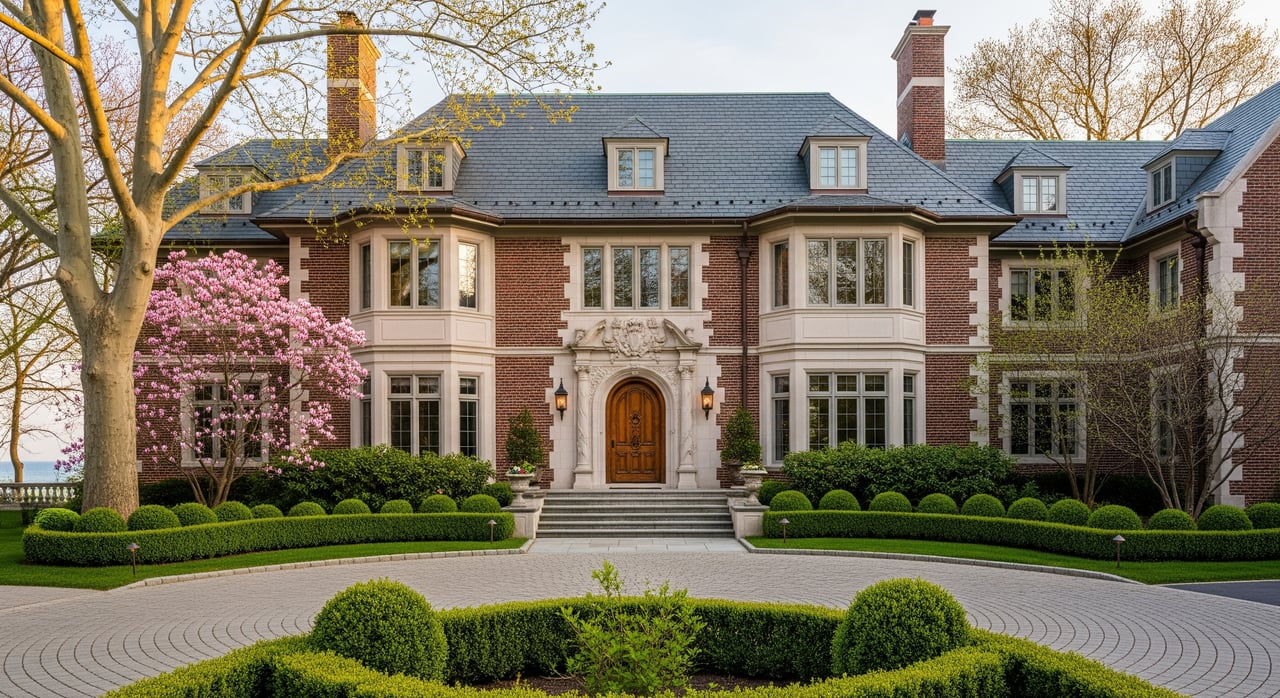
Are you torn between the energy of a Lincoln Park condo and the space of a North Shore home? You are not alone. Many buyers wrestle with price, taxes, commute, school priorities, and day-to-day lifestyle before making the leap. In this guide, you will see clear numbers, practical examples, and a simple framework to help you decide with confidence. Let’s dive in.
Snapshot: prices and value
Lincoln Park condo pricing at a glance
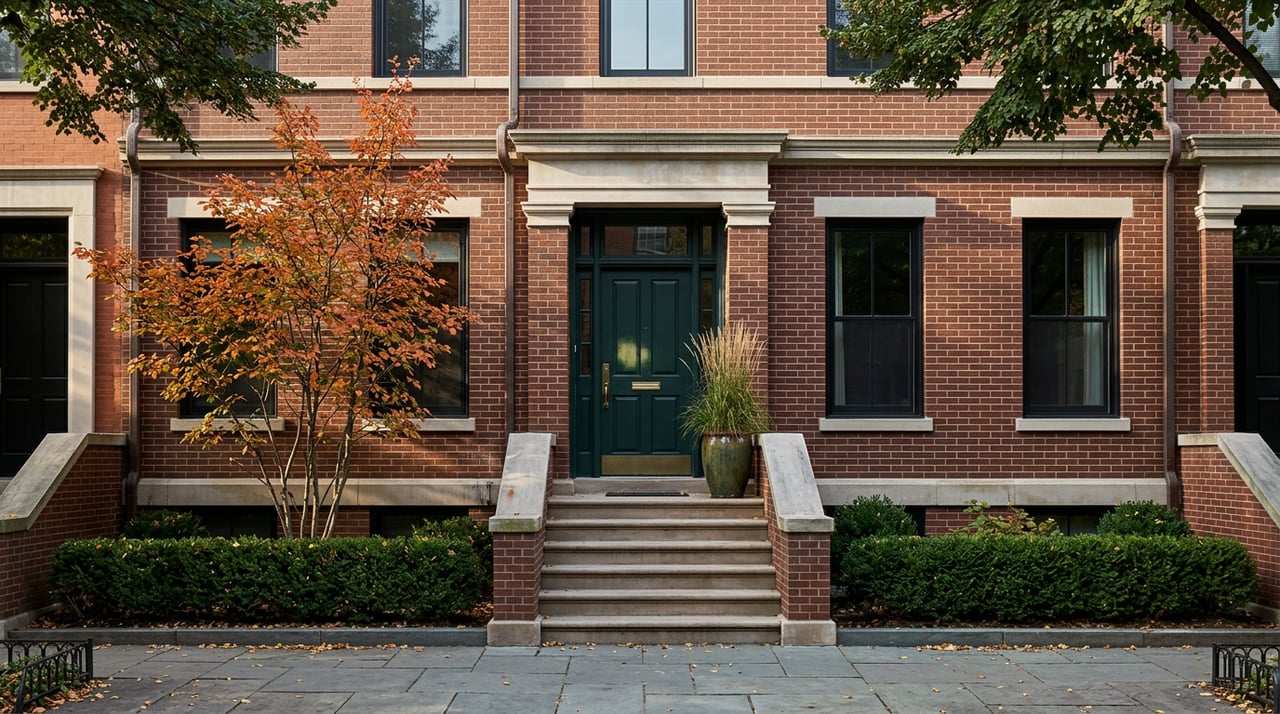
Recent neighborhood summaries place the median Lincoln Park condo around $725,000, with typical price per square foot in the $395–$402/sqft range. Values swing with building type and amenities. Vintage walk-ups, mid-rises, and full-service luxury towers each live in different pricing bands. Walkability, proximity to the lake and parks, and school access are major value drivers.
North Shore single-family ranges by town
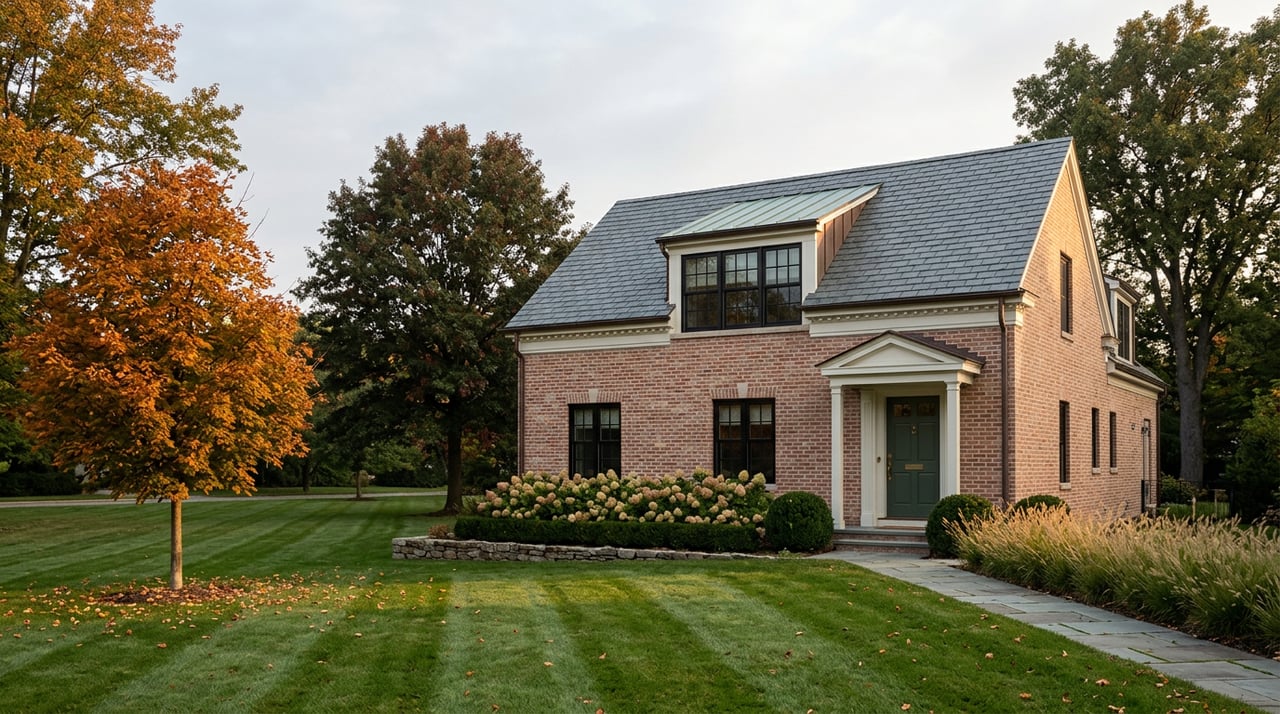
North Shore pricing varies widely by community and lot size. As representative examples, recent reporting shows Winnetka near $1.9–$2.0M for median single-family sales, Wilmette around $1.25M, and Evanston in the mid-range, often $429K–$476K depending on subarea. Expect big spreads by block, lot, and local district. Your short list should include town-level medians, recent comps, and price per square foot for truly similar homes.
How to compare apples to apples
Price per square foot is useful only when you compare similar product types. A 1,200-square-foot luxury condo at $725,000 will often show a higher $/sqft than a larger single-family home. What you get for that premium in a condo is lower exterior maintenance and a prime location close to transit, dining, and parks. With a house, you get yard, private parking, and more privacy, which can matter more over a longer time horizon.
What your monthly carry looks like
Assessments, taxes, and maintenance
Condo assessments in Lincoln Park range widely. Small, low-amenity buildings can be in the low hundreds per month. Mid-range buildings commonly fall $300–$800/month. Full-service towers with amenities like pools and door staff can run $1,000+. Associations can also levy one-time special assessments for major projects, so always review meeting minutes, reserve studies, and assessment history to understand risk and timing. Recent reporting highlights how special assessments can add meaningful one-time costs for owners, which is why due diligence matters. See an example of this dynamic in Chicago condo coverage that explains HOA distress and assessments in plain terms. This special-assessment overview is a helpful primer.
Property taxes are a major factor for both city and suburbs. Effective rates and the mix of local taxing districts vary by town and neighborhood. As a starting point, review county-level trends for estimates and then pull the last two to three bills for any specific property before you write an offer. You can explore recent Cook County trends on this county tax summary and see how recent cycles have affected tax bills in this Cook County update.
Maintenance and insurance also change the picture. A common single-family planning rule is 1%–3% of home value per year for ongoing maintenance. Use the low end for newer properties and increase for older or larger homes. Condo owners still budget for interior upkeep and an HO-6 insurance policy, but exterior work is handled by the association. For a quick planning overview, see this maintenance budgeting guide.
Example monthly budgets you can copy
Below are two simplified scenarios you can use as templates. Replace assumptions with lender quotes, real tax bills, and the actual HOA or estimated maintenance for any property you like. For rate context, Freddie Mac’s weekly survey has shown 30-year fixed rates near 6.0% in recent snapshots. You can check current averages on Freddie Mac’s site.
Assumptions used in both examples
- 30-year fixed mortgage at 6.0% (illustrative)
- 20% down payment
- Property taxes estimated using a Cook County effective-rate proxy for quick math; always verify with actual bills from the county. A Cook County trend overview is available here.
Scenario A — Lincoln Park condo (benchmark example)
- Purchase price: $725,000. Loan: $580,000. Principal and interest ≈ $3,478/month.
- Property tax (illustrative 2.01% effective rate): ≈ $14,573/year or $1,214/month.
- HOA: $450/month (example mid-range; actuals vary widely by building and amenities).
- Insurance and utilities: $100–$200/month (HO-6 plus typical utilities not covered by HOA).
- Illustrative total monthly cash outlay: ~$5,200–$5,700/month.
Scenario B — North Shore single-family (Wilmette example)
- Purchase price: $1,250,000. Loan: $1,000,000. Principal and interest ≈ $5,996/month.
- Property tax (illustrative Cook County proxy 2.01%): ≈ $25,125/year or $2,093/month.
- Maintenance reserve (1% rule): $12,500/year or $1,041/month.
- Insurance and utilities: ~$500/month (varies with age, size, and coverage).
- Illustrative total monthly cash outlay: ~$9,600–$10,000/month.
What this tells you
- Even when loan terms are similar, single-family costs can rise due to higher taxes, utilities, and maintenance. A condo’s HOA can also be high, so the only way to compare is to put numbers side by side.
- Always request the last two to three property tax bills for any address. For condos, ask for HOA financials, the reserve study, and meeting minutes that reveal any planned assessments. A quick backgrounder on how special assessments arise can be found in this article.
Commute, schools, and daily life
Commute time patterns you can test
If you plan to work downtown, Lincoln Park offers CTA Red, Brown, and Purple Line access with typical train rides of about 15–30 minutes to many Loop locations, depending on your exact stop and transfer. On the North Shore, the Metra Union Pacific North line provides a predictable rail commute into Ogilvie. Door-to-door times often run 30–60 minutes depending on your station, express versus local trains, and last-mile timing. Before you bid, ride your exact route at your actual commute hour. You can check timetables on Metra’s schedule page.
Schools: options to research and confirm
Within Lincoln Park, you will find public and private school options. For example, Lincoln Park High School serves part of the neighborhood, and several private schools are within a reasonable distance. On the North Shore, towns like Winnetka and Wilmette feed into New Trier Township High School, which is frequently listed among Illinois’ top public high schools in various roundups. You can see one recent list here: top Illinois high schools overview. Always confirm current boundaries and check recent district metrics directly with the school systems.
Lifestyle differences you will feel
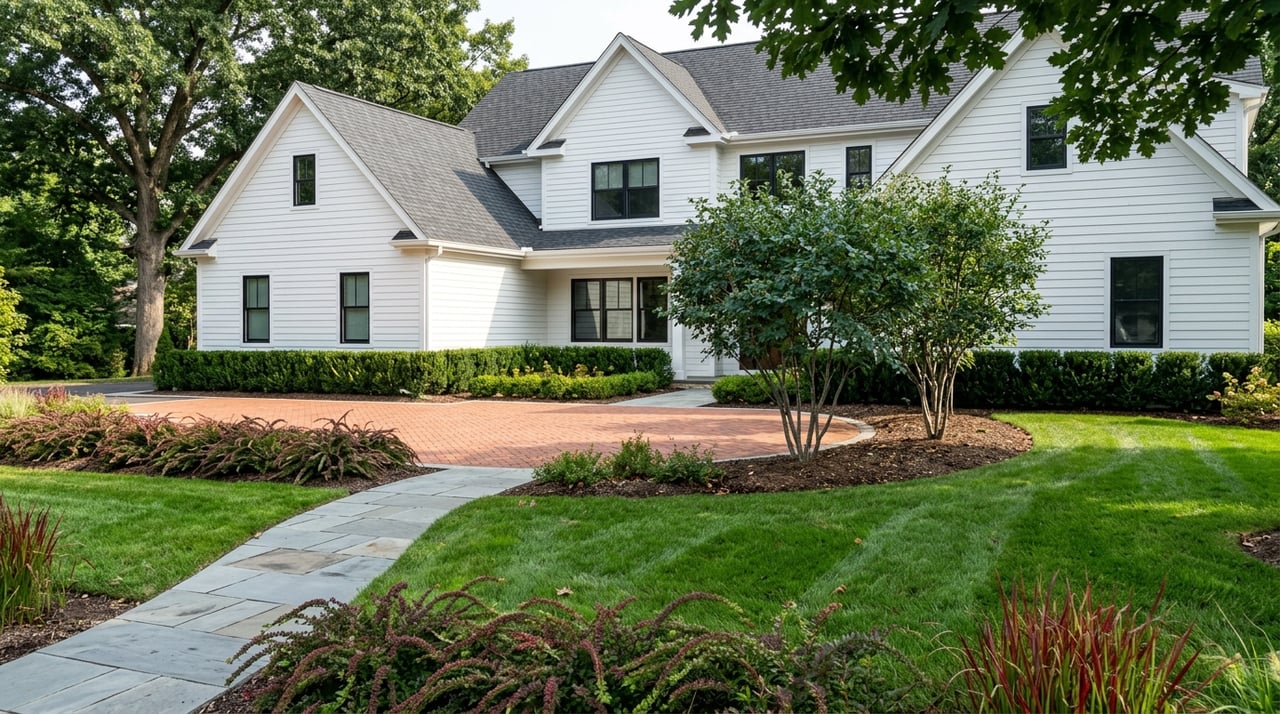
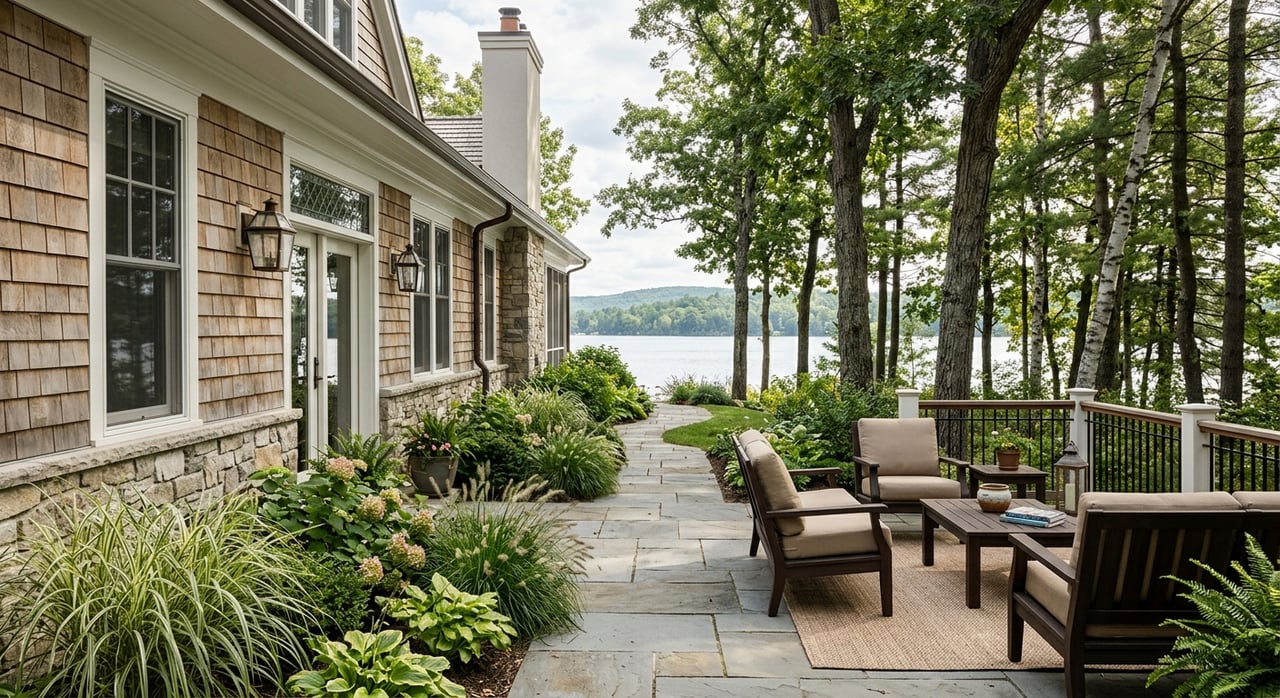
Lincoln Park is about walkability, restaurants, lakefront access, and dense amenities. If you want short errands, frequent nights out, and fewer car miles, it fits well. The North Shore offers larger interiors, private yards, quieter streets, and community recreation. If you want space for gatherings, outdoor play, and a school-centered rhythm, it often wins. Think about where you spend your weekends and which environment supports that best.
A practical decision framework
Use this step-by-step approach to move from browsing to clarity.
1) Rank your must-haves
- Commute: your exact door-to-desk time at peak hour.
- Budget: your all-in monthly carry target, not just P&I.
- Space: beds, baths, and layout for long-term needs.
- Schools: public, private, or a mix. Confirm boundaries before you shop.
- Lifestyle: walkable nights out or private yard time on weekends.
2) Build two side-by-side budgets
Create best, base, and conservative scenarios for each property you like. Include:
- Mortgage P&I using a real lender quote. You can reference averages on Freddie Mac and then price your loan with your lender.
- Property taxes from the last two to three bills. County trend context is available here.
- HOA for condos or a 1%–3% annual maintenance reserve for houses. For condos, request HOA P&L, reserve study, and meeting minutes to spot any planned assessments. A primer on special-assessment risk is here.
- Insurance and typical utilities.
3) Ask your agent for the right documents
- Condos: monthly dues, last 3 years of HOA financials, current reserves, special-assessment history, parking fees, rental policies.
- Houses: last 3 years of tax bills, major repair dates (roof, HVAC, water heater), typical utility costs, and any local fees.
- Both: true comparables by product type and town, days on market, and any recent seller concessions.
4) Test the lived experience
- Commute both options at peak hour, twice.
- Visit at different times of day and week to feel noise, traffic, and parking.
- Map your weekly errands. If you live in Lincoln Park, what becomes easier? If you live in Wilmette or Evanston, what changes?
- Picture five years ahead. Do you want more yard and a mudroom, or are walkable parks and cafes the priority?
Quick rules of thumb
- If you want top walkability, a shorter transit commute, and minimal exterior maintenance, a Lincoln Park condo can be the efficient choice. Just verify HOA health, reserves, and any planned projects.
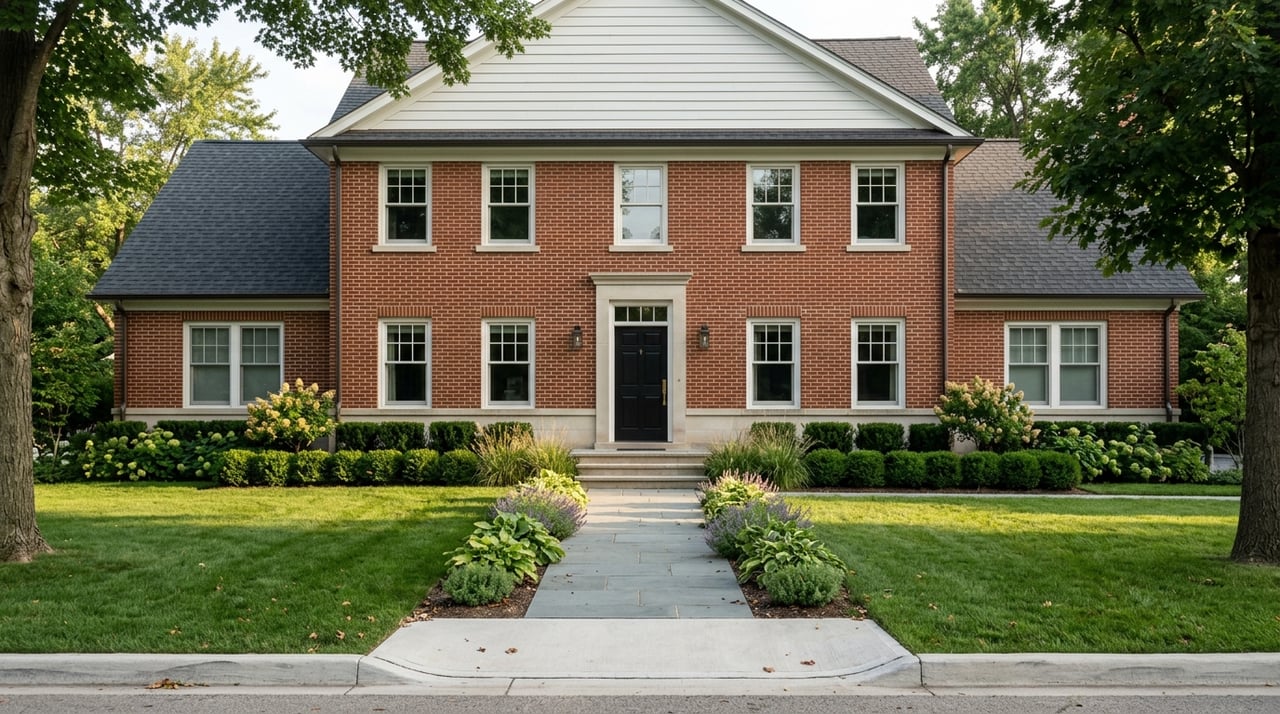
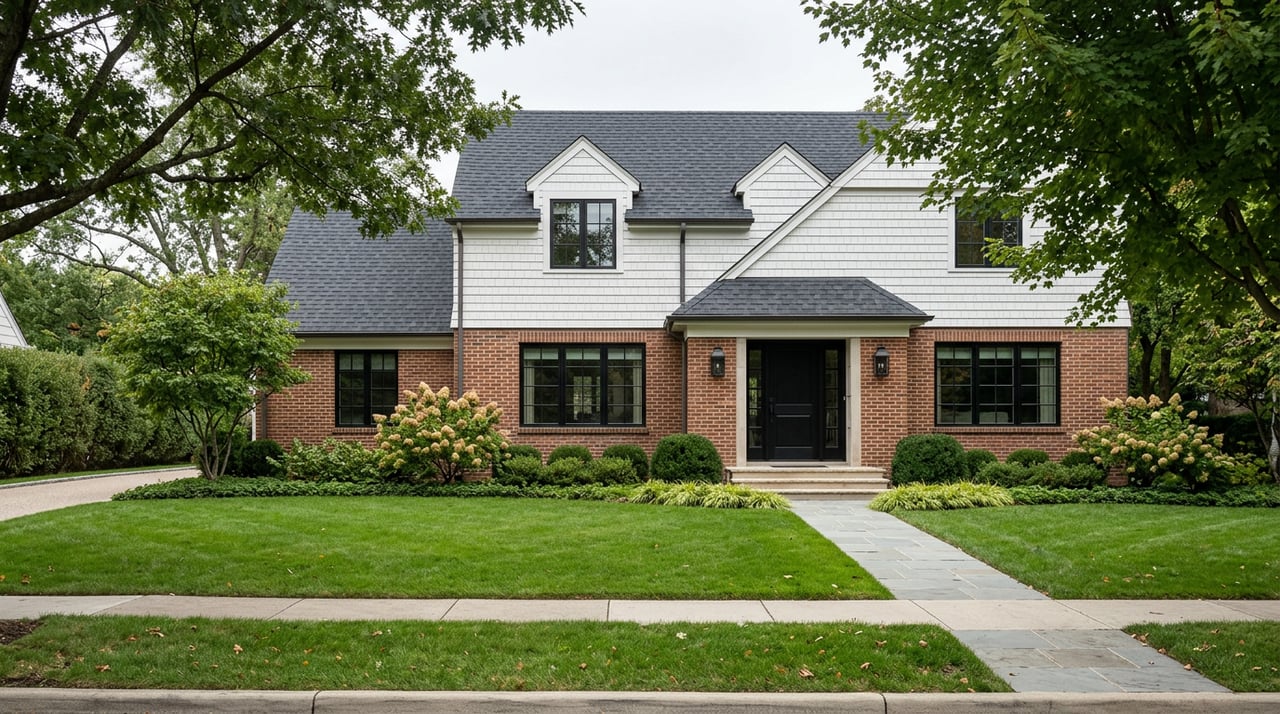
- If you want private space, larger interiors, and strong suburban public school options, a North Shore single-family home often fits. Budget for higher property taxes, utilities, and ongoing maintenance, and plan for a longer or rail-based commute.
Ready to compare in person?
If you are weighing city energy against North Shore space, you do not have to decide alone. Our team lives and works on the North Shore and advises clients across both markets. We can run tailored monthly carry scenarios, line up building and HOA reviews, and map side-by-side town comparisons so you can choose with clarity. To start a private, low-pressure conversation, connect with Jody Dickstein for a one-on-one consultation.
FAQs
What costs differ most between a Lincoln Park condo and a North Shore house?
- Taxes, maintenance, and assessments drive the biggest gaps. Condos shift exterior work to the HOA, while houses require a yearly maintenance reserve and often carry higher tax bills.
How can I estimate property taxes before I bid on a home?
- Use a county effective-rate summary for a rough estimate, then pull the last two to three tax bills for the specific address to verify. You can review Cook County trends on the county tax summary page.
Are special assessments a common risk with condos?
- They occur when big projects arise and reserves are not enough. Read the HOA reserve study, financials, and meeting minutes to spot potential assessments and timing.
What is a smart maintenance budget for a single-family home?
- Plan for 1%–3% of the home’s value per year, using the low end for newer homes and more for older or larger properties. Condos still need interior upkeep and HO-6 insurance.
Is a North Shore commute to downtown manageable?
- Yes, many owners rely on Metra’s Union Pacific North line into Ogilvie. Door-to-door times often run 30–60 minutes depending on station, schedule, and last-mile timing. Always test your specific route at rush hour.