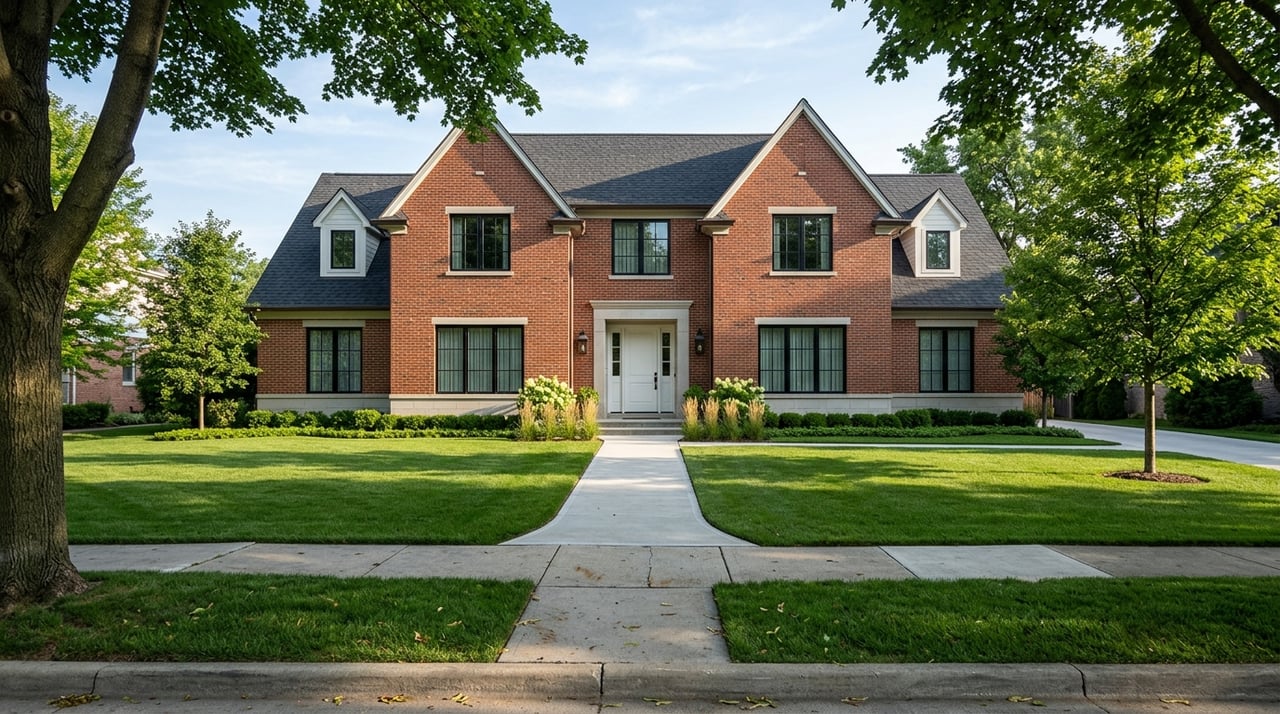
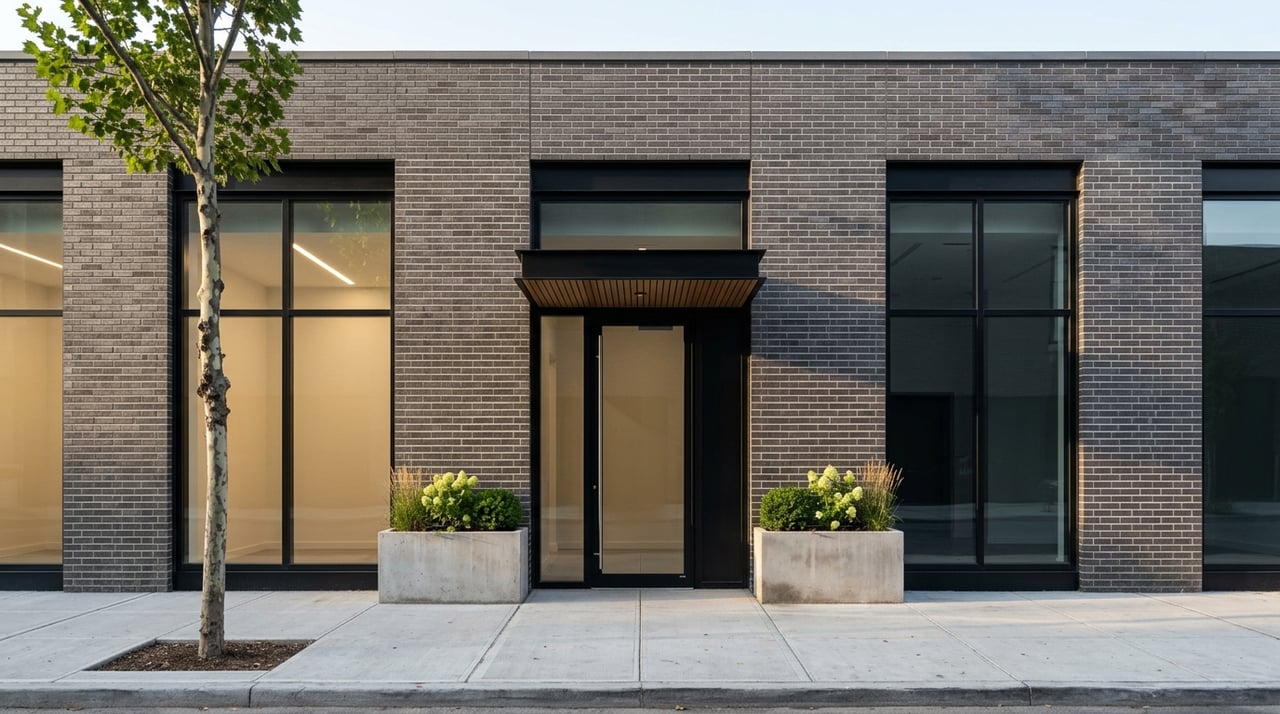
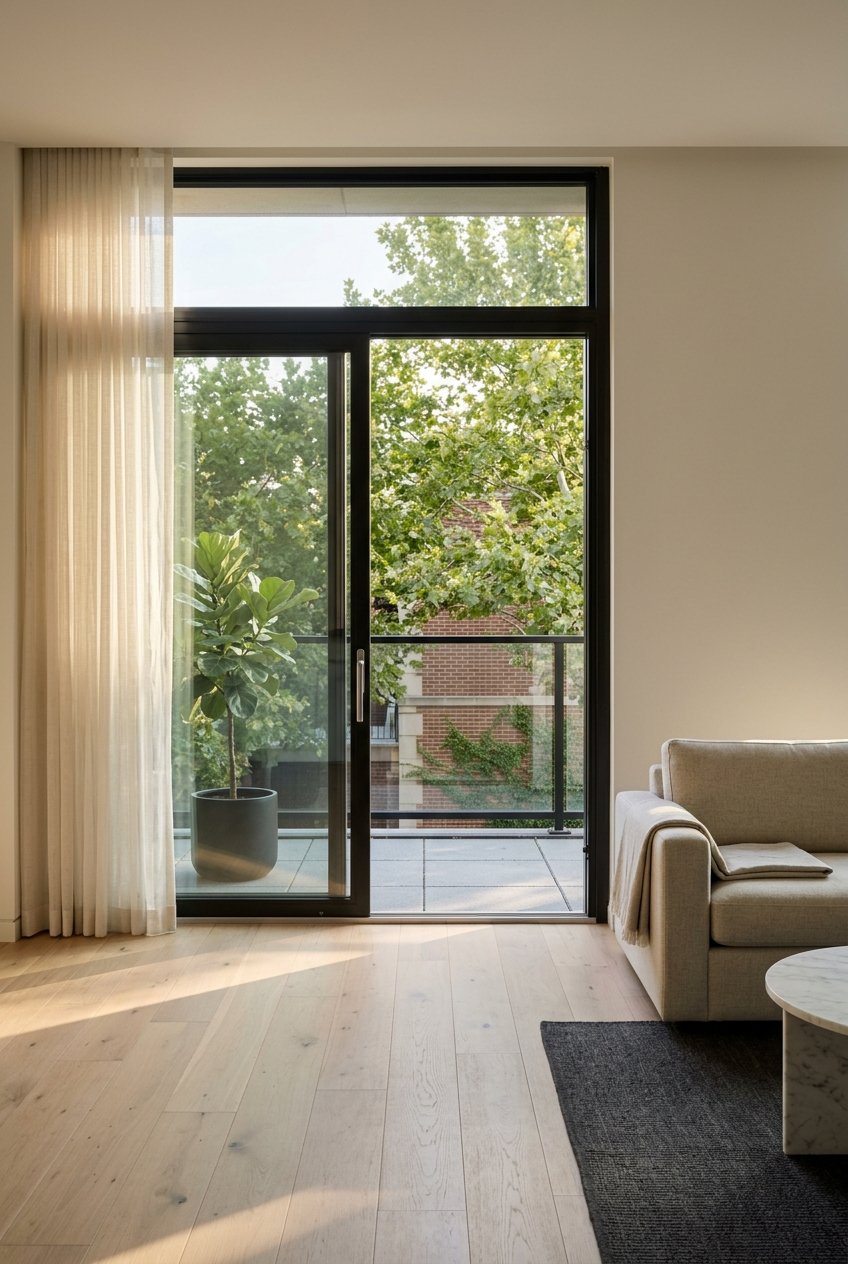
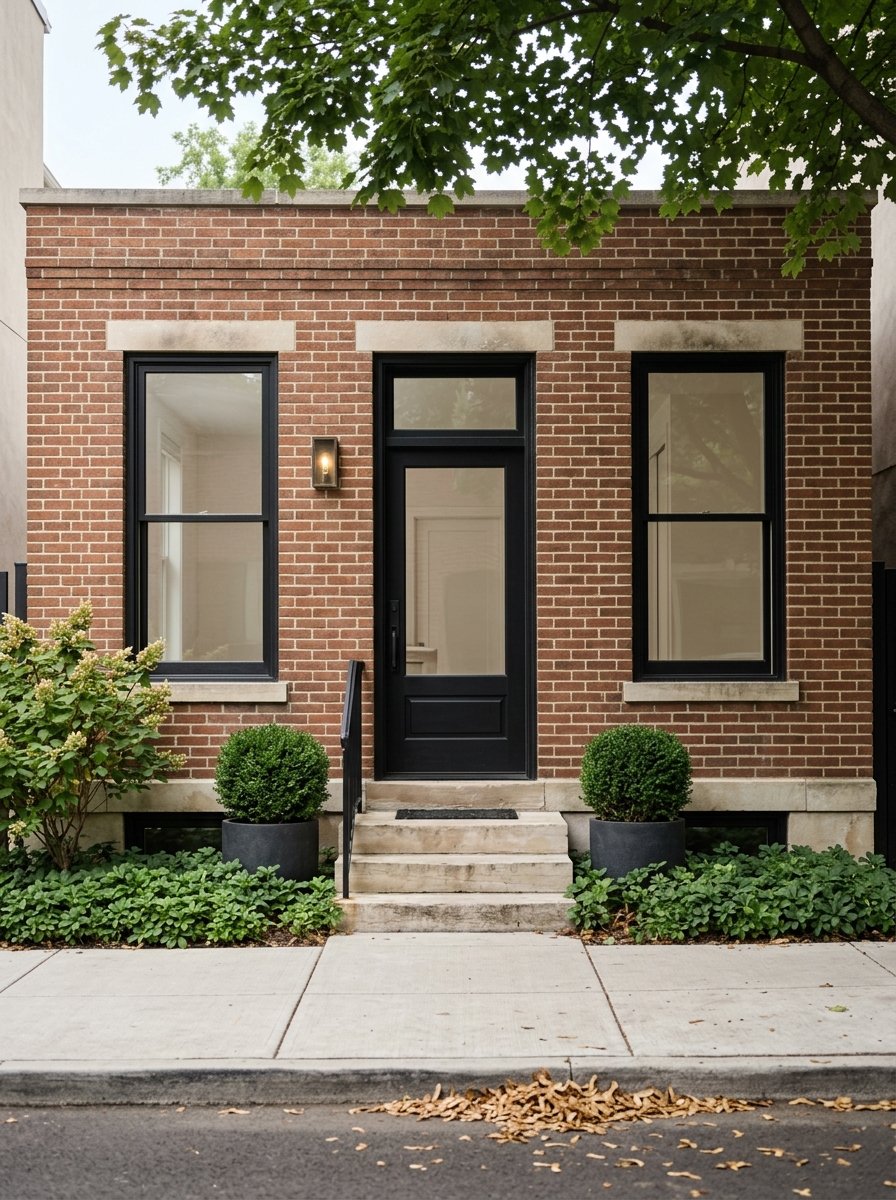
Buying a luxury home in Winnetka can feel simple on the surface, but the details matter fast once you move from browsing to writing an offer. If you are considering an older estate, a lake-adjacent property, or a home you may want to renovate, you need more than a standard home search plan. This checklist will help you focus on the steps that matter most in Winnetka, from financing and attorney review to inspections, permits, floodplain questions, and day-to-day lifestyle factors. Let’s dive in.
Start With Your Buying Team
In Winnetka, your purchase team should be in place before you submit an offer. The Illinois State Bar Association home buying guide recommends bringing in a real estate attorney at the outset, or at minimum making sure your offer includes an attorney approval and modification contingency with enough business days for review.
You will also want written loan pre-approval before you compete for a luxury home. ISBA recommends understanding your loan costs, rate-lock timing, escrow requirements, and whether your lender can meet the contract closing date. In a higher-price purchase, those details can affect both your negotiating position and your ability to close smoothly.
Your Core Team Checklist
- Real estate attorney lined up before offer submission
- Written loan pre-approval in hand
- Clear plan for earnest money and timing
- Review of likely closing date and possession date needs
- Strategy for inspection timing and contingencies
Confirm the Contract Covers Key Terms
Luxury buyers often move quickly when the right property appears, but the contract still needs to be precise. According to ISBA, the purchase contract should clearly address earnest money, financing terms, the closing date, possession date, tax prorations, inspection rights, and any contingencies.
This is also the stage where title and survey review begin to matter. Your attorney should review the title commitment before closing for easements, restrictions, liens, and other recorded matters. A pre-closing inspection is also part of a careful purchase process, even after earlier due diligence is complete.
Build Inspections Into the Offer
In Winnetka, inspections are not a box to check at the end. They should be part of your plan before you write the offer, especially if you are considering an older home or a property with a basement, fireplace, or past updates.
ISBA notes that Illinois seller disclosures can identify issues such as flooding, recurring basement or crawl-space leakage, roof defects, and chimney concerns, but those disclosures do not replace an independent inspection. You should line up your own inspector in advance and be prepared to add specialized inspections where appropriate.
Inspection Items to Prioritize
- General home inspection
- Roof and chimney review if needed
- Heating system inspection when appropriate
- Pest inspection if conditions warrant
- Environmental testing based on the home’s age or condition
Check Lead and Radon Requirements
If the home was built before 1978, federal lead-based paint disclosure rules apply. The EPA lead disclosure guidance states that buyers generally have a 10-day lead inspection window unless the parties change that in writing.
Radon is another important item to verify. The EPA home buyer radon guide says testing should be done in the lowest level of the home that could be used regularly, and short-term tests should run for at least 48 hours. EPA recommends action when radon levels are 4 pCi/L or higher.
If the seller shares a prior radon test, do not assume it answers everything. Check whether the test was recent, whether the lower level you plan to use was actually tested, and whether the home has changed since the test was performed.
Review Permit History Early
For many Winnetka luxury buyers, future plans matter almost as much as the home itself. You may love a property as-is, but still want to finish a basement, replace windows, update outdoor spaces, or rework landscaping. That makes permit history and future permit requirements worth reviewing before you finalize the purchase.
The Village of Winnetka states that permits are required for most construction and repair activity, including additions, HVAC replacements, basement finishes, roof replacement, foundation repair, grading, impermeable surfaces, sewer work, floodplain work, and tree removal. You can review the Village’s building permit applications and work requiring permits to understand the scope.
A certificate of occupancy is also required before a structure can be used or occupied after permit work is completed under the Winnetka municipal code. For buyers looking at recently renovated homes, that is an important detail to confirm.
Remodel Questions to Ask Before Closing
- Were past additions or renovations completed with permits?
- Was a certificate of occupancy required and issued after completed work?
- Are there open permits or unresolved municipal issues?
- Will your future plans involve grading, new hardscape, or retaining walls?
- Will any tree removal be needed for your plans?
Understand New Code and Site Rules
Winnetka reviews permits under the 2024 Illinois Energy Conservation Code and local amendments, effective January 1, 2026. Some in-kind window replacement and siding repair may be permit-exempt, but window energy-efficiency requirements still apply.
Site work can trigger rules too. Winnetka requires a permit to remove trees 8 inches or more in diameter at breast height, and replacement trees may be required under the Village’s forestry regulations. Retaining walls 48 inches or taller must be designed by an Illinois-licensed engineer or architect, according to the Village permit guidance.
For buyers considering a major outdoor redesign, those details should be part of your due diligence, not a surprise after closing.
Treat Floodplain Questions Seriously
Floodplain status should be confirmed early, especially for low-lying or lake-adjacent properties. Winnetka participates in the National Flood Insurance Program, and the Village notes that standard property insurance does not cover flood damage in its flood insurance information.
That page also notes that flood insurance can carry a 30-day waiting period. If the property may require coverage, waiting until the final days before closing can create unnecessary risk.
The Village’s floodplain information explains that homes with federally backed mortgages in the 100-year floodplain must obtain flood insurance. It also explains that work in the floodplain, or within 100 feet of the base flood elevation, can require permits, compensatory storage, and sometimes a certified topographic survey.
Floodplain Due Diligence Checklist
- Verify whether the property is in the 100-year floodplain
- Confirm whether flood insurance will be required
- Ask about any past flooding or basement water issues
- Review whether planned improvements may trigger floodplain rules
- Confirm insurance timing well before closing
Ask Extra Questions on Lakefront Lots
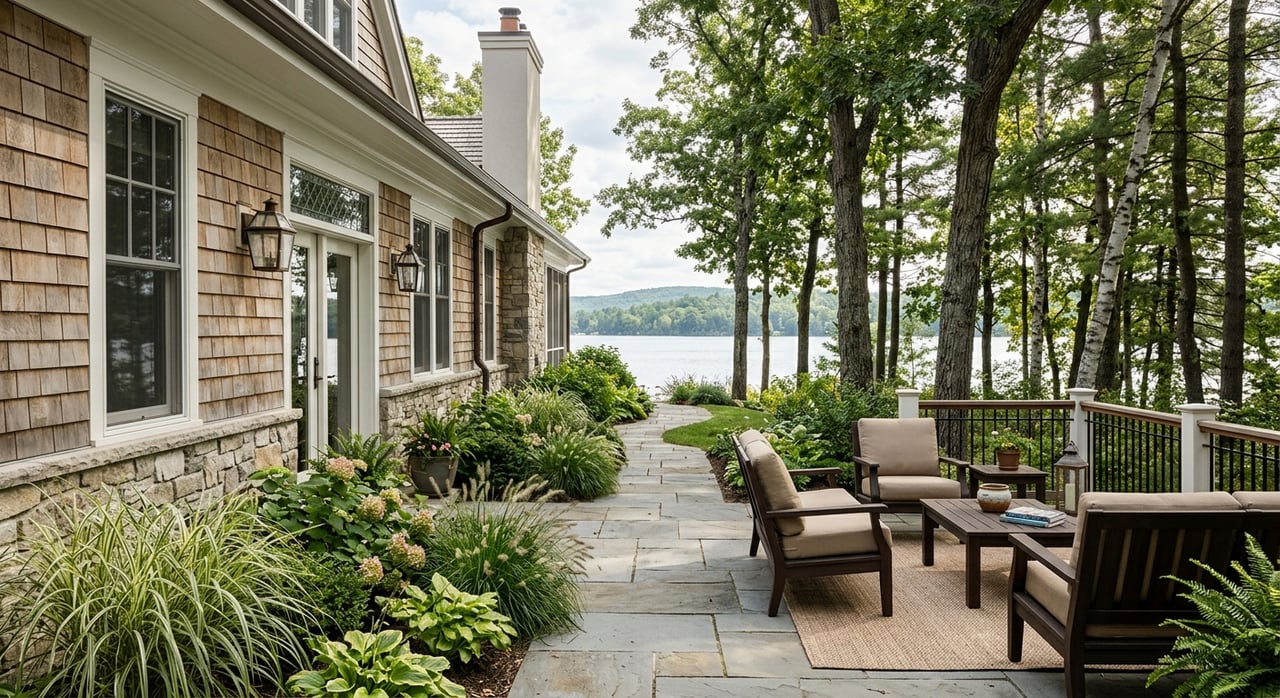
Lakefront properties often come with a different level of review. In 2024, Winnetka adopted steep-slope regulations for certain lakefront conditions. The Village’s steep-slope permit requirements explain that development in the slope-impact area is reviewed for issues such as soil mechanics, hydrology, geology, environmental design, and structural or coastal engineering.
In practical terms, this means your future plans may be shaped by more than aesthetics and budget. Landscaping, grading, patios, additions, and retaining walls can become permit questions quickly on these sites. If you are buying for both current enjoyment and long-term customization, this is one of the most important parts of your checklist.
Weigh Commute and Daily Logistics
Luxury home buying is also about how the property works for your life. In Winnetka, commute access and school logistics can influence both your day-to-day routine and long-term resale appeal.
On Metra’s UP-N line, Winnetka has access to multiple nearby stations, including Indian Hill, Winnetka, and Hubbard Woods. Metra’s UP-N line information lists the Winnetka station as accessible with 255 parking spaces, while Hubbard Woods is not accessible and has 163 spaces. Metra also recommends using its nearby-station planner to match a specific address to the best station.
If you expect regular downtown travel, station convenience is worth checking during your search. A beautiful home can feel very different once you factor in parking, access, and your actual weekly commute pattern.
Review School Logistics Factually
If school enrollment is part of your planning, make time to verify logistics directly. Winnetka School District 36 serves K-8 students through five schools and had 1,777 students in grades K-8 in 2025-2026. New-student registration requires proof of Winnetka residency, such as a real estate tax bill, mortgage documents, or an agreement of sale.
District 36 also notes that transportation is optional, parent-paid, and partially Board-subsidized through North Shore Transit, and after-school care is elementary-only with no bus transportation for that program. New Trier Township High School District 203 serves about 4,000 students, with freshmen attending the Northfield Campus and grades 10 through 12 attending the Winnetka Campus.
These are practical details, not minor ones. They can shape how a location works for your household and how future buyers may evaluate the same property.
Use One Checklist, Not Five
The biggest mistake luxury buyers make in Winnetka is treating financing, inspections, permits, floodplain review, and lifestyle planning as separate tracks. In reality, they work together. The home that feels perfect on day one may deserve a closer look if you plan to renovate, need a certain commute setup, or are considering a lot near the lake.
A clear, organized checklist helps you move with confidence and ask smarter questions before you are under pressure. If you want a private, highly guided buying experience in Winnetka or elsewhere on the North Shore, Jody Dickstein offers boutique, hands-on representation designed to help you evaluate not just the home, but the long-term fit.
FAQs
What should luxury buyers in Winnetka do before writing an offer?
- Have your real estate attorney and lender in place, secure written pre-approval, and make sure the offer covers inspection, financing, and attorney review contingencies.
What inspections matter most for older Winnetka homes?
- A general home inspection is essential, and depending on the property, you may also want roof, chimney, heating, pest, lead, radon, or other specialized inspections.
What permit issues should Winnetka buyers check before closing?
- Review whether past work was properly permitted, whether a certificate of occupancy was required after completed permit work, and whether your future plans could trigger permits for grading, trees, walls, or renovations.
What should buyers know about flood insurance in Winnetka?
- Standard property insurance does not cover flood damage, some homes in the 100-year floodplain may require flood insurance, and coverage can involve a 30-day waiting period.
What should buyers know about lakefront property rules in Winnetka?
- Lakefront and steep-slope properties may face added review for future work involving grading, patios, retaining walls, additions, and other site changes.
What commute and school details should Winnetka buyers verify?
- Confirm which Metra station best serves the property, review parking and accessibility details, and verify District 36 or District 203 logistics directly if enrollment or transportation is part of your planning.